Category: Careers & Opportunities

  • How to Apply for a CSCS card in the UK?

    How to Apply for a CSCS card in the UK?

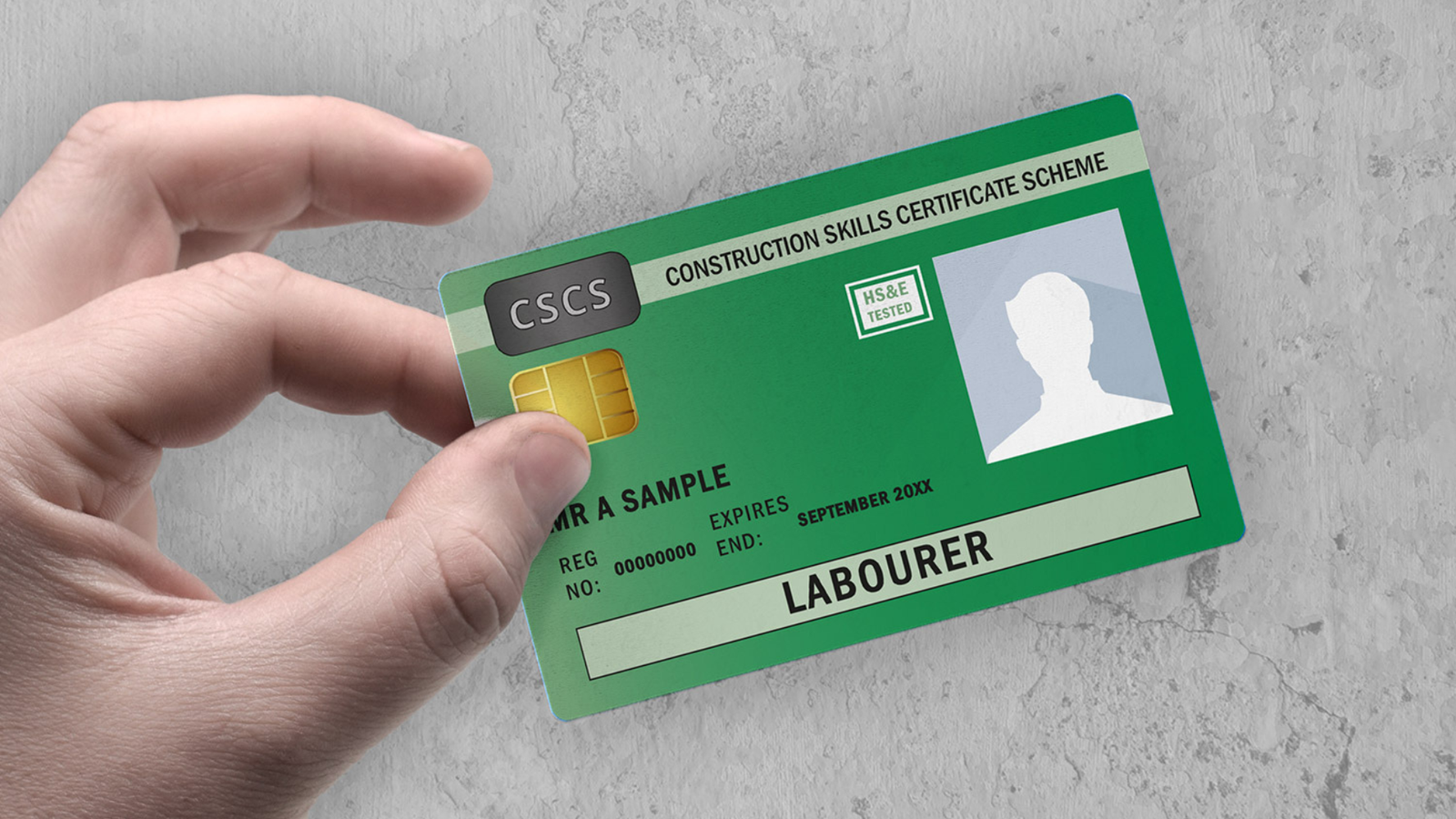
    The Construction Skills Certification Scheme (CSCS) card is proof that you’re qualified and safe to work on UK construction sites. While the process to apply for a CSCS card in the Uk is not a legal requirement, most employers ask for it to make sure you understand health and safety rules and are trained for your job role. The card proves to employers that you’re properly qualified, and have the skills and knowledge to work in the industry.

    In this content, we will break down all you need to know about how to apply the CSCS card in the UK. Lets get right into it!

    What are the Types of CSCS Cards?

    There are different types of CSCS cards. You have to know which one you need before you start your application process. Below are the types of CSCS cards and what you need to apply for each one: 

    Labourer card
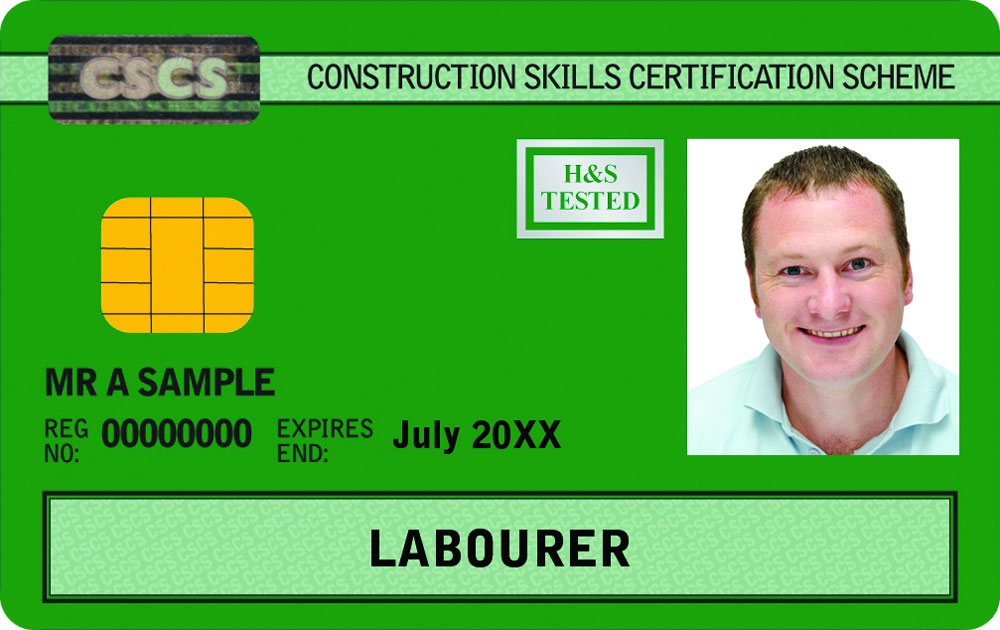
    Labourer card

    This card is for entry-level workers on a construction site. When applying for a labourer card, you must upload a copy of a completion certificate for one of the following:

    • RQF Level 1 Award in Health and Safety in a Construction Environment.
    • SCQF Level 4 Award in Health and Safety in a Construction Environment.
    • SCQF Level 5 REHIS Elementary Health and Safety Certificate.
    • NOCN/CSkills Awards Construction Health and Safety (F/618/0738) unit.
    • A CSCS approved alternative qualification.

    The card is valid for 5 years, after which you must have to renew it. 

    Read: Unilag Cut Off Mark for All Courses

    Apprentice card (issued free of charge)
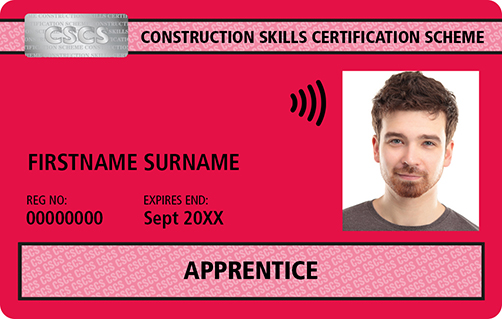
    Apprentice card (issued free of charge)

    This card is for those who’ve registered for an official apprenticeship (you’ll need to prove it’s a valid scheme). It is valid for 4 years and 6 months (not renewable). When applying,you must upload a completed Enrolment Evidence Form confirming that you are registered onto an apprenticeship, including which qualification(s) with full titles and pathways you are registered for. 

    The Enrolment Evidence Form can be downloaded here.

    You can also find a list of the CSCS Approved Apprenticeship Standards here

    Experienced Technical, Supervisory or Management card
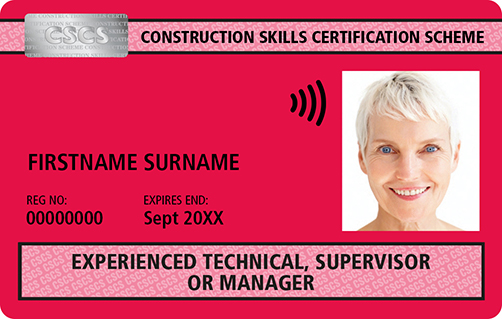
    Experienced Technical, Supervisory or Management card

    This temporary card is ideal if you’re not a member of a professional body, as it’ll tide you over while you take a relevant NVQ. The card is valid for 3 years (not renewable). When applying, you are to upload one of the following:

    1. Letter or email from your Training Provider or Awarding Organisation confirming registration onto a relevant construction related NVQ or SVQ which includes:

    • Your Name
    • Qualification level and title of the NVQ or SVQ you are registered to
    • Date of registration (must be within the last 2 years

    2. A screenshot from your Awarding Organisation’s online portal showing registration onto a relevant construction related NVQ or SVQ which includes:

    • Your Name
    • Qualification level and title of the NVQ or SVQ you are registered to
    • Date of registration (must be within the last 2 years)

    Experienced Worker card
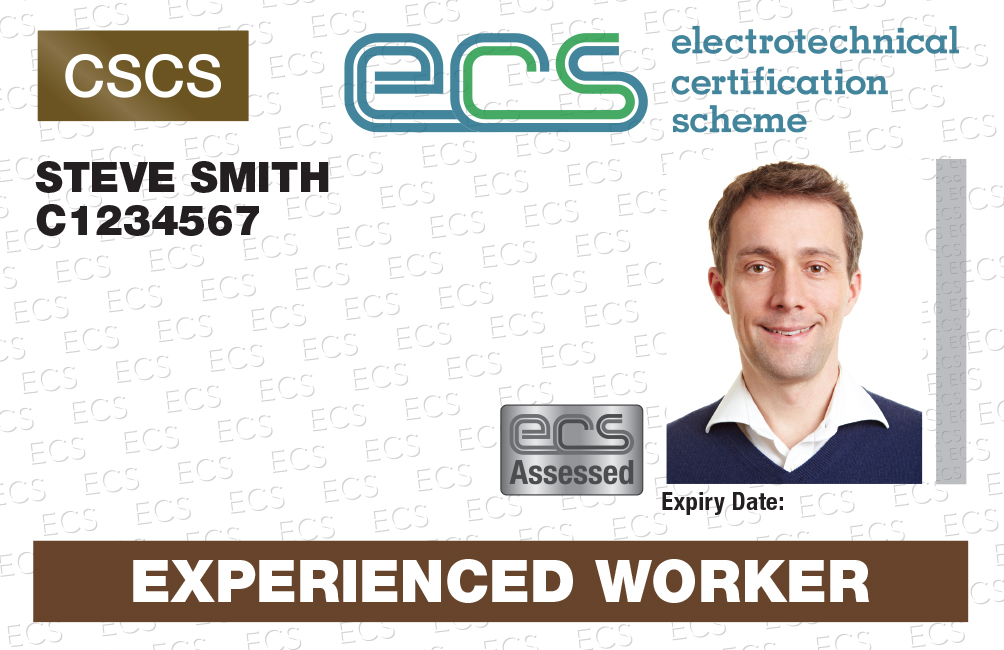
    Experienced Worker card

    If you’re studying for a CSCS recognised NVQ/SVQ qualification and have at least one year’s work experience in a construction-related job, this card is for you. The card is valid for one year and unlike most of the others, it is not renewable.

    When applying, you must upload one of the following:

    1. Letter or email from your Training Provider or Awarding Organisation confirming registration onto a relevant construction related NVQ or SVQ which includes:

    • Your Name
    • Qualification level and title of the NVQ or SVQ you are registered to
    • Date of registration (must be within the last 2 years)

    2. A screenshot from your Awarding Organisation’s online portal showing registration onto a relevant construction related NVQ or SVQ which includes:

    • Your Name
    • Qualification level and title of the NVQ or SVQ you are registered to
    • Date of registration (must be within the last 2 years)

    Trainee card
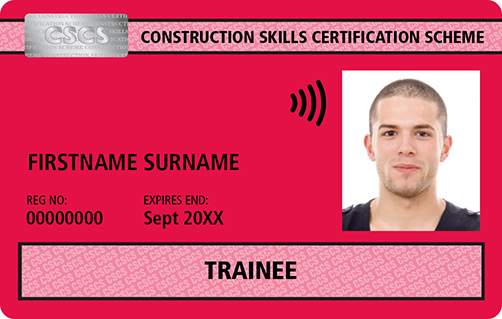
    Trainee card

    If you’re just starting your construction industry experience, then this is the card you need. You’ll need to pass the essential health and safety knowledge test, and be enrolled on a training course. This card is also valid for five years and is also not renewable.

    If you are registered for a construction related NVQ or SVQ you will upload one of the following:

    • Letter from your Training Provider or Awarding Organisation.
    • Email from your Training Provider or Awarding Organisation.
    • Screenshot from your Awarding Organisation’s online portal.

    Which includes:

    • Your name.
    • Qualification level and title of the NVQ or SVQ you are registered to.
    • Date of registration (must be within the last 2 years).

    If you are registered for a Degree/HNC/HND/other comparable academic qualification, you will upload one of the following:

    • Letter from your University
    • Email from your University
    • Screenshot from your University’s online portal

    Which includes:

    • Your name
    • Title and level of the qualification you are registered to
    • Date of registration

    If you hold membership with a Professional Body, you will upload one of the following:

    • Membership certificate.
    • Membership card (both sides).
    • Receipt of payment.
    • Screenshot from your Professional Body’s online portal/directory.

    Which includes:

    • Your name.
    • Professional body name.
    • Your membership level.
    • Your membership number.
    • The date, showing that your membership is for the current calendar year.

    Remember, you can use Card Finder to view accepted comparable qualifications.

    Read: 25 Best Apps for Students │2025 Update

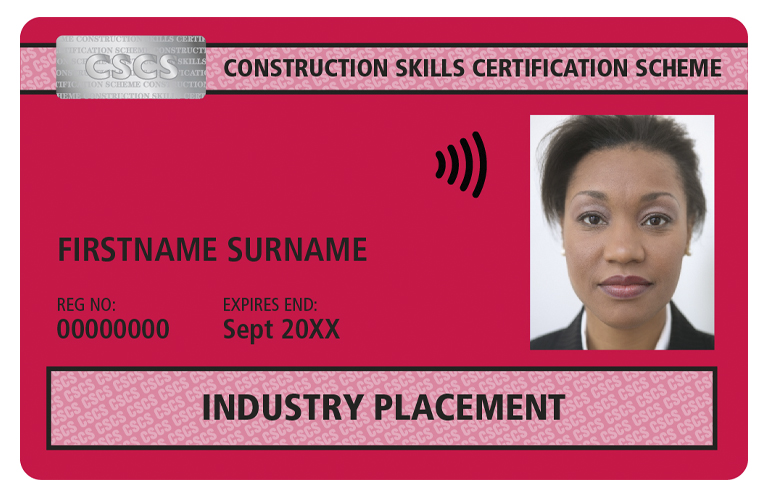
    Industry Placement card
    How to Apply for a CSCS Card in the UK

    When applying for this card, you should upload:

    A completed Enrolment Evidence Form confirming that you are registered onto a qualification or training programme (such as T-Levels or Trainee Skills Development Programmes) requiring a minimum of 30 days’ work placement.

    Blue Skilled Worker card

    How to Apply for a CSCS Card in the UK

    When applying, you should upload one of the following:

    • A completion certificate, along with any accompanying Certificates of Unit Credit for a construction related NVQ Level 2 or SVQ Level 2.
    • A City and Guilds of London Institute Craft Certificate, along with apprenticeship completion papers if you have any.
    • CSCS Approved Apprenticeship Standard completion certificate, along with your NVQ/SVQ or End Point Assessment completion certificate (where applicable).

    Gold Skilled Worker card

    How to Apply for a CSCS Card in the UK

    When applying for this card, you should upload one of the following:

    • A completion certificate, along with any accompanying Certificates of Unit Credit for a construction related NVQ level 3 or SVQ level 3.
    • City and Guilds of London Institute Advanced Craft Certificate, along with any apprenticeship completion papers if you have any.
    • Approved indentured apprenticeship completion certificate (e.g.NJCBI, BATJIC, SBATC).
    • CSCS Approved Apprenticeship Standard completion certificate along with your NVQ/SVQ or End Point Assessment completion certificate (where applicable).

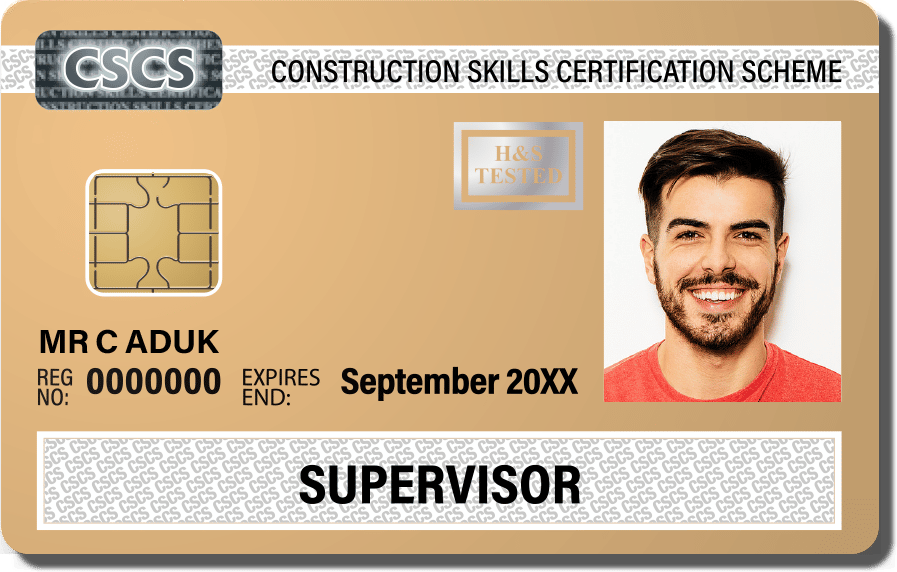
    Supervisor card
    Supervisor Card- How to Apply for a CSCS Card in the UK

    When applying, you should upload the following:

    A completion certificate, along with any accompanying Certificates of Unit Credit for a construction related Supervisory/Technical NVQ or SVQ at Level 3 or 4.

    This card is valid for 5 years and is renewable. 

    Read: WAEC Timetable 2025 | Requirements and Date

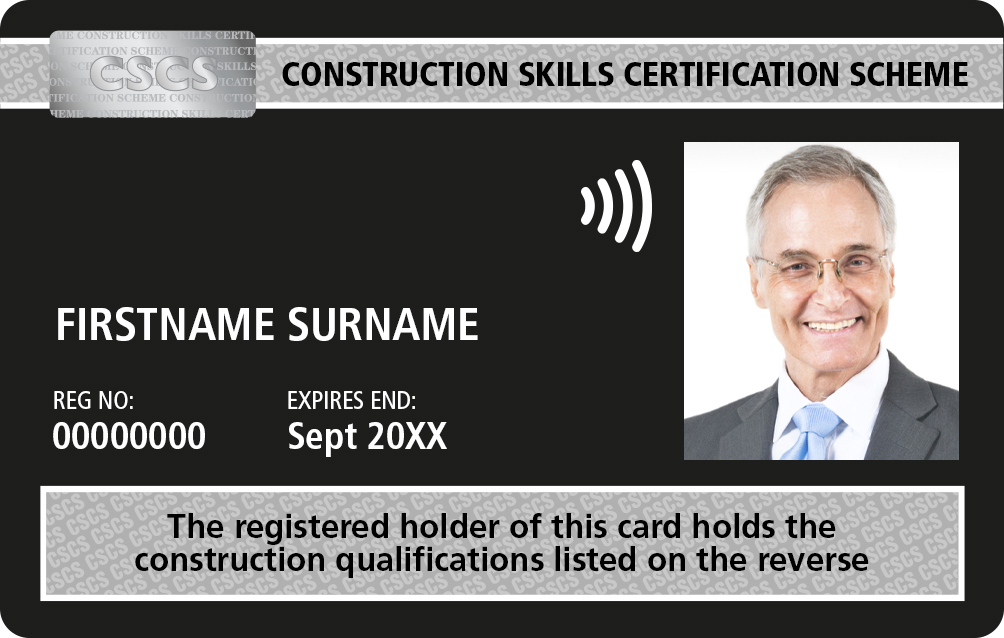
    Manager card
    Manager card

    When applying for this card, you would be required to upload a completion certificate, along with any accompanying Certificates of Unit Credit for a construction related Management NVQ or SVQ at Level 4, 5, 6 or 7.The card is valid for 5 years, amd is renewable. 

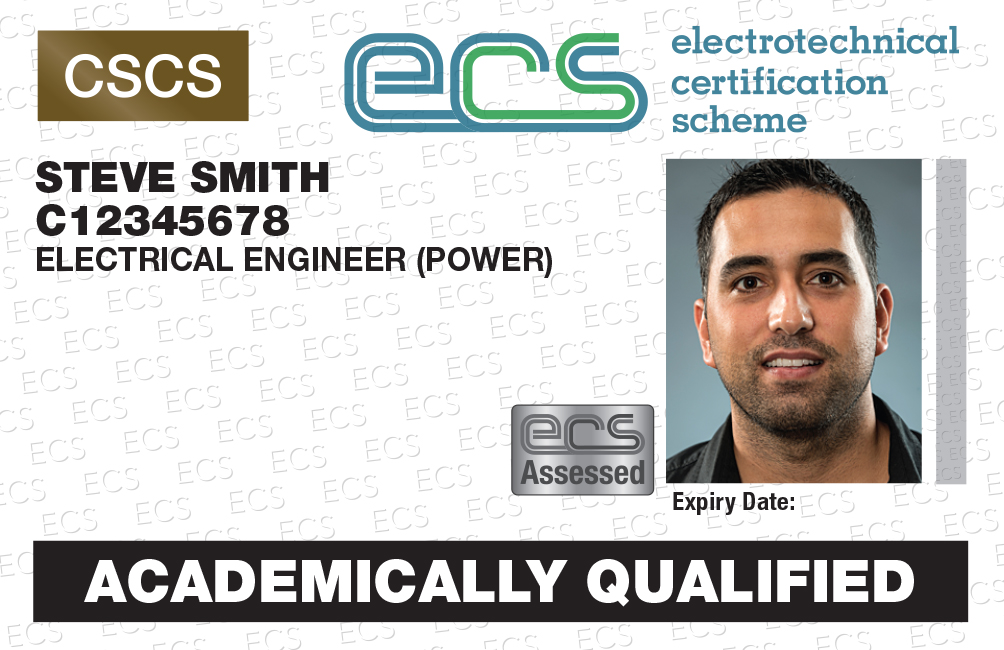
    Academically Qualified Person (AQP) card
    Academically Qualified Person (AQP) card

    When applying, upload a copy of a completion certificate for one of the following: Construction related Degree, HNC, HND or other comparable qualification. You can use the Card Finder to view accepted comparable qualifications.

    Read: 4 Years Science Courses in Nigeria

    Professionally Qualified Person (PQP) card
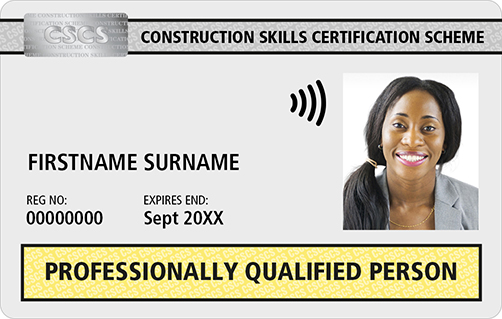
    Professionally Qualified Person (PQP) card

    This card applies if you’re a member of a CSCS-approved professional body, and if you’re required to visit a construction site for your job.

    When applying, the requirement provides that you must upload: 

    • A membership certificate.
    • A membership card (both sides).
    • A letter or email from your professional body.
    • A screenshot from your professional body’s online portal/directory.
    • A receipt of payment for membership.

    Membership evidence supplied must include the professional body name, your membership level, your membership number and must show that your membership is for the current calendar year.

    Provisional (Temporary) card
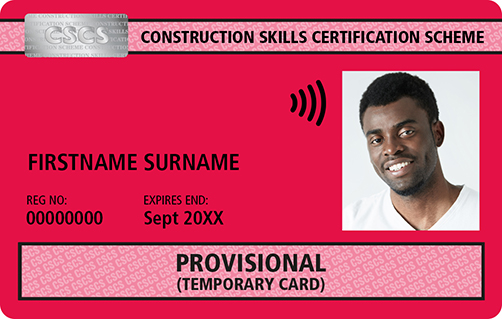
    How to Apply for a CSCS Card in the UK

    This card is for people who have not held a CSCS card before and are working through probationary periods while employers assess their suitability for employment. This card lasts for six months and is not renewable. There is no requirement to upload supporting evidence for this card type.

    Read: How to Write an Undertaking | Step-by-step Guide

    How to Apply for a CSCS card in the UK?

    You can apply for a CSCS card quickly, easily and securely via CSCS Online in the UK. While applying, make sure you apply for CSCS cards using the correct CSCS Online account type.

    Before you begin your application, make sure to: 

    • Use Card Finder to find the right type of card for your construction industry occupation and level of experience. If you don’t hold the correct card for your role on site, you may be refused entry.
    • Have a scanned copy of your qualification certificate, proof of registration to complete a qualification, or proof of professional body membership.
    • Pass the appropriate level of the CITB Health, safety and environment test within the last two years or an approved alternative. Have the CITB test ID number from the top of the pass certificate ready.
    • Have a credit or debit card to pay the £36 application fee. Apprentice cards are issued free of charge.

    Each type of CSCS card has specific requirements and therefore applications must include certain types of evidence before a card can be issued. You can check the list above to verify the type of card you need. 

    Failure to provide the appropriate evidence will result in delays to your application being approved.

    How much does it Cost to Get a CSCS Card?

    To apply for a CSCS card in the UK, you must first know what it costs. All CSCS cards cost £36, except for the free Apprentice card, and payment must be made using a payment card.

    The process is as follows:

    Step 1- Employer, Training Provider or Third Party enters their payment card details

    Step 2- A total amount is pre-authorised on the card – payment is not taken at this time. For example, if the employer applies for 10 cards, £360 is held on the card

    Step 3- Each individual applied for who does not already have a CSCS Online account will have an account created for them as part of the application process and will receive a welcome email with a temporary password.

    Step 4- CSCS will process each application individually. Applications are approved or rejected as per the usual process

    If declined,

    Step 5- If an application is declined, or additional information requested, the employer will be informed of the reason via email.

    Step 6- If all applications are approved, then payment for all applications will be taken. If some applications are approved and some are not, then after 7 days payment will be taken for the approved applications and the unapproved applications will be reverted to draft applications which the employer, training provider or third party can then review and resubmit. No payment will be taken for unapproved applications.

    Step 7- A receipt for each application is available through your online account.

    When your CSCS card expires, it’s easy to renew by logging in to your CSCS Online account.

    CSCS cards can only be renewed six months prior to, and up to six months after, the expiry date printed on the card.

    Provisional, Academically Qualified Person (AQP) and Professionally Qualified Person (PQP) cards cannot be renewed. When AQP and PQP cards expire, holders are required to apply for a brand new card rather than renew an existing one.

    In all cases, you must advise CSCS if you have changed occupation since your existing card was issued.

    You should read: Professional Courses in Nigeria

    What if You Lose your CSCS Card?

    You can go through the hurdle to apply for your CSCS card in the UK and still lose it. In the event that you do, you can:

    • Order a replacement card (£36 fee).
    • Log in to your CSCS account to download a digital version.
    • Use the CSCS Smart Check app for instant verification on-site.

    Receive Your CSCS Card

    After you apply for your CSCS card in the UK and your application is processed and approved, your physical CSCS card will be sent to you by post within 10 working days from the date of approval. The delivery of cards are posted to your registered address. Make sure the address you include is accurate. If there’s an issue or delay, you can call the CSCS helpline to track it.

    You should read: International Relations Courses: A Guide for Nigerian Students

    Common Mistakes to Avoid when Applying for you CSCS Card?

    • Using wrong or expired test results.
    • Uploading unclear or cropped documents.
    • Selecting the wrong card type—double-check with the Card Finder!
    • Missing deadlines if your provisional card is expiring.

    Can Someone Without Formal Education or an Asylum Seeker Apply for a CSCS Card?

    Yes, someone without formal education or an asylum seeker can still apply for a CSCS card in the UK if they meet a few key requirements. Below is a step by step guide:

    Step 1. Confirm Your Right to Work in the UK 

    Ensure you have the legal right to work in the UK. Asylum seekers are generally not permitted to work while their claim is being processed. However, once granted refugee status, humanitarian protection, or discretionary leave, you are allowed to work. 

    People without a formal education would have no problem working in the UK, so far they can confirm they have a right to wok in the UK.

    Step 2. Obtain a National Insurance (NI) Number

    A National Insurance number is essential for working in the UK. 

    Who Needs an NI Number?

    • Anyone who wants to work in the UK (including asylum seekers who have been granted the right to work).
    • Anyone who is self-employed, receiving benefits, or paying UK taxes.
    • If you’ve been granted asylum, refugee status, or humanitarian protection, you are typically eligible to apply.

     How to Apply for an NI Number

    The application is done online through the UK government website. Here’s the step-by-step process:

    • Go to the official application page
    • Apply for a National Insurance Number 
    • Check your eligibility
    • You’ll need to show proof that you have the right to work in the UK (for example: your BRP, asylum grant letter, visa, etc.).
    • Start your application
    • Click “Start now” and fill in the online form with your personal details.
    • Upload required documents which usually includes ID (passport or BRP), proof of address, and proof of right to work.
    • You may be asked to attend an interview or video call if more checks are needed.
    • Wait for confirmation. After you apply you’ll get an email with your application reference number. The email will tell you if you need to provide further proof of your identity.
    • It can take up to 4 weeks to get your National Insurance number after you’ve proved your identity
    • If approved, you’ll get your NI number by post.

    Even if you don’t have an NI number yet, you can start working as long as you prove your right to work and have applied for it. Just let your employer know.

    Read: Mass Communication Courses

    Step 3. Complete the Level 1 Health and Safety in a Construction Environment Course 

    This course provides fundamental knowledge of health and safety practices on construction sitesIt’s a requirement for obtaining the CSCS Green Labourer Card. Several accredited providers offer this course

    Step 4. Book and Pass the CITB Health, Safety and Environment (HS&E) Test 

    This test assesses your understanding of health, safety, and environmental issues in construction. It’s mandatory for all CSCS card applicants

    You can book the test through the CITB website link. The test costs £22.50 and consists of 50 multiple-choice questions. You can find revision materials on the CITB website.

    Step 5. Apply for the CSCS Green Labourer Card 

    Once you’ve completed the course and passed the HS&E test, you can apply for the CSCS Green Labourer Card. The application fee is £36. You’ll need to provide proof of your qualification and HS&E test pass.

    You should read: Best Scholarships for Twins

    Conclusion

    To successfully apply for a CSCS Card in the UK, and get it with ease, all you have to do is to figure out which of the cards you need, check to ensure you meet the specified requirements and then just apply. Get started today!
    References

    Recommendations

  • Professional Courses in Nigeria

    Professional Courses in Nigeria

    Find legit details about professional courses in Nigeria in this article. Explore top courses in business administration, accounting, computer science, art, and more. Learn about fees, application tips, online options, and career prospects to boost your future.

    Have you ever asked yourself, “What professional coursesin Nigeria can guarantee me a high-paying job?” or “How can I stand out in Nigeria’s highly competitive job market?” If you are a student, graduate, or working professional, chances are you have pondered these questions. The truth is, these subjects offer a strategic pathway to acquire specialized skills and certifications that employers highly value.

    With Nigeria’s economy evolving rapidly, industries such as finance, technology, security, and creative arts demand professionals with practical knowledge beyond traditional degrees. But which courses should you pursue? How much do they cost? Where can you study them? And how do you apply successfully?

    This article will answer all these questions and more, guiding you through the top 20 professional courses in Nigeria, their fees, application processes, and tips to maximize your success. Whether you want to enroll in professional courses in business administration, accounting, computer science, or art departments, this comprehensive guide is your go-to resource.

    Let’s dive in and explore the world of professional courses in Nigeria that can transform your career.

    Read Also -Earn $100K From Home: 8 High-Paying Remote Jobs

    What Are Professional Courses in Nigeria?

    These subjects are specialized training programs designed to equip individuals with practical skills and certifications recognized by industries and regulatory bodies. Unlike traditional academic degrees, these courses focus on applied knowledge, preparing students for specific careers.

    These courses range from accounting certifications like ICAN, project management certifications such as PMP, to vocational training in security or health and safety. They can be short-term or long-term, online or on-campus, and often lead to internationally recognized qualifications.

    Understanding the scope and benefits of these subjects in Nigeria is crucial for making the right choice. For instance, a certified accountant from ICAN can command higher salaries and better job positions than a non-certified graduate. Similarly, professionals with certifications in business administration or computer science gain a competitive edge in the job market.

    Why Should You Enroll in Professional Courses in Nigeria?

    • Enhanced Employability: Employers prefer candidates with professional certifications as they demonstrate expertise and commitment.
    • Higher Salary Prospects: Certified professionals often earn significantly more than their uncertified counterparts.
    • Career Advancement: Many top management and specialized roles require professional qualifications.
    • Practical Skills: These courses focus on real-world applications, making you job-ready.
    • Networking Opportunities: Professional bodies offer platforms to connect with industry leaders and peers.

    For example, the Chartered Institute of Personnel Management (CIPM) Nigeria reports that certified HR professionals earn up to 30% more than non-certified ones. Similarly, ICAN-certified accountants are highly sought after in Nigeria’s banking and financial sectors.

    List of Professional Courses in Nigeria and Their Fees

    Below is a detailed list of some of the most sought-after high-profile courses in Nigeria, including their typical fees and duration.

    Course NameInstitution/Body
    Duration
    Fees (₦)
    ICAN (Institute of Chartered Accountants)ICAN12-18 months150,000 – 300,000
    CIPM (Chartered Institute of Personnel Mgmt)CIPM6-12 months80,000 – 200,000
    PMP (Project Management Professional)PMI Nigeria Chapter3-6 months250,000
    HSE Level 3 (Health, Safety & Environment)ISPON3 months120,000
    Advanced Professional Certificate in Business AdministrationMSBM UK, Nigeria2 weeks76,050
    Certified Information Security Manager (CISM)ISACA Nigeria6 months180,000
    Certified Digital Marketing ProfessionalDigital Marketing Institute Nigeria3 months90,000
    Chartered Institute of Bankers Nigeria (CIBN)CIBN12 months150,000
    Computer Science Professional CertificationNIIT Nigeria6 months100,000
    Vocational Electrician TrainingSchneider Electric Nigeria3 months50,000
    Chartered Institute of Taxation of Nigeria (CITN)CITN3 months100,000
    Certified Information Security Manager (CISMCISM3 months50,000

    However, please note that fees are approximate and subject to change. Always verify on official websites.

    Professional Courses in Nigerian Universities: What Are Your Options?

    Many Nigerian universities now offer professional courses either as part of their curriculum or as standalone certification programs. These courses are tailored to meet industry standards and are often in partnership with professional bodies.

    Nigerian Universities Offering Professional Courses

    • University of Lagos (UNILAG): Offers professional programs in business administration, accounting, and computer science.
    • Obafemi Awolowo University (OAU): Provides professional training in IT and management.
    • National Open University of Nigeria (NOUN): Known for flexible online professional courses, including project management and HR.
    • Lagos State University (LASU): Offers short professional courses in marketing and finance.

    For more information on professional courses in Nigerian universities, visit NOUN’s Professional Courses or UNILAG’s Centre for Professional and Continuing Education.

    Top 10 Professional Courses in Nigeria: What Are They?

    Based on demand, salary prospects, and industry relevance, here are the top 10 professional courses in Nigeria:

    • ICAN (Accounting)
    • CIPM (Human Resource Management)
    • PMP (Project Management)
    • HSE (Health, Safety & Environment)
    • CIBN (Banking & Finance)
    • Certified Digital Marketing Professional
    • Certified Information Security Manager (CISM)
    • NIIT Computer Science Certifications
    • Chartered Institute of Taxation of Nigeria (CITN)
    • Vocational Technical Courses (Electrician, Plumbing, Welding)

    These courses are not only popular but also lead to lucrative careers with strong job security.

    Professional Courses in Business Administration in Nigeria

    Business administration is a versatile field, and professional courses in this area help you master skills like leadership, strategic planning, and financial management.

    1. Popular Business Administration Courses:
    • Advanced Professional Certificate in Business Administration (MSBM UK)
    • Duration: 2 weeks
    • Fee: ₦76,050
    • CIPM Nigeria: Focuses on HR management, organizational behavior, and labor relations.

    CIPM Official Site

    2. Project Management Professional (PMP): Ideal for managing projects across industries.

    PMI Nigeria

    Professional Courses in Accounting: Boost Your Financial Career

    Accounting remains one of the most lucrative fields in Nigeria. Professional courses in accounting provide you with the expertise to handle complex financial systems.

    Key Accounting Certifications

    • ICAN: The most recognized accounting body in Nigeria.
    • Association of Chartered Certified Accountants (ACCA): Internationally recognized.
    • Certified Management Accountant (CMA): Focuses on financial management and strategy.
    • Fees for ICAN range from ₦150,000 to ₦300,000, depending on the level. Visit ICAN for details.
    Professional Courses in Computer Science

    With Nigeria’s tech ecosystem booming, professional courses in computer science are in high demand.

    Notable Computer Science Courses

    • NIIT Nigeria: Offers certifications in software development, networking, and cybersecurity.
    • NIIT Nigeria
    • Microsoft Certified Professional (MCP): Recognized globally.
    • Certified Information Security Manager (CISM): For cybersecurity professionals.
    Professional Courses in Art Department: Creative Careers in Nigeria

    The creative industry is growing fast, and professional courses in art help artists, designers, and animators develop marketable skills.

    Recommended Courses

    • Graphic Design Certification (Adobe Certified Expert)
    • Animation and Multimedia Courses (Lagos State Polytechnic)
    • Fashion Design and Textile Courses (Yaba College of Technology)
    • Vocational Courses in Nigeria: Practical Skills for Immediate Employment

    Vocational training equips you with hands-on skills in trades such as electrical work, plumbing, welding, and more.

    Popular Vocational Courses

    Electrician Training (Schneider Electric Nigeria)

    • Welding and Fabrication (Nigerian Institute of Welding)
    • Automobile Mechanics: Offered by technical colleges nationwide.
    Online Professional Courses in Nigeria: Learn Anytime, Anywhere

    Online learning has revolutionized education in Nigeria, making professional courses accessible regardless of location.

    Top Online Professional Courses Platforms
    • MSBM UK Nigeria: Offers business, finance, and management courses online.
    • Coursera and Udemy: Global platforms with Nigerian-specific courses.
    • NOUN: Provides professional courses with flexible schedules.
    How to Apply for Professional Courses in Nigeria
    • Identify Your Course: Research courses that align with your career goals.
    • Check Eligibility: Some courses require prior degrees or work experience.
    • Prepare Documents: Academic certificates, identification, and passport photos.
    • Submit Application: Online or in-person via the institution’s portal.
    • Pay Fees: Follow payment instructions carefully.
    • Attend Orientation: Some courses require initial briefings or assessments.
    Successful Tips for Enrolling and Excelling in Professional Courses
    • Start Early: Application deadlines can be strict.
    • Budget Wisely: Factor in fees, materials, and exam costs.
    • Engage Actively: Participate in discussions and practical sessions.
    • Network: Join professional bodies and forums.
    • Utilize Online Resources: Supplement learning with free tutorials and webinars.
    CourseClosing Date
    ICAN RegistrationJune 30, 2025
    CIPM ApplicationAugust 15, 2025
    PMP Exam RegistrationRolling basis
    SE Level 3 EnrollmentISPON
    MSBM Business CoursesQuarterly intakes
    Frequently Asked Questions (FAQs)

    What are the top 10 professional courses in Nigeria?

    ICAN, CIPM, PMP, HSE, CIBN, CISM, Digital Marketing, NIIT Computer Science, CITN, and Vocational Training.

    Which is the best professional course?

    It depends on your career goals. ICAN is best for accounting, CIPM for HR, PMP for project management, and HSE for safety professionals.

    What are the top 20 highest-paid courses in Nigeria?

    Petroleum Engineering, Medicine, Law, ICAN Accounting, CIPM HR, Project Management, Digital Marketing, Software Engineering, Architecture, and more.

    What are the professional courses in Nigeria and their fees?

    Fees range from ₦50,000 for vocational courses to ₦300,000+ for certifications like ICAN and PMP.

    Final Thoughts About Professional Courses in Nigeria

    In Nigeria’s ever-changing job market, professional courses in Nigeria offer a powerful way to gain relevant skills, increase your earning potential, and secure your dream job. Whether you choose business administration, accounting, computer science, or vocational training, the key is to start now. Don’t wait for opportunity to knock- create your own by enrolling in a professional course today. Visit the official websites linked above, compare options, and take the first step toward a brighter future.

    Ready to explore more?

    Check out our curated list of top professional courses in Nigeria and start your application now!

    Apply Now

    References

    Institute of Chartered Accountants of Nigeria (ICAN)

    MSBM UK Nigeria

    Project Management Institute (PMI)

    References

    4 Years Science Courses in Nigeria

    JAMB Registration Date | When Is JAMB Registration Closing for 2025

    International Relations Courses

  • No Experience? Here’s How to Get a Cybersecurity Job – 5 Hacks

    No Experience? Here’s How to Get a Cybersecurity Job – 5 Hacks

    Think you need a computer science degree or years of technical experience to break into cybersecurity? Wrong. This field is different—it’s one of the few high-paying tech roles where raw experience isn’t always required. If you can prove your skills, you’ve got a shot.

    This guide cuts through the noise. We’ll walk you through exactly how to land your first cybersecurity job with zero prior experience—no magic, just a clear path in.

    Can You Get a Cybersecurity Job With No Experience?

    How to Get a Cybersecurity Job

    Yes. No experience? No problem. Many people break into cybersecurity without an IT background—some quicker than expected.

    Why It’s Possible

    Companies Need More Cybersecurity Talent
    Cyber threats keep evolving. Attacks happen daily, targeting businesses of all sizes. Organizations are scrambling to fill security roles, creating opportunities even for newcomers.

    Employers Value Skills Over Degrees

    While a degree is useful, most organizations pay greater attention to skills over education. Even for entry-level jobs like SOC analysts, help desk techs, or IT techs, companies require proven skills over a degree. This provides a chance for many applicants to demonstrate their skills through working projects and certifications.

    Cybersecurity Certifications Are Key

    One of the most concise ways into cyber is through certificates. CompTIA Security+, Google Cybersecurity, etc., are some certifications that can help you prove your skills without years of experience.

    Most Entry-Level Jobs Come with On-the-Job Training

    Employers often offer training and mentorship to those new to the field. Starting in a technical support or network administrator role can lead to a more specialized cybersecurity job once you’ve proven your dedication and ability.

    So, if you’re committed to learning, getting a job in cybersecurity without experience is not only possible, it’s within reach.

    You should read: Top 9 Remote Jobs That Pay Weekly – No Waiting!

    7 Practical Steps to Get Your First Cybersecurity Job

    Steps to get your Cybersecurity Job

    Now that you understand it can be done, how do you actually get your foot in the door? Here’s a step-by-step roadmap for getting into the field:

    Start with Basic IT Knowledge

    You should understand how networks and systems work before diving into cybersecurity. Learn the basics of:

    • Operating systems (Windows, Linux)
    • Networking protocols (TCP/IP, DNS, HTTP)
    • Basic networking concepts (routers, firewalls, VPNs)
    • Free YouTube tutorials and online courses can be a good starting point. Udemy and Coursera also offer affordable courses.

    Read also: Professional Courses in Nigeria

    Obtain Entry-Level Certifications

    Certifications are among the quickest ways to validate your knowledge and make you employable. Start with these:

    • CompTIA Security+: A highly accepted entry-level cert that covers network security, risk management, and cryptography.
    • Google IT Support Professional Certificate: It’s free on some platforms and introduces networking and system administration basics.
    • Certified Ethical Hacker (CEH) (if you’re feeling adventurous): Although it’s more advanced, starting early could be a blessing if you’re technically inclined.

    Certifications show your future employer that you’re dedicated and interested in acquiring core skills.

    Read also: 4 Years Science Courses in Nigeria

    Get Hands-On Experience with Home Labs

    A huge part of cybersecurity is practical skills. You can create your own virtual lab at home using software like VirtualBox or VMware to experiment with:

    • Firewall installations
    • Secure network configuration
    • Software-based penetration testing with tools like Kali Linux or Metasploit

    You can experiment with real-world cybersecurity scenarios on sites like TryHackMe and Hack The Box in a safe environment, which is easier to demonstrate your skills with.

    Build a Cybersecurity Portfolio

    Even with no experience, you can prove your skills:

    • Showcase your home lab projects and obstacles overcome on platforms such as GitHub.
    • Create blog posts or YouTube channels on cybersecurity topics to create your online presence.
    • Participate in capture-the-flag (CTF) competitions to demonstrate your abilities and place the results on the internet.
    • Having a portfolio is an advantage—it shows initiative and hands-on ability.

    Network with Cybersecurity Professionals

    Networking matters in every field—especially cybersecurity. Start by reaching out to professionals on LinkedIn, Twitter, or niche forums like r/cybersecurity. Don’t just lurk—engage. Comment, ask questions, share insights.

    Offline? Hit local meetups or virtual events. Conferences like DEF CON and BSides are goldmines for connections. Many jobs never get posted—they’re filled through word of mouth. A quick chat today could turn into a job lead tomorrow.

    Mentorship works the same way. Find someone whose career path you respect. Ask smart questions. Most people will help if you’re genuine.

    You should read: Earn $100K From Home: 8 High-Paying Remote Jobs (2025)

    Apply for Entry-Level Cybersecurity Jobs

    As you start applying, aim for roles like:

    • SOC Analyst: Monitoring security events and alarms for an organization.
    • Help Desk Technician: Solving IT problems with an emphasis on security.
    • Network Administrator: Securing and managing the network infrastructure.
    • IT Support: Fixing technical problems while learning security protocols.

    Even if a description says experience is required, don’t worry—a lot of employers will train their entry-level candidates.

    You should also check out: Top 9 Remote Jobs That Pay Weekly – No Waiting!

    Prepare for Cybersecurity Interviews

    Once you get interviews lined up, focus on showing your enthusiasm, problem-solving skills, and desire to learn. Prepare to talk about:

    • Your certifications and continuing education.
    • Any home labs or personal projects you’ve set up.
    • Real-world cybersecurity challenges and solutions you’ve resolved.

    Employers are more concerned about attitude and upside than a carefully crafted resume.

    Pro Tip: Cybersecurity is an ongoing learning process. Be prepared to be current on new trends, updates, and tools in the field. Reading blogs, listening to podcasts, or joining professional communities, you’ll be informed and more marketable, and your contributions will be that much greater.

    Read also: 24 Amazing Remote Jobs at $30/Hour With No Degree Required

    Best Entry-Level Cybersecurity Jobs for Beginners

    Entry-level cyber security jobs

    Breaking into cybersecurity doesn’t always require experience. Many entry-level roles exist that need little background but provide solid training and career growth. These positions let you build skills while getting paid.

    Good first jobs to consider:

    Security Operations Center (SOC) Analyst – Tier 1

    You’ll monitor networks, spot threats, and handle basic security alerts. It’s hands-on work that teaches core defense skills quickly. No prior experience? Many employers train hires on the job. Your job description will include:

    • Monitoring security tools for alerts and suspicious activity.
    • Escalating threats to senior team members or personnel.
    • Handling security incidents to prevent possible risks.

    It is one of the most popular entry points in cybersecurity because it provides hands-on experience and exposure to security operations.

    IT Support Technician

    If you possess a basic understanding of IT and networking, an IT Support Technician is a great entry-level role. In this job, you will:

    • Troubleshoot hardware and software issues applying security best practices.
    • Install, configure, and patch systems with security updates.
    • Teach users about basic security hygiene (password management, device security, etc.).

    As you grow in this role, you can transition into more specialized cybersecurity positions.

    Network Administrator 

    Not a traditional cybersecurity position, but Network Administrators serve a vital role in maintaining network environments securely. This job involves:

    • Setting up and managing networks, securing them as much as possible.
    • Implementing firewalls and intrusion detection systems (IDS) to prevent outside threats.
    • Scanning network traffic for unusual behavior.

    Being security-minded in networking can transition you into upper-level cybersecurity positions down the road easily.

    Check out: 24 Amazing Remote Jobs at $30/Hour With No Degree Required

    Incident Responder/Forensics Analyst (Entry Level)

    You will start handling security breaches as a Junior Incident Responder or Forensics Analyst under the guidance of senior analysts. The role entails:

    • Examining cyberattacks, breaches, and security incidents.
    • Collecting evidence, examining logs, and identifying attack vectors.
    • Creating reports to help organizations prevent incidents in the future.

    Although a senior entry-level role, some organizations are willing to hire and train someone with a strong IT and cybersecurity background. 

    Junior Cybersecurity Consultant

    Some organizations hire Junior Cybersecurity Consultants to assess and improve their security posture. As an entry-level expert, you can start by:

    • Conducting vulnerability testing of client networks and systems. 
    • Deploying basic security controls (firewalls, access controls). 
    • Advising on policies like data protection and user training.

    Although this role typically requires sound background knowledge in IT security, it’s a great career choice in the long run if you don’t mind helping and leading organizations to stay secure.

    Security Software Developer (Entry-Level)

    If you are good at coding, then a Security Software Developer role could be a great fit. This involves:

    • Secure coding and security testing of applications.
    • Creating tools for security event or vulnerability monitoring.
    • Working closely with security teams to bring in software patches and fixes.

    Check out: Top 20 Best Art Courses in Nigeria

    Certifications That Help You Break Into Cybersecurity Without Experience

    Get a Cybersecurity Job

    In cybersecurity, certifications are your golden ticket in. They will get you ahead in a tight job market with zero experience. The following are the most demanded certifications that can bring you in with a swift entry into the field:

    CompTIA Security+

    This is the beginners’ entry-level certification in cyber. It covers key subjects like:

    • Network security
    • Risk management
    • Cryptography
    • Identity and access management

    Why it’s great: It’s recognized globally, offers foundational knowledge, and is often a requirement to get many entry-level cybersecurity jobs.

    Google IT Support Professional Certificate

    If you’re new to IT, the Google IT Support Professional Certificate is an excellent starting point. It provides an introduction to:

    • Troubleshooting and customer support in IT.
    • Networking fundamentals, like TCP/IP and DNS.
    • Security best practices to help protect systems.

    Why it’s great: Google’s certification program stands out because it’s straightforward and hands-on. You’ll gain real skills that translate directly to IT support and cybersecurity roles.

    Read also: Aviation Schools in Nigeria

    Microsoft Certified: Security, Compliance, and Identity Fundamentals

    This certification is appropriate for those that work in environments based on Microsoft, and it addresses:

    • Identity and access management
    • Security concepts for cloud and on-premises
    • Compliance solutions within Microsoft environments

    Why it’s great: Because so many businesses use Microsoft products, this cert is best for those who wish to specialize in security in these settings.

    Certified Information Systems Security Professional (CISSP)

    The CISSP is a more advanced certification for those who want to specialize in information security. While typically reserved for those with experience, it’s worth mentioning because it can help your cybersecurity career later on. The CISSP covers:

    • Security and risk management
    • Asset security
    • Security architecture and engineering

    Why it’s great: It’s one of the most highly regarded certifications in cybersecurity, and it can be a stepping stone to senior-level positions.

    Consistent learning is the key to get a job cybersecurity, so pick certifications that align with your career.

    Check out: Newly Accredited Medical Schools in Nigeria

    How to Gain Hands-On Cybersecurity Skills at Home (For Free)

    how to Get a Cybersecurity Job

    One of the greatest things to do to develop your own cybersecurity skills without experience is to experiment in a safe environment. The good news is that there are loads of free tools where you can get hands-on experience and demonstrate your skills without the need for expensive software or fancy equipment. Here’s what you do:

    Create a Virtual Lab

    Constructing your own home lab is a wonderful method of practicing cybersecurity exercises without necessarily requiring access to costly equipment. You can utilize software such as:

    • VirtualBox or VMware to spin up virtual machines (VMs).
    • Install Kali Linux, a penetration testing platform that’s quite popular in the cybersecurity field.
    • Experiment with various OSs (Windows, Linux) to learn how security works on various platforms.

    Why it’s great: A virtual lab allows you to try without damaging your own systems, and you can try out things such as installing firewalls, setting up VPNs, or setting up basic security tools.

    Use Cybersecurity Simulators

    Websites like TryHackMe and Hack The Box offer interactive practice problems where you can sharpen your hacking and defending skills in a risk-free environment. You can start with beginner exercises and progress to intricate scenarios. They are perfect for:

    • Penetration testing
    • Vulnerability assessment
    • Forensics challenges

    Why it’s great: These websites simulate real-world cybersecurity issues and enable you to practice without worrying about breaking something. And they offer community support and learning resources.

    Contribute to Open-Source Projects

    Participate in open-source security initiatives and tools. Platforms like GitHub host several repositories for cybersecurity that you can participate in, ranging from script development to optimizing security functionalities. Look for projects with labels such as “beginner-friendly” or “good first issues.”

    Why it’s great: Contributing to such projects gives you practical coding and security experience, gets your name out there in the cybersecurity community, and shows employers that you are proactive.

    Check out: 22 Remote Jobs That Pay Well Without a Degree (2025 Edition)

    Participate in Capture the Flag (CTF) Competitions

    CTFs are designed to challenge your problem-solving skills by solving puzzles in terms of:

    • Hacking
    • Cryptography
    • Reverse engineering
    • Forensics

    OverTheWire and Hack The Box are platforms that have CTFs that range from beginner to expert level.

    Why it’s great: CTFs provide a real-world experience where you get to implement what you know, and solve security problems of an advanced kind, within a time limit—just like you would do in your real job.

    Learn from Blogs, Podcasts, and YouTube

    Learning from the pros is a convenient and free method of expanding your expertise. Numerous cybersecurity experts offer guidance, tutorials, and updates through:

    • Blogs: Subscribe to well-known security blogs such as Krebs on Security or SecurityWeek.
    • Podcasts: Tune into podcasts such as Darknet Diaries or The CyberWire to remain current with industry happenings.
    • YouTube: Watch tutorial videos on topics like ethical hacking, network security, or incident response.

    Why it’s great: Keeping up with what’s hot, new tools, and new threats is the best way to keep your skills sharp in the cybersecurity field.

    Check out: Alison Free Online Courses with Certificates: Complete Guide for Learners

    FAQs

    Do I need to be a computer science graduate in order to become a cybersecurity expert?

    No—bootcamps, certifications, or self-learning mostly get people into the field. 

    Is breaking into cybersecurity a harder feat compared to other careers in tech?

    Not really—everything comes down to learning habits and self-pitching.

    Can I have a remote cybersecurity job as a newbie?

    There are some basic jobs that let you work remotely, such as support or monitoring positions.

    Are cybersecurity bootcamps worthwhile?

    They can be—if they include hands-on labs, job placement support, and in-the-trenches training.

    What is the easiest cybersecurity cert to begin with?

    CompTIA Security+ is typically the beginner’s cert of choice for newbies.

    How much can I make in my first cybersecurity role?

    Entry-level cybersecurity salaries typically range from $55,000 to $80,000 depending on location and role.

    Conclusion

    Cybersecurity is a future-proof, expanding field that’s more accessible than individuals realize. You don’t need a degree or a lot of experience to begin—you simply need to be inquisitive, diligent, and have a well-thought-out plan.

    Are you prepared to begin?

    Pick one step in this guide today—enroll in a cert, establish a lab, or connect with a pro. Each little step brings you that much nearer to getting that first cybersecurity job.

    Before you go, have you considered a career in law? Read: Top 7 Law Schools in Nigeria That Guarantee Success

    References

    Recommendations

  • Earn $100K From Home: 8 High-Paying Remote Jobs (2025)

    Earn $100K From Home: 8 High-Paying Remote Jobs (2025)

    Remote work isn’t just a trend—it’s the new standard. Companies now see flexibility as essential, not optional. And yes, you can land roles high-paying $100k or more remote jobs without stepping into an office, from the complete comfort of your home.

    These 8 high-paying remote jobs are in demand right now. No fluff—just real opportunities with serious earning potential.

    Ready to see what’s out there? Let’s get to it.

    Why Remote Work Is More Profitable Than Ever in 2025

    High-Paying Remote Jobs

    Remote work isn’t just a trend anymore—it’s how many people earn a living. In 2025, businesses continue hiring remotely, using better tools and automation to cut costs. Workers get paid well without relocating or sitting in an office all day.

    Tech, data, and creative fields lead this shift. Employers save money by hiring globally, and workers gain flexibility. This way, both sides win.

    Check out: 22 Remote Jobs That Pay Well Without a Degree (2025 Edition)

    What Skills will you Need to Land a High-Paying $100K+ Remote Job

    Most top-paying remote jobs don’t require degrees. But they do demand specific skills. To reach the $100K+ bracket, focus on acquiring such skills as:

    • Advanced Tech Skills – programming, cloud computing, cybersecurity, data analysis
    • Communication – clear written and verbal communication for remote collaboration
    • Project Management – the ability to manage time, tools, and teams from afar
    • Certifications – i.e., AWS Certified Solutions Architect, CISSP, or PMP, depending on the industry

    Developing these skills and proving them through portfolios, certifications, or remote work credentials can earn one a six-figure income.

    Read also: 24 Amazing Remote Jobs at $30/Hour With No Degree Required

    How to Get Hired: Platforms and Strategies for 2025

    To acquire well-paying remote jobs in 2025, you will have to go beyond general job boards. Personal branding and niche sites matter. Here’s how to increase your odds:

    • Use Niche Platforms: Try FlexJobs, Toptal, We Work Remotely, and AngelList for better-paying jobs.
    • Freelance for Exposure: Upwork and Contra allow you to build a portfolio and gain credibility.
    • Leverage LinkedIn: Max out your profile, use keywords, and network with hiring managers directly.
    • Highlight Results: Remote recruiters want result-driven individuals—use stats and testimonials to capture attention.

    Read also: No Experience? Here’s How to Get a Cybersecurity Job – 5 Hacks

    8 High-Paying Remote Jobs That Earn $100K+ (No Office Required)

    1. Software Engineer

    High-Paying Remote Jobs

    Average Salary: $110,000 – $180,000 for a year
    Remote-Friendly: Absolutely

    Software engineers build and maintain the digital systems we rely on every day. They might work on anything from mobile apps to server infrastructure. Some focus on user interfaces, others handle server-side logic, and many do both.

    Knowing languages like Python or Java is essential. Frameworks such as React and Node.js are also in high demand.

    Many engineers now work remotely, coordinating with global teams through tools like GitHub and Slack. Companies care more about skills than degrees, opening opportunities for self-taught coders and bootcamp grads. Experience matters most.

    In 2025, remote developers are more sought after than ever. Startups to Fortune 500 companies need engineers to create scalable digital products, power AI systems, and optimize cloud infrastructure. Cloud platform (AWS, Azure, Google Cloud) engineers, blockchain engineers, or machine learning engineers are particularly handsomely rewarded.

    To get a remote job, you will have to have a strong portfolio on GitHub or your own site with references to examples of your work. Professional certifications like AWS Certified Developer or Google Cloud Developer will also give you an extra push forward just enough.

    Freelance and contract work pay well too—many software engineers set their own rates and earn much more than six figures working for multiple clients.

    You should read this content: Top 9 Remote Jobs That Pay Weekly – No Waiting!

    2. Data Scientist

    High-Paying Remote Jobs

    Average Salary: $115,000 – $190,000+
    Remote-Friendly: Very

    Data scientists work with numbers, but their real job is solving mysteries. They collect information, clean it up, and dig for useful patterns that help businesses make better decisions. Right now, companies need people who can take messy data and turn it into clear answers.

    Even if you learned through a bootcamp or self-study, hands-on projects prove you can do the work. Experience matters more than where you got your skills.

    By the use of technologies like Python, R, SQL, and Tableau platforms, data scientists develop models, predictions, and dashboards to answer big questions like: Which customers are going to churn? What should we produce next? Where are we making losses? The majority of such jobs in 2025 are fully remote, especially in the fields of finance, healthcare, e-commerce, and technology.

    Machine learning (ML) and artificial intelligence (AI) skills are particularly in demand. If you can build predictive models or recommendation systems, you’re not just valuable—you’re a treasure. Cloud experience is also highly valuable, as most organizations now use cloud-based platforms (AWS, Google Cloud, Azure) to handle data infrastructure.

    Most data scientists are from non-traditional backgrounds—self-taught, or those who switched from business or engineering. Having a formal degree isn’t necessary; it’s not a requirement. More important is your portfolio: GitHub repositories with ML projects, Kaggle competition entries, and good case studies.

    If you’re numerically inclined, enjoy solving problems, and thrill to telling stories with numbers, this work could easily take you to (and beyond) the $100K mark—all without ever stepping into an office.

    You should read this content: 24 Amazing Remote Jobs at $30/Hour With No Degree Required

    3. Cloud Solutions Architect

    High-Paying Remote Jobs

    Average Salary: $120,000 – $200,000+
    Remote-Friendly: 100%

    Cloud Solutions Architect is the genius behind an organization’s cloud infrastructure and plan. They engineer, build, and keep stable cloud environments on which everything from apps and file storage to artificial intelligence models and security systems runs. Most businesses now rely on cloud technology. This shift has created high-demand, well-paying jobs in the field.

    Cloud architects build tailored solutions using platforms like AWS, Google Cloud, and Microsoft Azure. Their work focuses on security, cost efficiency, and performance. Daily tasks might include designing system layouts, applying DevOps practices, cutting cloud costs, and collaborating with developers and security teams.

    Success requires expertise in cloud systems, networking, and virtualization. Knowledge of automation tools (Terraform, Ansible) and security protocols is critical. Industry certifications—such as AWS Certified Solutions Architect, Google Professional Cloud Architect, or Microsoft’s Azure Solutions Architect—significantly boost credibility.

    It is a career that involves little micromanaging. The majority of companies allow their cloud architects to work remotely and autonomously, trusting them to decide on cloud infrastructure recommendations. Remote hiring is especially common in 2025 because more companies opt to decentralize their IT employees.

    Whether you’re counseling a startup to grow rapidly or helping a Fortune 500 company undergo digital transformation, this role comfortably exceeds six figures—and is growing in demand.

    You should read this content: 22 Remote Jobs That Pay Well Without a Degree (2025 Edition)

    4. Cybersecurity Analyst

    High-Paying Remote Jobs

    Average Salary: $105,000 – $180,000+
    Remote-Friendly: Very High

    Cyberattacks keep evolving, becoming more complex every day. That’s where cybersecurity analysts come in. Their job? Protect sensitive data, lock down systems, and defend networks against threats like hackers, malware, and phishing scams.

    These professionals work alongside IT teams—often remotely—to track suspicious activity, run vulnerability scans, set up firewalls, and respond to breaches. They also train employees on security best practices, since human mistakes remain one of the biggest vulnerabilities.

    Remote cybersecurity roles aren’t just common now—they’re essential. With businesses relying more on cloud platforms and hybrid work setups, risks have multiplied. Industries like healthcare, finance, and e-commerce urgently need full-time analysts and consultants to stay ahead of attacks.

    Success in this field demands strong knowledge of Windows/Linux systems, network protocols, and tools like Splunk. Certifications (Security+, CEH, CISSP) can significantly increase earning potential.

    No degree? Not always required. But hands-on experience, continuous learning, and sharp problem-solving skills are must-haves. Since threats never stop, these jobs often offer flexible schedules—and some of the highest remote salaries in 2025.

    You should read this content: 7 Proven Ways to Get a Nursing Home Job With No Experience

    5. UX/UI Designer

    High-Paying Remote Jobs

    Average Salary: $100,000 – $150,000+
    Remote-Friendly: Very

    UX/UI designers build the digital interfaces we interact with daily—whether it’s an app, website, or business software. Their work blends function and aesthetics. UX focuses on usability and feel, while UI handles visual design. Together, they ensure products work smoothly and look polished.

    These designers don’t work in isolation. They team up with product managers, developers, and marketers—sometimes even testing ideas directly with users. Feedback gets folded into wireframes and prototypes, refined through tools like Figma, Sketch, or Adobe XD.

    This field isn’t just about creativity. It’s a mix of logic and artistry that businesses now rely on. With so much happening online, strong design isn’t optional—it’s essential.

    Why UX/UI design is such a strong six-figure remote opportunity in 2025 is that it leads to user retention and product success. A good interface can mean the difference between a thriving app and one that fails. Businesses know this and are happy to pay top designer rates to give them that competitive edge.

    You don’t need a design degree to do this work—most great designers are self-taught or bootcamp-trained. The most crucial thing is an incredible portfolio. Clients and hiring managers want to know how you think, how you solve problems, and how you create beautiful solutions.

    Freelancing is also highly profitable in this area. Good designers on sites like Toptal, Contra, or Dribbble can get paid $75–$150/hour.

    You should read this content: Aviation Schools in Nigeria

    6. Product Manager

    High-Paying Remote Jobs

    Average Salary: $110,000 – $170,000+
    Remote-Friendly: Yes—especially in tech, SaaS, and startups

    A Product Manager (PM) is often described as the “CEO of the product.” PM is an execute-to-deliver, strategic role, all about collaboration. PMs establish customer needs, product functions, and development activity prioritization. PMs are responsible for taking a product from idea to release (and through subsequent maintenance).

    While Product Managers do not typically write code, they work alongside developers, designers, marketers, and stakeholders to ensure a product is being built well and delivers real value. They are essentially the guy who fills the gap between business, customer expectation, and tech team. They may spend their day writing PRDs, user interviews, data analysis, sprint planning, or showing executives a roadmap.

    In 2025, Product Management is an entirely remote-compatible career, especially as cross-functional teams become more distributed globally. Tools like Jira, Notion, Slack, Miro, and Productboard have made it easy to guide product development from anywhere.

    You don’t require a traditional degree in product management—though business, design, development, or customer service experience can serve as a good starting point. More critical are critical thinking, user empathy, analytical skills, and the ability to manage conflicting priorities.

    Certification training (like from General Assembly, Product School, or Pragmatic Institute) can help. And because PMs have such a big impact on the growth and revenue of a business, they get paid in proportion—often as equity or performance bonuses on top of their regular pay.

    You should read this content: Top Nursing schools in Nigeria

    7. Remote Sales Executive

    High-Paying Remote Jobs

    Average Salary: $100,000 – $250,000+ (base + commission)
    Remote-Friendly: Extremely

    A Remote Sales Executive (or Account Executive, Business Development Rep, or Enterprise Sales Rep) is the income generator of any company. Their role? Make sales. SaaS subscriptions, high-end services, or enterprise software—it doesn’t matter; they sell, they persuade, and they close deals—never even entering an office.

    Sales executives source potential customers, make discovery calls, give demos, negotiate the deal, and maintain repeat client relationships. As opposed to customer support, done after sales are made, sales executives focus on building new business and expanding current accounts. Virtually, they employ video conferencing tools like Zoom, Loom, HubSpot, Salesforce, and LinkedIn Sales Navigator for prospecting and selling.

    By the year 2025, this market for highly skilled remote salespeople is in full swing. Technology companies, especially B2B SaaS companies, are offering huge commission packages and a base salary that makes this one of the best-paying jobs after traditional tech fields. Top performing sales individuals are easily bringing over $200K a year—if not more by including bonuses and accelerators.

    Here’s the best part: you don’t need a business or marketing degree. What you will need is tenacity, excellent communication skills, emotional intelligence, confidence, and trust-building capacity behind a screen. Many successful sales executives started in customer service or as entry-level SDR (Sales Development Representative) and grew from there.

    If you like competition, goal achievement, and being rewarded directly for your performance, this job has some genuine earning potential—all from your home office or wherever you happen to be.

    You should read this content: Best Unity Schools in Nigeria

    8. Digital Marketing Strategist

    High-Paying Remote Jobs

    Average Salary: $100,000 – $160,000+
    Remote-Friendly: Absolutely

    A Digital Marketing Strategist coordinates a company’s online presence to reach the right people at the right moment. They don’t just post content or run ads—they determine which platforms, messages, and tactics will drive real results. Their work spans SEO, paid ads, email campaigns, social media, and content strategy.

    While generalists handle daily execution, strategists dig deeper. They assess performance data, spot growth opportunities, and build plans based on what the numbers say. Budgets, team management, and KPIs like ROI and customer acquisition cost fall under their scope. They also collaborate with designers, writers, and sales to ensure everything aligns with business objectives.

    By 2025, companies—eCommerce brands, SaaS businesses, and online service companies—are counting heavily on strategic marketers to stand out in a crowded digital world. And thus the demand for remote strategists is off the charts, and six-figure salaries are common, especially if you know how to work with paid media, conversion rate optimization (CRO), or marketing automation tools like HubSpot, Klaviyo, or Marketo.

    Career trajectory is not fixed here: every successful strategist has been from content writing, design, analytics, or even freelancing. Google Ads, Meta Blueprint, SEO (Moz, Ahrefs), or HubSpot certifications can all help your credibility, but the best proof is real results. If you can show how you’ve built a brand, driven more leads, or lowered acquisition cost, you’ll have companies and clients fighting over your work.

    Best of all, this job accommodates remote work with ease—strategy, creativity, and analytics don’t require a cubicle.

    You should read this content: Newly Accredited Medical Schools in Nigeria

    FAQs

    Do I need a degree to land a high-paying remote job?

    Some of the jobs listed here don’t require a formal degree, but specialized certifications, experience, and a good portfolio are typically required.

    How can I improve my chances of being hired for a remote job?

    Focus on building a strong portfolio, networking within the industry, and earning relevant certifications. Remote employers also value self-motivation, communication skills, and proven skills.

    What are the best tools to use when working remotely for these jobs?

    Slack, Zoom, Jira, GitHub, Figma, and Trello are excellent tools to organize, communicate, and work on projects with teams remotely.

    How do I earn a six-figure income for a remote job?

    Highlight your skills, experience, and the value you can uniquely bring. Be prepared to give data-driven examples of your success and the impact of your work.

    Can I start working remotely with no industry experience?

    Yes, many of these careers are open to newcomers, especially if you’re willing to learn and gain relevant certifications. Consider starting with freelance or entry-level roles to build your experience.

    Is job stability possible with remote work?

    Yes. Even most remote labor, especially that in technology and digital marketing, offers long-term stability. In the growing culture of remote working, businesses are investing in remote workers and paying competitive wages and offering benefits. 

    Conclusion

    Working from home is no longer trendy—it’s where the future of work will be, and the possibilities are limitless for those willing to take them on. The 8 lucrative work-from-home jobs we’ve examined are among the best-paid and most desirable jobs in 2025. Today is the day to make the leap—embrace the remote work revolution, reskill, and start building the career and life you’ve always wanted.

    Before you go, read: Top 20 Best Art Courses in Nigeria

    References

    Recommendations

  • 9 Best Countries Where U.S. Nurses Can Work Abroad in 2025

    9 Best Countries Where U.S. Nurses Can Work Abroad in 2025

    U.S.-trained nurses are sought after for work abroad. If working abroad appeals to you, 2025 could be the time to make it happen. The demand is strong, from well-paid positions in the Middle East to Europe’s top healthcare systems.

    Not every destination is equally nurse-friendly, though. Some countries have complicated licensing rules. Others pay poorly or lack support for foreign workers. To help narrow it down, we’ve identified the top nine places for U.S. nurses in 2025.

    This guide covers salaries, visa requirements, and what you’ll need to qualify. Whether you prioritize earning potential, work-life balance, or career growth, there’s an option that fits.

    Can U.S. Nurses Work Abroad in 2025? 

    where can U.S nurses work abroad

    Absolutely. But it’s not as easy as packing your scrubs and booking a flight. Every country has different rules—licensing, visas, and employment laws all factor in.

    Why are U.S. nurses in demand overseas? Many countries face severe nursing shortages. American nurses stand out because of their training, hands-on experience, and English fluency. Places with aging populations and overburdened healthcare systems are especially eager to hire them.

    Figure out which country you want to go to

    The hotspots are:

    • Europe (e.g., Ireland, Germany, UK)
    • Middle East (e.g., UAE, Saudi Arabia, Qatar)
    • Asia-Pacific (e.g., Australia, New Zealand)
    • Canada and the Caribbean

    Many governments and private healthcare providers are offering visa sponsorships, relocation bonuses, and even housing support to attract international nurses.

    You should read this content: Top Nursing schools in Nigeria

    Meet Local Licensing Requirements

    Your U.S. nursing license isn’t automatically valid in another country. Each country has its own nursing board or regulatory authority, and you’ll need to:

    • Submit your credentials and transcripts
    • Possibly take language proficiency exams (IELTS or TOEFL)
    • Pass a nursing equivalency test or bridging program (in some cases)
    • Have your license verified or transferred

    Licensing can take several months—get a head start and utilize a recruiter or licensing expert if available.

    You should read this content: 4 Years Science Courses in Nigeria

    How to Qualify for Nursing Jobs Abroad as a U.S. RN

    How to qualify for nursing jobs

    If you’re an American registered nurse, you’ve got a solid base to start from—but each country has its method of determining whether your qualifications meet their standards. Here’s what you’ll need to do to become qualified for nursing jobs abroad.

    Keep an Active U.S. RN License

    This is not negotiable. You must have an active, current Registered Nurse license (RN) from a state within the United States to be looked at at all overseas. For the majority of countries, 1–2 years of experience as a nurse is ideal, especially in specialty areas like ICU, ER, labor & delivery, or pediatrics.

    Credential Evaluation

    Most countries require a nursing credential evaluation to compare your U.S. education to their standards. You’ll typically submit:

    • Your nursing school transcripts
    • A verification of your U.S. nursing license
    • Proof of clinical hours and work experience

    Common services include:

    • CGFNS (Commission on Graduates of Foreign Nursing Schools) – required for Canada and sometimes the UK
    • NMC (UK), AHPRA (Australia), NCNZ (New Zealand), etc.

    These evaluations ensure your U.S. training aligns with the destination country’s nursing curriculum.

    Check out: IELTS Exam 2025 | Requirements, Dates, Syllabus

    Language Proficiency Tests

    When you’re traveling to a country where English isn’t the main language—or even sometimes when it is—you may be required to demonstrate that you can cope in clinics.

    You’ll likely need to pass:

    • IELTS Academic (International English Language Testing System)
    • TOEFL (Test of English as a Foreign Language)
    • OET (Occupational English Test – which is health-specific)

    Scores needed by country vary—so work hard!

    Pass a Local Nursing Exam (If Required)

    Foreign-trained nurses are sometimes mandated to pass their bridging or licensing exams in their host countries:

    • UK: Computer-Based Test (CBT) and Objective Structured Clinical Examination (OSCE)
    • Australia/New Zealand: Competency Assessment Program (CAP) or NCNZ registration
    • Saudi Arabia/UAE: Prometric exam or regional MOH license exam

    Not all countries, but most with strict regulations do.

    You should read this content: How Much is IELTS Exam Fee in Nigeria?

    Get Licensed and Registered with the National Nursing Body

    After you pass the relevant exams and assessments, you’ll get registered with the nursing council or health authority of the country to become legally eligible to practice.

    Examples:

    • NMC – Nursing and Midwifery Council (UK)
    • AHPRA – Australian Health Practitioner Regulation Agency
    • MOH/UAE/DHA – Middle East health licensing bodies

    Obtain a Job Offer and Work Visa

    In most cases, you must have a job offer in order to make an application for a work permit or visa. Some hospitals and some recruitment agencies facilitate the visa, including:

    • Sponsorship documentation
    • Immigration charges
    • Relocation or housing assistance

    Some countries usually simplify these services to attract foreign recruits.

    You should read this content: 2025 UTME: Important Dates, Requirements, and Registration

    Be Careful of Recruitment Scams

    There are all kinds of legitimate opportunities—but also some fake recruiters and scams looking for ambitious nurses. Always check:

    • The employer’s license or hospital credentials
    • The validity of visa documents
    • That you’re not required to pay huge fees in advance
    • Stick with legitimate agencies or government-sponsored programs.

    When you know and prepare for every step—from licensing to language to legal entry—you’ll be well-positioned to qualify for lucrative nursing positions overseas in 2025.

    You should read this content: Earn $100K From Home: 8 High-Paying Remote Jobs (2025)

    9 Best Countries Where U.S. Nurses Can Work Abroad in 2025 

    If you’re a U.S. nurse considering a move abroad, salary matters—but so does quality of life, licensing ease, demand, and visa support. These 9 countries strike that perfect balance in 2025.

    Australia 

    Australia nurses

    Average Salary: $60,000–$90,000 USD every year

    Why it’s great: In Australia, there is a pretty strong healthcare system, the nurses here are in high demand, they speak English and there is a ecellent work-life balance.

    Licensing: Under AHPRA (Australian Health Practitioner Regulation Agency); may need a bridging program

    Australia remains a top choice for internationally-trained nurses. The work culture balances professionalism with a laid-back atmosphere. Compensation is competitive, and the profession commands strong respect.

    You should read this content: Can I Work for a US Company and Live Abroad? 5 Must-Know Facts

    United Arab Emirates (UAE) 

    UAE nurses

    Average Salary: 40,000–70,000 USD/year (no income tax)

    Why it’s great: Modern hospital facilities, often provided housing, relocation support included

    Licensing: Must pass the DHA, MOH, or HAAD exam

    Visa Path: Employer sponsorship—hospitals and agencies handle paperwork

    Working in the UAE as a nurse is working in high-tech hospitals with multinational personnel. Housing, airfare, and bonuses are offered by most employers.

    United Kingdom (UK)

    United Kingdom Nurses

    Average Salary: $35,000–$55,000 USD/year

    Why it’s great: English-speaking system, quick registration for U.S. nurses, growing NHS demand

    Licensing: Through NMC (Nursing and Midwifery Council) – CBT and OSCE included

    Visa Route: Health and Care Worker visa, NHS or private hospitals fully sponsor

    After Brexit, the UK actively recruits U.S. nurses and international ones. It is possibly one of the most streamlined moves for American RNs due to familiarity of language and systems.

    You should read this content: International Relations Courses: A Guide for Nigerian Students

    Canada 

    Canada Nurses

    Average Salary: $55,000–$80,000 USD/year

    Why it’s a good option: Same healthcare environment, close location to the U.S., bilingual practice (English/French)

    Licensing: Provincial boards based on NCAS or NNAS assessment + potential bridging course

    Visa Path: Employer-sponsored work permit or Express Entry

    Canada truly values nurses, especially rural and northern nurses. U.S. nurses qualify for expedited immigration under skilled worker programs.

    You should read this content: Aviation Schools in Nigeria

    New Zealand 

    New Zealand nurses

    Average Salary: $50,000–$75,000 USD/yr

    Why it’s great: Easy going lifestyle, immense demand in public health, scenery to die for

    Licensing: Through Nursing Council of New Zealand (NCNZ), normally involves Competency Assessment Program (CAP)

    Visa Path: Employer sponsorship or skilled migrant visa

    Nursing in New Zealand offers a more laid-back lifestyle with excellent public services and reduced crime rates. Suitable for family-oriented nurses or nature lovers.

    You should read this content: Mass Communication Courses

    Germany 

    Germany nurses

    Average Salary: $45,000–$60,000 USD/year

    Why it’s great: Strong demand for nurses, relocation allowance, strong public health system

    Licensing: Must validate credentials and possess B2-level German language skills

    Visa Path: Job seeker or work visa, usually sponsored by employer or agency

    Germany is accelerating foreign hiring due to serious shortages in hospitals and care of elderly people. German needs to be learned, but stability and salary are well worth it.

    Ireland 

    Ireland nurses

    Average Salary: $40,000–$65,000 USD/year

    Why it’s great: English spoken, demand is high, relaxed culture, EU benefits

    Licensing: Through NMBI (Nursing and Midwifery Board of Ireland); straightforward for U.S. RNs

    Visa Path: Critical Skills Employment Permit (nursing is included)

    Ireland possesses a UK-type model of healthcare and is searching abroad to compensate for staff shortages—American nurses especially welcome.

    See also: Courses Under Science: A Guide to Science Career Opportunities

    Saudi Arabia 

    Saudi Arabia nurses

    Average Salary: $45,000–$75,000 USD/year (tax-free)

    Why it’s great: Tax-free wages, housing, generous contracts, private hospital development

    Licensing: Pass Prometric exam and obtain Saudi Commission for Health Specialties (SCFHS) registration

    Visa Path: Fully employer-sponsored

    While the lifestyle is more conservative, Saudi Arabia offers some of the highest tax-free wages to nurses. Best for daring career individuals who enjoy high pay and a multicultural environment.

    You should read this content: Professional Courses in Nigeria

    Switzerland 

    Switzerland nurses

    Average Salary: $80,000–$120,000 USD/year

    Why it’s great: Top-paid nurses in the world, squeaky-clean health system, unparalleled quality of life

    Licensing: Requires recognition of foreign degree and B2 levels in German/French/Italian

    Visa Path: Restricted but possible through employer sponsorship for high-level professionals

    It’s not the simplest qualification to achieve—but if you do, Switzerland offers unparalled pay, safety, and scenery.

    Tip: Use global nurse recruitment companies or international job sites (like O’Grady Peyton, Medacs, or Seek Health) to help match yourself to screened jobs and expedite paperwork.

    You should read: Unilag Cut Off Mark for All Courses

    How Much Is the Average U.S. Nurse Paid When Working Abroad?

    where can U.S nurses work abroad

    U.S. trained nurses working abroad in 2025 have greatly varying base pay according to the host nation, workplace location of healthcare provision, experience level, and if the payment is taxable or not. 

    Switzerland pays nurses among the highest salaries globally—typically 80,000to120,000 yearly. But there are hurdles: strict licensing, fluency in German or French, and high taxes.

    Canada and Australia are solid options. Expect 55,000–55,000–90,000 annually, varying by region. Their healthcare systems mirror U.S. standards, and both rank high for quality of life, making them popular for long-term moves.

    Ireland and the UK offer lower wages (35,000–35,000–65,000), but they balance it with straightforward licensing and English-speaking workplaces. The trade-off? Easier transition, plus deep cultural exposure.

    You should read this content: International Relations Courses: A Guide for Nigerian Students

    The Middle East

    Saudi and the UAE—is among the most competitive with tax-free wages, typically between $40,000 and $75,000 a year, complete with such incentives as unfurnished accommodation, airfare allowance, and year-end bonuses. The nations are particularly suited for nurses who want to save money and work in fresh, well-facilitated hospitals.

    In Germany, American nurses tend to earn between $45,000 and $60,000 per year. While salaries are decent, they are taxable, and learning the local language (to at least B2 level) is typically required. Germany’s aging population means more opportunities for nurses with experience. Many hospitals and clinics offer solid relocation support to attract qualified candidates.

    In New Zealand, nurses earn between 50,000and75,000 annually. The licensing process requires passing a Competency Assessment Program (CAP), but demand keeps growing. Beyond salary, the country offers a relaxed pace, good work-life balance, and scenic environments.

    Comparing salaries abroad? Look beyond the numbers. Housing stipends, relocation packages, healthcare access, taxes, and living costs all affect what you actually take home. For example, 60,000tax−freeintheUAEoftenleavesyoubetteroffthan60,000tax−80,000 in Switzerland after taxes, housing, and daily expenses.

    Check out: Top Nursing schools in Nigeria

    Conclusion

    If you’ve ever asked yourself, “Where can U.S. nurses work abroad?”—the options are more exciting than ever in 2025. From competitive salaries to adventure-filled lifestyles, countries around the globe are opening doors for qualified American nurses. With a bit of research, licensing prep, and cultural curiosity, your dream of nursing overseas can quickly become reality.

    Read: 7 Proven Ways to Get a Nursing Home Job With No Experience

    FAQs

    Can U.S. nurses work abroad without knowing the local language?

    Yes, in most nations English could suffice but local language capabilities could be needed for licensure and better communication with patients.

    Are U.S. nursing credentials recognized globally?

    Not at first; most countries require credential evaluation, resident licensing exams, and sometimes additional training or validation of clinical hours.

    Do foreign nursing jobs offer relocation incentives?

    Some employers do, especially in high-demand areas, covering flights, accommodation, and visa support to attract overseas nurses.

    Do nurses have the option to bring families along when working abroad?

    Yes, the majority of visas do allow dependents, but access to healthcare, education, and work privileges are nation-based.

    Is international travel nursing different from U.S. travel nursing?

    Yes, international assignments are usually longer term, involve cultural adaptation, and may involve more paperwork and licensure effort.

    Are American nurses protected by unions overseas?

    Depending on the country—some do have strong nurse unions, while others do not have any or collective bargaining options.

    What is the tax status for U.S. nurses who work abroad?

    U.S. citizens are still subject to filing taxes; foreign income exclusions and treaties can reduce or eliminate double taxation.

    References

    Recommendations

  • Unity Schools in Nigeria Ranked: 2025’s Best 6 Revealed

    Unity Schools in Nigeria Ranked: 2025’s Best 6 Revealed

    If you are a parent or a student who wishes to find out the best schools for excellence in Nigerian education, then Unity Schools in Nigeria are the destination for you. These federally funded secondary schools were founded with the aim of promoting national integration through an open admission of students from all regions of the country. But in 2025, which Unity Schools actually realize their goal of academic excellence, discipline, and integral education?

    Here we reveal the top 6 best Unity Schools in Nigeria, with rankings according to performance, status, and satisfaction of parents. Whether you wish to plan in advance for enrollments or merely curious, at the end of this read, you can make an enlightened choice.

    What Are Unity Schools in Nigeria?

    Nigeria’s Unity Schools are government-run secondary institutions created by the Federal Government. Their goal? To give students across the country equal access to strong education while bringing different backgrounds together. You might hear them called Federal Government Colleges (FGCs) or Federal Unity Colleges.

    These schools focus on two main things: academic excellence and national unity. They were designed to break down regional barriers, offering the same high standards no matter where students come from.

    These institutions admit students from all 36 states—FCT included—on merit and federal character. Your child might have a roommate or classmate from states they’ve never visited, instilling diversity, tolerance, and national pride at an early age.

    With time, Unity Schools in Nigeria have become a badge of honor. The majority of their alumni now occupy important positions in law, medicine, business, public service, and academia. The schools are also popular for their disciplined attitude, active extracurricular activities, and relatively low fees relative to private secondary schools.

    These schools have a: 

    • Uniform curriculum under the Federal Ministry of Education control
    • Boarding houses in most of the schools
    • A mix of academic and vocational training
    • Focus on unity, character, and excellence

    They are significant because they offer a mix of quality education and national consciousness, producing well-rounded Nigerian citizens capable of serving the nation.

    Read also: 24 Amazing Remote Jobs at $30/Hour With No Degree Required

    How Many Unity Schools Exist in Nigeria?

    Currently, Nigeria operates more than 100 Unity Schools nationwide. These schools are distributed across all 36 states, including the Federal Capital Territory (FCT). Every state hosts at least two, ensuring broad accessibility and federal representation.

    They are divided into three:

    • Federal Government Colleges (FGCs) – The most common, co-educational, and well spread.
    • Federal Government Girls’ Colleges (FGGCs) – Schools created to promote female education and empowerment.
    • Federal Science and Technical Colleges (FSTCs) – They have a stronger focus on technical, vocational, and STEM-based training.

    The Federal Ministry of Education manages the administration, staffing, and funding of these schools. Admission is strictly merit-based and regulated through the National Common Entrance Examination, which is conducted annually by NECO.

    See also: 7 Proven Ways to Get a Nursing Home Job With No Experience

    Unity Schools in Nigeria Ranked: 2025’s Top 6 Picks Revealed

    Unity Schools have excelled on the grounds of academic performance, facilities, and student life. The best Unity Schools in 2025 are- 

    #1. Federal Government College, Lagos (FGC Lagos)

    Located in Lagos State, this school opened in 1948. Students regularly score among the highest in WAEC and NECO exams. Classrooms are modern, labs have up-to-date equipment, and the quiet campus helps focus. Alumni include Donald Duke (ex-Governor of Cross River) and Onyebuchi Chukwu (former Health Minister).

    #2. Federal Government College, Sokoto (FGC Sokoto)

    Established in 1966 in Sokoto State, this school is known for strong exam results. It mixes old-school teaching methods with newer tech tools. Past students like Oluseyi Petinrin (ex-Chief of Defence Staff) and Salihu Mustafa (former FUTY VC) went on to high-profile careers.

    #3. Federal Government Girls’ College, Benin City (FGGC Benin)

    Founded in 1973 in Edo State, this girls’ school has a reputation for strict academics. The science labs are top-tier, and the library stays stocked. Grads include actress Ufuoma McDermott and filmmaker Emamode Edosio.

    #4. Federal Science and Technical College, Yaba (FSTC Yaba)

    Based in Yaba Lagos since 1979, this school focuses on science and technical training. Workshops and labs have the gear students need to practice skills. Adewale Tinubu, a successful entrepreneur, is among its alumni.

    #5. Federal Government College, Odogbolu (FGC Odogbolu)

    This Ogun State school started in 1973. Academics and extracurriculars get equal attention here. Facilities include updated classrooms and sports fields. Notable former students are actress Fisayo Ajisola and writer Rotimi Babatunde.

    #6. Federal Government College, Kano (FGC Kano)

    The Federal Government College Kano was established in 1978. It is very popular for having students who do exceptionally well in national examinations. The school offers top-tier educational facilities. It also has reputable grads currently in the top-tier positions in Nigeria.

    Check out: Top Nursing schools in Nigeria

    What Makes These Unity Schools Stand Out? 

    What Makes These Unity Schools Stand

    The top Unity Schools in Nigeria are distinguished by a variety of key factors:

    Academic Performance

    These schools consistently achieve strong results in WAEC and NECO exams. Their curriculum pushes students beyond rote learning, developing skills needed for university and careers. Rigorous assessments ensure learners are truly prepared.

    Facilities

    Unity Schools invest in modern learning spaces. Classrooms, labs, and libraries meet high standards – FGC Lagos, for example, has upgraded science equipment and tech-ready classrooms. These resources support practical, effective education.

    Strong Cultural Heritage

    The schools give importance to national integration as well as cultural diversity. They celebrate various cultural events and impose the students to value Nigeria’s strong heritage.

    Holistic Student Development

    In addition to studies, these schools offer different extracurricular activities like sports, music, and drama that make students well-rounded. For example, FGC Odogbolu offers an equilibrium curriculum with focus on both studies and extracurricular activities. ​Wikipedia

    Distinguished Alumni

    The majority of these schools have had famous graduates who have achieved their goals in various careers, including politics, arts, and business. FGC Sokoto, for instance, has Oluseyi Petinrin (ex-Chief of Defence Staff) and Salihu Mustafa (ex-Vice-Chancellor of FUTY) as among their alumni.

    You should read: Top 7 Law Schools in Nigeria That Guarantee Success

    Choosing the Right Unity School for Your Child: What Parents Should Know

    Nigeria has more than 100 Unity Schools, so choosing the right one can be tough. The decision matters—it shapes your child’s learning and development. Here’s what parents need to consider:

    Cut-Off Marks & Entrance Exam Results

    Admission isn’t automatic. Unity Schools select students based on the National Common Entrance Examination (NCEE), run by NECO. Each school sets its own cut-off mark, influenced by performance and federal character quotas.

    You should read this content: 2025 UTME: Important Dates, Requirements, and Registration

    Accessibility and Location

    Unity Schools are located all across the nation, so proximity to home is something to be thought about—especially for younger students or first-time boarders. For instance:

    • Parents in the South-West can choose between FGC Odogbolu or FSTC Yaba.
    • Families in the North have top choices like FGC Sokoto or FGC Kano.
    • Those in the South-South or South-East can choose FGGC Benin or FGC Enugu.

    Consider travel time, transport safety, and emergency access when selecting a location.

    Gender-Specific or Co-Ed?

    Unity Schools are of three types:

    • FGCs: Co-educational (boys and girls)
    • FGGCs: Girls only
    • FSTCs: Co-ed, with a focus on science and technical education

    Some parents prefer single-sex environments for discipline or focus, while others enjoy the social balance in co-ed settings.

    Academic Strength and Specialization

    Not all Unity Schools are created equal—some have a reputation in specific areas:

    • FSTC Yaba is an excellent option for science and technology-students.
    • FGGC Benin is disciplined and has good arts programs.
    • FGC Lagos provides balance in academics and leadership development.

    Research or speak with alumni to learn about each school’s academic culture and teaching strengths.

    Boarding and Facilities

    While most Unity Schools provide boarding facilities, the quality varies. Some schools have seen a complete makeover, while others are still grappling with old infrastructure. Visit the campus (if feasible), review current parents’ feedback, and look for:

    • Clean hostels
    • Safe water supply
    • Sanitation facilities
    • Healthcare access
    • Library & ICT labs

    Discipline, Culture & Extracurricular Activities

    Unity Schools usually have a tough reputation for discipline, but some are better than others. Also, consider schools that also do sports, drama, debate, JETS clubs, and cultural awareness events—these will contribute to your child’s life outside the classroom. 

    You should read this content: International Relations Courses: A Guide for Nigerian Students

    FAQs

    Are Nigerian Unity Schools free?

    No, they are not. Although subsidized, Unity Schools still impose fees on boarding, uniforms, and other services.

    At what time does Unity School admission usually start?

    Admissions usually start from around April to May, after the release of National Common Entrance Examination (NCEE) results.

    Do Unity Schools have transfer students?

    Yes, but only in limited ways. Transfers are at the discretion of the school, subject to approval and prior school academic record.

    Are Unity Schools only for Nigerians?

    Basically yes, but some Unity Schools do take foreign pupils who qualify on residency and entry terms.

    Which language is used for teaching in Unity Schools?

    English is used as the language of teaching in all Unity Schools in Nigeria.

    Do Unity Schools teach local languages?

    Yes. Some of the indigenous languages like Hausa, Igbo, and Yoruba are taught as electives depending on the location.

    Do students have to wear uniforms in Unity Schools?

    Yes. Uniforms are compulsory and strictly maintained to promote discipline and unity among students.

    Conclusion

    Choosing the right Unity School can determine your child’s school life—and even career paths. With over 100 Unity Schools across Nigeria, excellence is sure!

    You should read this content: National Open University Courses and Requirements

    References

    Recommendations

  • 22 Remote Jobs That Pay Well Without a Degree (2025 Edition)

    22 Remote Jobs That Pay Well Without a Degree (2025 Edition)

    Don’t assume you need a degree to earn some serious money working from home. Think again. In the modern digital economy, thousands of individuals are securing remote jobs that pay well—without ever walking through a college door or getting a degree.

    Whether you are a fast learner or self-taught, or just ready to quit the 9–5 routine, there is a remote job waiting for you.

    From tech to art, customer service to online shopping, here are 22 actual, well-paying remote jobs that require no degree—but do require hustle, curiosity, and the right tools.

    Let’s get into it.

    High-Paying Tech Jobs You Can Do Remotely—No Degree Needed

    You don’t need a CS degree or fancy credentials to be employed in the tech industry. The majority of remote IT jobs are skills-based, so if you can perform the job—you can be hired. With the right resources, certifications, and a bit of self-motivation, these careers are realistic entry points into the remote workforce.

    Help Desk / IT Support Specialist

    Help Desk / IT Support Specialist

    What They Do: Diagnose technical problems, install systems, maintain accounts and hardware/software for companies or clients.

    Remote-Friendly: Yes — common for SaaS companies, managed IT providers, or enterprise in-house teams. 

    Pay Range: $40,000–$65,000/year 

    How to Get Started: 

    • Learn networking and troubleshooting fundamentals (CompTIA A+ or Google IT Support Cert). 
    • Practice with home labs using VirtualBox or cloud environments. 
    • Apply via job boards like Indeed, Dice, or Remote.co. 

    You should read this content: Top 9 Remote Jobs That Pay Weekly – No Waiting!

    Junior Web Developer 

    Junior web dev

    What They Do: Build and maintain websites or web applications using languages like HTML, CSS, JavaScript, and React.

    Remote-Friendly: Very high — the majority of junior devs are freelance or full-time remote.

    Pay Range: $50,000–$80,000/year

    How to Get Started:

    • Learn coding on freeCodeCamp, Codecademy, or Scrimba.
    • Create personal projects and publish them on GitHub.
    • Apply for junior dev positions or freelance on Upwork, Toptal, and AngelList.

    You should read this content: Earn $100K From Home: 8 High-Paying Remote Jobs (2025)

    QA Tester / Software Tester

    Software tester

    What They Do: Test websites, apps, and software to find bugs or usability issues before they launch.

    Remote-Friendly: Yes — often project or contract-based work.

    Pay Range: $45,000–$75,000/year

    How to Get Started:

    • Learn the basics of manual and automated testing (Selenium, Postman, etc.).
    • Take courses on Udemy or Test Automation University.
    • Find QA jobs on We Work Remotely or Remote OK.

    You should read this content: 24 Amazing Remote Jobs at $30/Hour With No Degree Required

    Cybersecurity Analyst (Entry-Level)

    Cybersecurity analyst

    What They Do: Monitor systems for threats, set up firewalls, perform scans, and report suspicious activity.

    Remote-Friendly: Growing demand for remote workers, especially in smaller companies.

    Pay Range: $60,000–$90,000/year

    How to Get Started:

    • Get certified in CompTIA Security+, Google Cybersecurity, or ISC2 CC.
    • Practice on TryHackMe or Hack The Box.
    • Look for SOC Analyst or entry-level cybersecurity jobs on CyberSN or ClearedJobs.

    You should read this content: No Experience? Here’s How to Get a Cybersecurity Job – 5 Hacks

    Data Analyst

    Data analyst

    What They Do: Analyze data sets to determine insights and trends. Use tools like Excel, SQL, Tableau, or Python.

    Remote-Friendly: Yes — often freelance or full-time employment.

    Pay Range: $60,000–$100,000/year

    How to Get Started:

    • Learn Excel, SQL, and basic Python on DataCamp or Coursera. 
    • Create dashboards on Google Data Studio or Tableau Public. 
    • Publish your data projects on GitHub or Medium as a portfolio. 

    No-Code / Low-Code App Developer

    No-Code / Low-Code App Developer

    What They Do: Develop apps, websites, and business tools using platforms like Bubble, Webflow, Airtable, or Zapier.

    Remote-Friendly: Yes — especially for freelancers or digital agencies. 

    Pay Range: $50,000–$90,000/year (or higher as a freelancer)

    How to Get Started:

    • Learn Bubble.io, Webflow, or Outsystems (tons of free tutorials).
    • Build mock projects and sell services on Fiverr, Contra, or Upwork.
    • Join no-code communities like Makerpad or 100DaysOfNoCode.

    You should read this content: Can I Work for a US Company and Live Abroad? 5 Must-Know Facts

    Technical Support Engineer (Tier 2 or 3)

    Technical Support Engineer (Tier 2 or 3)

    What They Do: Provide escalated troubleshooting for software, SaaS tools, or IT infrastructure—typically client-facing.

    Remote-Friendly: Very — used by B2B tech and SaaS companies.

    Pay Range: $60,000–$95,000/year

    How to Get Started:

    • Start with IT support and level up with product-specific certifications.
    • Learn tools like Zendesk, Jira, Salesforce, and basic scripting (Bash or PowerShell).
    • Apply on BuiltIn, FlexJobs, or SupportDriven Jobs.

    You should read this content: National Open University Courses and Requirements

    DevOps or Cloud Support Associate (Entry Level)

    DevOps or Cloud Support Associate

    What They Do: Help companies deploy and support applications using tools like AWS, Docker, Jenkins, or Git.

    Remote-Friendly: Yes — particularly in startups and tech companies.

    Pay Range: $65,000–$100,000/year

    How to Get Started:

    • Get certified in AWS Cloud Practitioner or Google Cloud Digital Leader.
    • Take free DevOps training via Codecademy, Coursera, or AWS Skill Builder.
    • Get hands-on experience with GitHub Actions, Terraform, or Docker in a home lab.

    SEO Specialist / Web Optimization Analyst

    SEO Specialist

    What They Do: Optimize websites for search engines, improve rankings, and drive more organic traffic.

    Remote-Friendly: 100% — plenty of freelance and remote contract opportunities.

    Pay Range: $50,000–$85,000/year (or $30–$100/hour freelance)

    How to Get Started:

    • Learn SEO basics via Moz, Backlinko, or Ahrefs Academy.
    • Practice using tools like Google Analytics, SEMRush, or Screaming Frog.
    • Create a blog or optimize a demo website to showcase your results.

    Product Support or Customer Success for SaaS

    Product Support or Customer Success for SaaS

    What They Do: Help customers onboard, troubleshoot, and get value out of software products (think Notion, Slack, ClickUp, etc.).

    Remote-Friendly: Yes — most SaaS products have remote support teams.

    Pay Range: $45,000–$75,000/year

    How to Get Started:

    • Learn the customer platforms (Intercom, Zendesk, etc.).
    • Build soft skills: communication, product walkthroughs, and empathy.
    • Look for roles on RemoteOK, SupportDriven, or directly on company career pages.

    These roles may not require a degree, but you’ll need to prove your value through skills, projects, or certifications. Make a portfolio, post your learning journey online, and network in relevant communities on LinkedIn, Discord, or Reddit.

    You should read this content: Best Unity Schools in Nigeria

    Creative & Freelance Jobs That Pay Well Without a Degree

    Freelance Writer / Content Creator

    Freelance Writer

    What They Do: Write blog posts, website content, product descriptions, newsletters, or ghostwriter articles for businesses and brands.

    Pay Range: $30–$100/hour or $300–$1,000+/article

    Where to Start:

    • Create writing samples or a blog on Medium or Substack.
    • Learn SEO writing and content strategy with SurferSEO or HubSpot Academy.
    • Pitch on ProBlogger, Upwork, or Contently.

    Video Editor

    Video Editor remote jobs that pay well without a degree

    What They Do: Edit YouTube videos, Instagram reels, TikToks, course content, and brand promos using Premiere Pro or CapCut.

    Pay Range: $40–$100/hour or $300–$1,500/project

    Where to Start:

    • Learn editing tools through YouTube or Skillshare.
    • Make a reel with practice edits from free stock footage (e.g., Pexels or Mixkit).
    • Gig out on Fiverr, PeoplePerHour, or Facebook groups.

    Graphic Designer

    remote jobs that pay well without a degree

    What They Do: Grapjhic Designers design logos, social media posts, web assets, presentations, and marketing materials. It is one of the remote jobs that pay well without a degree.

    Pay Range: $35–$100/hour or flat fees ($250–$2,000+/project)

    Where to Start:

    • Master software like Canva, Adobe Illustrator, or Figma.
    • Develop a portfolio with passion projects or redesigns.
    • Offer services on 99designs, Fiverr, and Behance.

    You should read this content: IELTS Exam 2025 | Requirements, Dates, Syllabus

    Social Media Manager

    remote jobs that pay well without a degree

    What They Do: The job of social media managers is to develop, schedule, and publish content for brands on platforms (Instagram, TikTok, LinkedIn, etc.), boost engagement, and manage DMs or comments.

    Pay Range: $20–$70/hour or $500–$2,000+/month per client

    Where to Start:

    • Learn social media strategy + content batching on Later, HubSpot, or Hootsuite Academy.
    • Volunteer to manage a friend or local business’s account as a case study.
    • Apply on Upwork, Contra, or through networking on LinkedIn.

    Voiceover Artist

    remote jobs that pay well without a degree

    What They Do: Voiceover artists record voiceovers for videos, podcasts, commercials, e-learning tutorials, animations, and audiobooks. It is low key one of the remote jobs that actaully pay very well without a degree.

    Pay Range: $50–$300/hour or $100–$1,500+/project

    Where to Start:

    • Record samples using a quiet room and a good mic (e.g., the Blue Yeti).
    • Rehearse scripts and upload demos on Voices.com, Fiverr, or ACX (for audiobooks).
    • Study vocal technique on YouTube or through Edge Studio.

    UX/UI Designer (Freelance)

    remote jobs that pay well without a degree

    What They Do: Design user-friendly websites and apps in layout, interaction, and user experience.

    Pay Range: $50–$120/hour or $1,000–$5,000+/project

    Where to Start:

    • Learn Figma, Sketch, or Adobe XD.
    • Practice beginner-friendly UI challenges on Frontend Mentor or Daily UI.
    • Publish your portfolio on Dribbble or Behance and sell to startups.

    You should read: 2025 UTME: Important Dates, Requirements, and Registration

    Transcriptionist / Captioner

    remote jobs that pay well without a degree

    What They Do: Turn audio into text or caption/subtitle videos—utilized for YouTube, podcasts, interviews, and online learning.

    Pay Range: $15–$40/hour

    Where to Begin:

    • Practice with tools like Otter.ai or Descript.
    • Develop typing speed and accuracy (shoot for 70+ WPM).
    • Get jobs on Rev, GoTranscript, and TranscribeMe.

    Ebook Designer or Formatter

    remote jobs that pay well without a degree

    What They Do: Design ebook layout or PDF for coaches, authors, or online businesses. Merging content and visual flair. Ebook designers have one of the remote jobs that pay well without a degree, from the comfort of their house.

    Pay Range: $100–$1,000+ per project

    Where to Start:

    • Utilize Canva, Adobe InDesign, or Google Slides for design purposes.
    • Provide packages for formatting lead magnets, workbooks, or Kindle books.
    • Sell on Etsy, Fiverr, or indie author groups.

    You should read: Courses Under Science: A Guide to Science Career Opportunities

    remote jobs that pay well without a degree

    What They Do: Create artwork or art that is sold on T-shirts, mugs, posters, and more through sites like Redbubble or Printful.

    Pay Range: $500–$5,000+/month (passive income potential)

    Where to Start:

    • Utilize Canva or Procreate for design.
    • Upload to TeeSpring, Redbubble, Zazzle, or Shopify website.
    • Search trending niches and topics using Trends.Google.com.

    Digital Product Seller or Online Course Creator

    remote jobs that pay well without a degree

    What They Do: As a digital product seller, your job description is simply to sell and create courses, templates, or guides based on your skills (writing, budgeting, baking, anything).

    Pay Range: Miscellaneous—$10 to $500+ per sale; high level of passive income

    Where to Start:

    • Choose a niche and gauge interest (on Instagram, TikTok, or surveys).
    • Utilize platforms like Gumroad, Teachable, or Podia.
    • Create freebies or content to develop an email list.

    Most of these gigs are portfolio-based. If you do not have clients yet, create your own sample work, volunteer for charities, or redo an existing brand in order to showcase your skills.

    Incase you might consider school, read: University of Abuja Courses

    Remote Jobs in Business, Support and Sales That Pay Well Without a Degree

    Virtual Assistant (VA)

    VA

    What They Do: Virtual assistants are in charge of handling admin tasks like email management, calendar scheduling, travel booking, data entry, and client communication.

    Pay Range: $25–$60/hour or $1,000–$4,000/month (per client)

    Where to Start:

    • Learn basics via YouTube or free VA tutorials on Skillshare.
    • Sell services on Fiverr, Upwork, or Belay.
    • Start niche (e.g., VA for coaches, creatives, or eCom) to stand out.

    Sales Development Representative (SDR)

    Sales Development Representative (SDR)

    What They Do: Sales development representatives are professionals at prospecting potential clients via email, LinkedIn, or calls—securing sales calls for senior reps. Many people do not know this, but it is one of the best remote jobs that pay well without a degree.

    Pay Range: $50,000–$90,000/year (base + commissions)

    Where to Start

    • Gain cold outreach skills from Mailshake, Apollo.io, and LinkedIn Sales Navigator.
    • Apply for SaaS companies through AngelList, Remote OK, or BuiltIn.
    • Most startups provide on-the-job training, so this is best for beginners.

    You should read: 9 Best Countries Where U.S. Nurses Can Work Abroad in 2025

    Remote Customer Support Specialist

    Remote Customer Support Specialist

    What They Do: Answer incoming queries and support inquiries via email, chat, or call for software, services, or online stores.

    Pay Range: $35,000–$65,000/year

    Where to Start:

    • Learn about tools like Zendesk, HelpScout, or Intercom.
    • Apply on Support Driven, Remote.co, and direct company websites.
    • Good communication and patience are great strengths.

    Project Coordinator / Assistant Project Manager

    Project Coordinator / Assistant Project Manager

    What They Do: Assistant project managers help coordinate timelines, tasks, and deliverables for marketing, design, or software projects.

    Pay Range: $55,000–$85,000/year

    Where to Start:

    • Learn project tools like Asana, Trello, ClickUp, and Notion.
    • Obtain a Google Project Management Certificate (beginner-friendly).
    • Apply through FlexJobs, We Work Remotely, or Jobspresso.

    You should read: IELTS Exam 2025 | Requirements, Dates, Syllabus

    Remote Account Manager

    Remote Account Manager

    What They Do: Remote account managers maintain relationships with current clients, ensure satisfaction, upsell products, and retain clients.

    Pay Range: $60,000–$110,000/year

    Where to Start:

    • Build people skills and confidence in handling multiple stakeholders.
    • Learn CRM tools such as HubSpot, Salesforce, or Pipedrive.
    • Search for remote jobs at marketing agencies, SaaS firms, or consultancies.

    Bookkeeper / Remote Accounting Assistant

    Bookkeeper / Remote Accounting Assistant

    What They Do: Bookkeepers handle invoices, reconcile accounts, and perform basic financial reporting for small businesses and freelancers. Many do not know this, but it is one of the remote jobs that pay well without a degree.

    Pay Range: $40,000–$70,000/year or $30–$80/hour freelance

    Where to Start:

    • Learn QuickBooks, FreshBooks, or Xero (they have free trials or courses).
    • Get certified through Bookkeeper Launch or Intuit Academy.
    • Offer services on Upwork, Belay, or directly to solopreneurs.

    You should read: Aviation Schools in Nigeria

    Online Business Manager (OBM)

    Online Business Manager

    What They Do: Oversee the day-to-day of online businesses—teams, systems, launches, and SOPs.

    Pay Range: $60,000–$120,000/year or $2,000–$5,000/month per client

    Where to Start:

    • Learn through Sarah Noked or Tina Forsyth OBM Academy.
    • Niche into health, wellness, e-learning, or coaching industries.
    • Offer services to new online business owners.

    Operations Assistant / Remote Executive Assistant

    What They Do: Support founders or execs with operations, hiring, scheduling, travel, and vendor management.

    Pay Range: $45,000–$80,000/year

    Where to Start:

    • Develop organizational and time management skills.
    • Train using software like Slack, Google Workspace, Airtable, and Loom.
    • Apply through firms like Boldly, Double, or on Remote.co.

    You should read: 7 Proven Ways to Get a Nursing Home Job With No Experience

    Community Manager / Online Forum Moderator

    Community Manager / Online Forum Moderator

    What They Do: Community agents manage online communities in Slack, Discord, Facebook, Reddit, or in-app forums.

    Pay Range: $30–$60/hour or $40,000–$75,000/year

    Where to Start:

    • Build community building skills and become an expert at moderation policies.
    • Offer services to niche creators, membership platforms, or startups.
    • Apply through Mighty Networks, Indie Hackers, or Circle.so communities.

    Client Success Specialist

    Client Success Specialist

    What They Do: Onboard customers, walk them through the product or service, and ensure long-term satisfaction and retention. These specilaists have one of the remote jobs that pay well without a degree

    Pay Range: $55,000–$95,000/year

    Where to Start

    • Learn software such as Loom, Notion, and customer CRMs.
    • Be proactive problem-solver and empathetic communicator.
    • Apply to software agencies or companies with a services model.

    FAQs

    Can I really find a remote job without a college degree or experience?

    Yes—most remote jobs put emphasis on skills, certifications, or portfolios rather than education.

    What certifications are helpful in acquiring remote jobs?

    IT, marketing, project management, and design certifications are typically sought after in remote work.

    Are there remote jobs that offer full-time benefits without a degree?

    Yes—most employers offer benefits even for non-degree roles such as support or sales.

    What is the best entry-level remote job without a degree?

    Customer support, content moderation, or data entry are perfect starting points.

    Can I freelance remotely without a degree?

    Yes. Most freelancers freelance in writing, design, coding, and more—no degree necessary.

    How do I avoid getting scammed while looking for remote employment?

    Use legal job boards, do not seek employment that asks you to pay them first, and vet companies in advance.

    Conclusion

    College isn’t the only route to success—and this list is proof. Whether you’re interested in learning new skills in tech, working on your own schedule, or just making more money without leaving the house, there’s a lot of remote jobs that pay well without a degree. Start with one role that fascinates you. The momentum starts with one click.

    You should read: Top 9 Remote Jobs That Pay Weekly – No Waiting!

    References

    Recommendations

  • Courses Under Science: A Guide to Science  Career Opportunities

    Courses Under Science: A Guide to Science Career Opportunities

    Find the full list of courses under science in Nigerian universities and explore top science departments, laboratory technology options, subjects without chemistry, their cut-off marks, and answers to your most pressing career questions. Start your journey toward a rewarding science career today!

    Are You Ready to Unlock the World of Science in Nigerian Universities?

    Are you passionate about solving real-world problems, making discoveries, or driving innovation? Do you find yourself wondering which courses in science can lead you to a fulfilling and lucrative career? Are you searching for the right science department, curious about laboratory technology, or seeking fields of study that you can study without chemistry? If so, you’re not alone. Every year, thousands of students in Nigeria ask these questions as they plan their academic futures. Understanding the range of subjects under science is the first step toward choosing a path that matches your interests, strengths, and career ambitions. As you explore this guide, each section will lead you deeper into the opportunities, requirements, and benefits of pursuing science in Nigerian universities, seamlessly connecting you to the next stage of your educational journey.

    Read Also – National Open University Courses and Requirements

    Courses Under Science Department in University

    Science departments in Nigerian universities are the backbone of technological advancement, health innovation, and environmental sustainability. The subjects under these departments in the university typically span across several faculties, including Physical Sciences, Biological Sciences, Medical Sciences, Environmental Sciences, and Engineering.

    Major Departments and Their Popular Courses

    Biochemistry: The study of chemical processes within living organisms.

    UNILAG Biochemistry Department

    • Botany: Focuses on plant biology and ecology.
    • Cell Biology & Genetics: Explores the structure and function of cells and genetic material.
    • Chemistry: Covers organic, inorganic, and physical chemistry.
    • Computer Sciences: Programming, data science, and artificial intelligence.
    • Geosciences: Study of earth sciences, including geology and meteorology.
    • Mathematics: Pure and applied mathematics for various industries.
    • Marine Science: Oceanography, marine biology, and aquatic ecosystems.

    List of Courses Under Science in University

    A comprehensive list of disciplines that make up the science at the university includes both traditional and emerging fields. Here are some of the most popular and widely offered subjects in Nigerian universities:

    • Biochemistry
    • Microbiology
    • Botany
    • Zoology
    • Chemistry
    • Physics
    • Mathematics
    • Computer Science
    • Statistics
    • Geology
    • Marine Sciences
    • Environmental Science
    • Medical Laboratory Science
    • Nursing Science
    • Pharmacy
    • Medicine and Surgery
    • Dentistry
    • Anatomy
    • Physiology
    • Agricultural Science
    • Animal and Environmental Biology
    • Plant Science and Biotechnology
    • Genetics & Biotechnology
    • Optometry & Vision Science
    • Urban and Regional Planning
    • Architecture
    • Estate Management
    • Geoinformatics & Surveying
    • Building
    • Environmental Management
    • Quantity Surveying
    • Science Laboratory Technology (SLT)
    • Maritime Science

    Courses Under Science Laboratory Technology

    Science Laboratory Technology (SLT) is a dynamic field that combines theoretical science with practical laboratory skills. They include:

    • Microbiology
    • Biochemistry
    • Chemistry
    • Physics with Electronics
    • Environmental Biology
    • Food Technology
    • Biotechnology
    • Physics
    • Geology

    SLT programs train students to become skilled laboratory technologists, capable of conducting experiments, analyzing samples, and supporting scientific research. These courses are available at universities such as UNILAG and polytechnics nationwide.

    Courses Under Science in Nigeria

    Nigeria’s universities are renowned for their robust science faculties. They are designed to meet national and global needs in health, technology, agriculture, and the environment.

    Top Science Courses in Nigeria
    • Nursing
    • Medicine and Surgery
    • Pharmacy
    • Dentistry
    • Computer Science
    • Electrical/Electronics Engineering
    • Biochemistry
    • Chemical and Petroleum Engineering
    • Microbiology
    • Geology

    These courses are offered at leading institutions like LAUTECH, UNILAG, UI, and UNN.

    Courses Under Science Without Chemistry

    Not every science course requires a strong background in chemistry. If you’re looking for courses in science without chemistry, consider these options:

    • Computer Science
    • Mathematics
    • Statistics
    • Physics (in some cases)
    • Geology (sometimes with minimal chemistry)
    • Environmental Science
    • Information Technology

    Always check the specific university’s admission requirements, as some may still require at least a credit in chemistry for certain science programs.

    Courses Under Science and Their Cut-Off Mark

    Apparently, admission to courses in science in Nigerian universities is competitive, and each course has its own JAMB cut-off mark. Here’s a quick overview of typical cut-off marks for popular subjects in science.

    CourseLowest Cut-off Mark
    Nursing200
    Medicine and Surgery200
    Pharmacy200
    Dentistry200
    Computer Science180
    Electrical/Electronics Eng.240
    Biochemistry200
    Chemical/Petroleum Eng.200
    Microbiology180
    Geology160
    Physics180
    Agricultural Science160
    Mathematics180
    Veterinary Medicine180
    Political Science190

    However, you must understand that cut-off marks vary by university and year, so always confirm with the latest JAMB brochure and the university’s official website.

    Courses Under Science Class

    The science class in secondary school prepares students for a wide range of university courses. Subjects typically include:

    • Mathematics
    • Physics
    • Chemistry
    • Biology
    • Further Mathematics
    • Agricultural Science
    • Geography

    Strong performance in these subjects opens doors to most courses in science at the university level.

    What Are the Courses Under Science Laboratory Technology?

    Science Laboratory Technology is a multidisciplinary field. The main courses under science laboratory technology include:

    • Analytical Chemistry
    • Biochemistry
    • Environmental Biology
    • Food Science and Technology
    • Microbiology
    • Physics with Electronics
    • Geological Science

    Graduates can work as laboratory technologists, research assistants, or quality control officers in hospitals, research institutes, and industries.

    Frequently Asked Questions FAQs

    What is the best course in science?

    The best science course depends on your interests and career goals. However, Medicine and Surgery, Nursing, Pharmacy, Computer Science, and Engineering are consistently ranked among the top for job prospects and salary potential.

    What is the simplest course in science?

    Subjects like Mathematics, Statistics, and Environmental Science are often considered less demanding in terms of laboratory work and memorization, but every science course has its challenges and rewards.

    Which course is best for girls in science?

    Nursing, Medicine, Computer Science, Dentistry, and Architecture are popular and rewarding choices for female science students in Nigeria.

    What department is under science?

    Departments under science include Biochemistry, Botany, Chemistry, Computer Science, Geosciences, Mathematics, Marine Science, Microbiology, Physics, and more.

    Conclusion

    Choosing from the wide array of disciplines that are available in the science department in Nigerian Universities is a crucial step toward a fulfilling and impactful career. Whether you’re interested in laboratory technology, computer science, medicine, or environmental studies, Nigerian universities offer world-class programs to help you succeed. Understanding departmental offerings, admission requirements, and career prospects ensures you make an informed decision that aligns with your passion and strengths.

    Ready to take the next step? Explore detailed course requirements, compare cut-off marks, and apply to top Nigerian universities for your preferred career. Visit JAMB’s official portal, UNILAG Science Department, or LAUTECH for more information and start your journey toward a successful science career today. Stay notified to the latest educational nes, career opportunities, fully funded scholarships and other Global opportu nities by visiting myschoolcable.

    References

    UNILAG Science Departments

    Science Courses in Nigeria

    Xigna: Nigerian Universities Science Course Listing

    Recommendations

    University of Abuja Courses

    How Much is IELTS Exam Fee in Nigeria?

    Aviation Schools in Nigeria

  • Aviation Schools in Nigeria

    Aviation Schools in Nigeria

    Explore the top aviation schools in Nigeria, their fees, requirements, courses, application portals, and discover the best air academy in Lagos, Abuja, and across the country for pilots, flight attendants, and air hostesses, and find expert tips, FAQs, and how to apply for them in this article

    Are you passionate about flying and dreaming of a career in the skies? Are you searching for the top aviation schools in Nigeria, their fees, requirements, and how to apply? Whether you aim to become a pilot, cabin crew, or aviation engineer, this comprehensive guide will walk you through the list of these institutions, their locations, and everything you need to launch your aviation career.

    Let’s begin by exploring the landscape of aviation schools in Nigeria and what makes them the gateway to exciting jobs in Nigeria’s growing aviation sector.

    Read Also – Newly Accredited Medical Schools in Nigeria

    Aviation Schools in Nigeria Overview

    Basically, aviation schools in Nigeria are specialized institutions that provide training for aspiring pilots, flight attendants, air hostesses, aviation engineers, and other professionals in the aviation industry. With the aviation sector expanding rapidly in Lagos, Abuja, and other major cities, the demand for highly skilled aviation personnel is at an all-time high. These schools offer a range of aviation courses in Nigeria, from pilot training to cabin crew certification, ensuring graduates are well-equipped for jobs in Nigeria and beyond.

    Concurrently, as you consider your options, understanding the types, locations, and reputation of aviation schools in Nigeria is crucial. This naturally leads us to the next section: the top 10 aviation schools in Nigeria and their unique offerings.

    Top 10 Aviation Schools in Nigeria

    However, selecting the right aviation school can make all the difference in your career. Here are the top 10 aviation schools in Nigeria, known for their accreditation, facilities, and industry partnerships:

    1. Nigerian College of Aviation Technology (NCAT), Zaria

    • The oldest and most prestigious, offering pilot, cabin crew, and engineering courses.

    2. International Aviation College, Ilorin

    • IAC is known for its modern fleet and innovative training programs.

    3. Landover Aviation Business School (LABS), Lagos

    • Renowned for flight attendant and aviation management courses.

    4. Universal School of Aviation, Lagos

    • Offers comprehensive air hostess and flight attendant training.

    5. Dhaewood Aviation Business School (DABS), Lagos

    • Focuses on cabin crew and aviation business programs.

    6. Aeroconsult Aviation, Lagos

    • Specializes in pilot training and aviation safety management.

    7. Lagos Aviation Academy (LAA), Lagos

    • Modern facilities and a wide range of aviation courses.

    8. Sky Aviation Training Center, Lagos

    • Emerging leader in flight and ground operations training.

    9. Alpha Aviation, Abuja

    • Accredited for pilot and air traffic control courses.

    10. Aeroport College of Aviation and Travel Management, Lagos

    • Popular for flight attendant and travel management programs.

    So, these top aviation schools in Nigeria are strategically located in Lagos, Abuja, Zaria, and Ilorin, making them accessible to students nationwide. But what about their fees, and how do you choose the right one for your budget and career goals?

    Aviation Schools in Nigeria and Their Fees

    The cost of training at aviation schools in Nigeria varies based on the course, school reputation, and duration. Here’s a breakdown of typical fees:

    • Pilot Training (Private or Commercial): ₦7 million – ₦12 million for a full course (e.g., NCAT, International Aviation College).
    • Cabin Crew/Flight Attendant Training: ₦70,000 – ₦300,000 (short courses, e.g., Landover Aviation Business School, Universal School of Aviation).
    • Aviation Management/Air Traffic Control: ₦250,000 – ₦1 million.
    • Aircraft Maintenance Engineering: ₦1.5 million – ₦4 million.

    Before you proceed, let’s take, for example, the Nigerian College of Aviation Technology (NCAT) charges about ₦7.5 million for the Standard Pilot Course (2 years), while Universal School of Aviation’s cabin crew program costs around ₦150,000. Always confirm current fees on each school’s website, as they may change annually.

    Although understanding fees is vital, you also need to know the admission requirements for each school and program.

    Aviation Schools in Nigeria and Their Requirements

    Even though admission requirements for aviation schools in Nigeria differ by course and institution, there are general standards that all of them maintain. Take a look at the requirements they all need to get you admitted.

    • O’Level (WAEC/NECO/GCE): Minimum of five credits, including English and Mathematics. Physics and Geography are advantageous for technical courses.
    • Age: 17+ for pilot courses; 18+ for flight attendant/cabin crew.
    • Medical Fitness: Medical examination and certification are mandatory for pilots and cabin crew.
    • JAMB Score: Some schools (e.g., NCAT) may require a minimum JAMB score (often 180).
    • Additional Documents: Birth certificate, passport photos, and sometimes a valid international passport.
    • For advanced or diploma programs, higher qualifications like OND, HND, or B.Sc. may be required. Always check each school’s specific requirements before applying.
    List of Aviation Schools in Nigeria, Their Locations, and Fees

    However, find below the list here.

    School NameLocationMain CoursesFees (₦)
    Nigerian College of Aviation Technology (NCAT)Zaria, KadunaPilot, Cabin Crew, Engineering7.5 m+ (Pilot)
    International Aviation CollegeIlorin, KwaraPilot,Flight Dispatcher7m+
    Landover Aviation Business SchoolLagosCabin Crew, Aviation Mgt150k+
    Universal School of AviationLagosCabin-Crew, Ticketing120k+
    Dhaewood Aviation Business SchoolLagosCabin Crew, Aviation Mgt100k+
    Lagos Aviation AcademyLagosFlight Dispatcher, Cabin Crew200k+
    Aeroconsult AviationLagosPilot, Safety Mgt1m+
    Sky Aviation Training CenterLagosFlight Ops, Dispatch250k+
    Alpha AviationAbujaPilot, Air Traffic Control1m+
    Aeroport College of AviationLagosCabin Crew, Travel Mgt90k+

    Additionally, most aviation schools in Nigeria, Lagos, are clustered in Ikeja and other business districts, while Abuja and Zaria are also key aviation hubs. If your goal is to become a flight attendant or air hostess, which schools should you consider?

    Aviation Schools in Nigeria for Flight Attendant and Air Hostess Training

    For those aiming to become a flight attendant or air hostess, specialized training is essential. The best aviation schools in Nigeria for these roles include:

    • Landover Aviation Business School, Lagos: Renowned for its flight attendant and air hostess training, with modern simulators and experienced instructors.
    • Universal School of Aviation, Lagos: Offers comprehensive cabin crew certification.
    • Dhaewood Aviation Business School, Lagos: Focuses on customer service, safety, and grooming.
    • Aeroport College of Aviation, Lagos: Known for producing highly skilled flight attendants.
    What more does Aviation School in Nigeria require to be admitted?
    • Minimum age: 18 years
    • O’Level credits (English and Maths)
    • Medical fitness
    • Good communication skills
    • Professional appearance
    • Fees: ₦70,000 – ₦300,000 depending on the school and course duration.

    Also, these schools provide job placement support, increasing your chances of securing jobs in Nigeria’s aviation sector after graduation. But what aviation courses in Nigeria are available, and which universities offer them?

    Aviation Courses in Nigeria and Universities Offering Aviation Courses

    Aviation courses in Nigeria cover a broad spectrum, including:

    • Pilot Training (Private, Commercial)
    • Cabin Crew/Flight Attendant/Air Hostess
    • Aircraft Maintenance Engineering
    • Aviation Management
    • Air Traffic Control
    • Flight Dispatch
    • Aeronautical Telecommunications Engineering
    • Universities offering aviation courses in Nigeria include:
    • Nigerian College of Aviation Technology (NCAT), Zaria
    • International Aviation College, Ilorin
    • Lagos State University (LASU): Offers B.Sc. in Aeronautical Engineering and Aviation Management.
    • Covenant University, Ota: Aviation Management.
    • Obafemi Awolowo University (OAU): Aeronautical Engineering (in partnership with aviation institutes).
    • Federal University of Technology, Akure (FUTA): Aviation Technology.

    These universities and colleges provide both degree and diploma options, catering to a wide range of career interests. Now, let’s discuss how to apply to aviation schools in Nigeria, including application portals and deadlines.

    Conceptually, let’s discuss the application for Aviation Schools in Nigeria: How to Apply, Application Portal, and Closing Date

    How to Apply
    • Visit official websites to compare courses, fees, and requirements.
    • Ensure you meet academic and age criteria.
    • O’Level results, passport photos, birth certificate, and medical report.
    • Most schools have online application portals (e.g., NCAT Application Portal, Universal School of Aviation Portal).
    • Payment is usually online or via designated banks.
    • Upload all documents and confirm submission.
    • Some schools may require an aptitude test or interview.
    • Successful applicants receive admission letters and instructions for registration.
    Application Portal

    Concurrently, each of the academies has its own application portal. All applicants should visit the official aviation school website of their choice to begin the application process.

    Closing Date

    Application deadlines vary by school and intake. Most schools have rolling admissions, but check each portal for specific closing dates. NCAT applications for the September 2025 intake close on August 15, 2025.

    With your application underway, let’s look at successful tips for gaining admission and excelling in your career.

    Effective Strategies for Admission and Career Success in Aviation Schools in Nigeria
    • Research and apply well before deadlines.
    • Double-check academic, age, and medical criteria.
    • Practice communication and problem-solving skills.
    • Maintain good health and fitness, especially for pilot and cabin crew roles.
    • Join aviation forums and connect with alumni for insights and opportunities.
    • Some aviation schools in Nigeria offer scholarships or financial aid.
    • Follow industry news for job openings and regulatory changes.
    • Choose a school in Lagos, Abuja, or your preferred city for convenience and networking.

    These tips will help you maximize your investment and position you for top jobs in Nigeria’s aviation industry.

    Frequently Asked Questions (FAQs) About Aviation Schools in Nigeria

    What are the best aviation schools in Nigeria?

    The top aviation schools in Nigeria include NCAT Zaria, International Aviation College Ilorin, Landover Aviation Business School Lagos, Universal School of Aviation Lagos, and Dhaewood Aviation Business School Lagos.

    How much are aviation school fees in Nigeria?

    Pilot training costs ₦7–12 million, while cabin crew and flight attendant courses range from ₦70,000 to ₦300,000.

    What are the requirements for aviation schools in Nigeria?

    Five O’Level credits (including English and Maths), minimum age (17 for pilots, 18 for flight attendants), and medical fitness.

    More Frequently Asked Questions and Answers

    Which aviation schools in Nigeria are open now?

    Most schools accept applications year-round. Check each school’s portal for current admission status.

    Are there aviation schools in Nigeria for flight attendants and air hostesses?

    Yes. Landover Aviation Business School, Universal School of Aviation, and Aeroport College of Aviation in Lagos are top choices.

    Which universities offer aviation courses in Nigeria?

    NCAT Zaria, International Aviation College Ilorin, LASU, FUTA, and Covenant University.

    What jobs in Nigeria can I get after aviation school?

    Pilot, flight attendant, air hostess, aircraft engineer, air traffic controller, aviation manager, and more.

    Conclusion

    Albeit, aviation schools in Nigeria are your launchpad to a rewarding career in the skies. Whether you want to be a pilot, flight attendant, air hostess, or aviation engineer, there’s a world-class institution ready to train you. By understanding the list of these institutions in Nigeria, their fees, requirements, and application process, you can make informed decisions and take the first step toward your dream job

    Finally, are you ready to soar? Then start your journey by following the information listed in this guide. Compare their fees and requirements, and apply through their official portals today. The sky is not the limit- it’s just the beginning. Visit myschoolcable to stay informed of the latest aviation school trends in Nigeria, global opportunities, fully funded scholarships, and lots more.

    Apply Now

    References

    10 Best Pilot Schools in Nigeria and Their Fees – Zino Aviation

    Top 10 Aviation Schools in Nigeria – Nigerian Queries

    Best Air Hostess School in Nigeria – InfoGuideNigeria

    Top 10 Best Flying Schools in Nigeria – LinkedIn

    Recomendations

    National Open University Courses and Requirements

    Best Unity Schools in Nigeria

    Unilag Cut Off Mark for All Courses

  • 7 Proven Ways to Get a Nursing Home Job With No Experience

    7 Proven Ways to Get a Nursing Home Job With No Experience

    Want to start a healthcare career but don’t have experience yet? There’s good news—the years of clinical experience aren’t required in order to get a job in a nursing home. Actually, most long-term care facilities hire entry-level staff and train them.

    Whether you’re a recent high school graduate, changing careers, or getting ready to work toward a CNA or nursing degree, there are effective methods that will get you in the door—even if you don’t have experience.

    In this article, we will walk you through 7 actual steps to get a job at a nursing home with no healthcare experience—plus advice on how to stand out among other new applicants.

    Why Nursing Homes Hire Candidates With No Experience?

    Ways to Get a Nursing Home Job With No Experience

    Think you’ll need years of training to work in a nursing home? Think again. Nursing homes are typically hiring entry-level candidates—and in 2025, they need them more than ever.

    Here’s why:

    High Turnover in Long-Term Care

    Nursing homes often battle turnover, burnout, and retirement among their staff. So, they’re constantly hiring and willing to train compassionate, responsible people—even those just starting in the field.

    Economical to Train In-House

    Instead of holding out for fully licensed personnel, most facilities prefer to hire and train new staff in-house. It allows them to mold you to their specifications and is at times less expensive than hiring already-licensed personnel.

    On-the-Job Training Is the Norm

    Some roles, like nursing assistants in training, caregivers, or support aides, don’t require prior experience or certification. You’ll often receive paid training and be encouraged to complete your CNA certification while working.

    You should read: Newly Accredited Medical Schools in Nigeria

    7 Proven Ways to Get a Nursing Home Job With No Experience

    Ways to Get a Nursing Home Job With No Experience

    Get Non-Certified Jobs First

    Start with jobs that don’t require a license or experience, such as:

    • Personal care aide
    • Activities assistant
    • Dietary aide
    • Housekeeping or laundry staff
    • Front desk or receptionist

    These entry points can become CNA jobs down the road—and they still enable you to get experience with patients.

    Volunteer at a Nearby Nursing Home or Assisted Living Center

    Volunteering shows you’re proactive, exposes you to the surroundings, and can lead to a paid job offer, too. It is great for your CV if you don’t have a professional background.

    You should read: Top Nursing schools in Nigeria

    Highlight Transferable Skills in Your Resume

    You might not have healthcare experience, but chances are you’ve got transferable skills from:

    • Customer service
    • Childcare
    • Retail
    • Hospitality

    Highlight soft skills like patience, communication, teamwork, and time management—they’re treasure in elder care.

    Get CPR or First Aid Certified

    These quick, inexpensive certs (typically under $50) automatically boost your resume. They show initiative and make you a more attractive employee.

    Tell Employers You’re Eager to Learn and Grow

    Write a simple, genuine cover letter expressing:

    • Why you have an interest in senior care
    • That you’re eager to train
    • That you’re happy to work any shift

    This kind of openness will distinguish you among the other newbie applicants.

    You should read: 4 Years Science Courses in Nigeria

    Interview in Person at Nursing Homes, Not Just Job Boards

    Most homes do not post all their openings on the Internet. Go in with a printed resume, look neat and professional, and ask for the hiring manager or HR person. This old-fashioned approach still works.

    Work with Healthcare-Specific Staffing Agencies

    Some of these agencies help individuals obtain temporary or contract jobs at nursing homes. They may require no experience and can help you obtain your first paid employment.

    A single entry-level position can lead to long-term success. Some CNAs, LPNs, and even RNs started as dietary aides or inexperienced caregivers.

    See also: Top 20 Best Art Courses in Nigeria

    Entry-Level Jobs in Nursing Homes That Don’t Require Certification

    You don’t need to be a Certified Nursing Assistant (CNA) to start working at a nursing home. There are several entry-level jobs that require little experience or training. These jobs offer a chance to learn while you work and decide whether senior care is right for you.

    Some good starting points are:

    Personal Care Aide (PCA)

    A personal care aide helps residents with their daily needs like grooming, feeding, and dressing.

    They are typically supervised by CNAs or nurses. Certification is not required in most states, and truth be told, it is a great stepping stone into CNA work.

    Resident Assistant (RA)

    Resident Assistants focuses on non-medical care like companionship, light housekeeping, and mobility aid for residents. They are often found in assisted living facilities. The training is typically conducted on-site.

    Dietary Aide or Kitchen Staff

    The dietary aide prepares and serves meals to residents. They also help with food safety, dishwashing, and kitchen cleaning. There are no medical skills required—just reliability and a willingness to learn.

    Activities Assistant or Recreation Aide

    The aides lead games, crafts, and social activities for residents. This job is perfect for you if you’re creative, energetic, and love working with seniors. No license needed, but a cheerful personality is a must!

    Housekeeping and Laundry Aide

    They help keep residents’ rooms clean, organized, and comfortable. These roles are critical to infection control and facility safety. There’s no experience needed—just attention to detail and dependability.

    Receptionist or Front Desk Assistant

    As a receptionist, your job description is greeting guests and answering phones, and helping with paperwork. It is good if you possess overall computer skills and enjoy working admin. It is also a great job for getting your foot on the door and seeing how the facility operates.

    Most of these jobs allow you to transfer or get promoted in-house if you get certified, train, or show your value in the workplace.

    You should read: Alison Free Online Courses with Certificates: Complete Guide for Learners

    How to Stand Out When You Apply With No Healthcare Background

    STand out in your application

    So you’re applying with zero nursing experience. That’s okay—but you’ll need to be strategic. Nursing homes often get dozens of applications, and standing out comes down to mindset, presentation, and passion.

    Here’s how to make a strong first impression:

    Tailor Your Resume to the Role

    Even if your past jobs were in retail, food service, or customer support, highlight transferable skills like:

    • Patience under pressure
    • Teamwork and reliability
    • Handling fast-paced environments
    • Use keywords from the job posting to match what they’re looking for.

    Write a Short, Sincere Cover Letter

    Even just a few sentences can go a long way. Mention:

    • Why you’re interested in working with seniors
    • That you’re eager to learn and train
    • Your long-term interest in healthcare or caregiving

    Nursing homes often value heart and attitude more than polished resumes.

    Follow Up After Applying

    Once you’ve applied online, call or visit the facility and ask if they’re hiring for CNA positions. This shows initiative and interest—which many hiring managers love.

    Mention Any Healthcare Classes or Certifications You’re Currently Pursuing

    If you’re enrolled in a CNA program or have taken CPR/First Aid, say so even if you’re not yet certified. It shows commitment and forward progress.

    Get a Character Reference

    If you lack past employers in healthcare, ask a teacher, volunteer supervisor, or former boss for a reference who can attest to your work ethic and people skills.

    Remember most facilities desire friendly, dependable people to join their team—not always experienced professionals. Show you care, and you’ll be ahead of most applicants already.

    Check out: Newly Accredited Medical Schools in Nigeria

    Do You Need CNA Certification to Work in a Nursing Home?

    Certification to get Nursing Home Job With No Experience

    One of the most frequently asked questions people have when looking for nursing home jobs is: “Do I need to be a CNA first?” The answer? No, not always. Here’s the thing:

    Some Jobs Don’t Even Require CNA Certification

    As we noted above, jobs like personal care aide, dietary aide, and housekeeping can be obtained by non-certified individuals. These jobs often involve working with residents in non-medical roles, and most facilities will train you on the job.

    Most Facilities Offer Paid CNA Training

    If you’re working as an aide or assistant, your employer might offer:

    • Free or low-cost CNA certification as part of your employment
    • Tuition reimbursement for community college CNA programs
    • In-house training programs that prepare you for the state exam

    Some states even allow you to work as a CNA-in-training while you complete your certification.

    You Can Work While Studying

    Many people take entry-level positions in a nursing home, get experience, and earn while they study. Within 6–12 weeks, they become certified and move into higher-paying CNA roles.

    Rules Vary by State

    Some states are stricter than others. For example:

    In California and New York, for instance, CNA licensure may be required for direct care. Others allow you to start under supervision or as a “trainee” while you work on your license.

    Always check with your state’s Board of Nursing or Department of Health for the latest information.

    Bottom Line: Certification isn’t required to start—but if you want to move up in nursing, getting your CNA license is a smart next step. It opens more doors and increases your earning power.

    Check out: Can I Work for a US Company and Live Abroad? 5 Must-Know Facts

    FAQs

    May I work in a nursing home if I am not certified as a CNA?

    Yes, some jobs like caregiver, aide-in-training, or dietary aide do not need certification to start.

    How long does it take to become a CNA if I have an employment in a nursing home?

    Most are 4 to 12 weeks and the employer may even offer it.

    Do nursing homes give paid training to new employees?

    Some facilities offer paid on-the-job training or tuition reimbursement to obtain certification.

    Is it challenging to work in a nursing home with no experience?

    It might be physically and emotionally challenging, but there is much assistance and camaraderie.

    What do I wear to a nursing home job interview with no experience?

    Business casual is always a safe choice—clean, neat, professional without needing full scrubs.

    Are background checks required for entry-level nursing home jobs?

    Yes, criminal checks and even drug tests are usually mandatory for most jobs before you can get employment.

    Conclusion

    Getting a job at a nursing home with no experience is 100% feasible—just have the right attitude, the right attitude, and a willingness to learn. Most of today’s most effective nurses, CNAs, and healthcare administrators started where you are today.

    So, begin today: refresh your resume, begin applying, and don’t be afraid to contact nursing homes directly. The healthcare industry requires compassionate, dedicated individuals—and there’s space for you, even as a beginner.

    You should read: Top 9 Remote Jobs That Pay Weekly – No Waiting!

    References

    Recommendations

  • Can I Work for a US Company and Live Abroad? 5 Must-Know Facts

    Can I Work for a US Company and Live Abroad? 5 Must-Know Facts

    Working remotely raises a lot of questions. More people are asking: Can I work for a US company and live abroad? The answer is not always straightforward. It depends on your employee status, where you’re moving, and how your company handles international employees. In this guide, we’ll go through all you need to consider before making the leap—legally, financially, and practically. Let’s get right into it!

    Can I Work for a US Company and Live Abroad?

    Work for a US Company and Live Abroad

    This is one of the most asked questions—and with good reason. Whether working remotely for a US company from another country is legal depends on several significant factors: your citizenship, visa status, company policies, and the laws in the country in which you’d like to live.

    If You’re a US Citizen or Green Card Holder:

    Yes, you can legally work for a US company from abroad. You will, however, need to comply with the local immigration laws of the country that you’re in. Most nations only allow short visits under tourist visas, which typically do not permit work—even the remote type for a foreign employer. For longer stays, you may need a visa or residence permit that expressly allows remote work, such as a digital nomad visa.

    You should know that even if you are working for a US company, from abroad, you can still be in violation of local law if you are not on the correct visa.

    You should read: 9 Best Countries Where U.S. Nurses Can Work Abroad in 2025

    If You’re Not a US Citizen:

    You don’t have to be in the US to be employed by a US company, but your eligibility is contingent upon your employer being open to international hiring. If you’re in your home country or anywhere else, the company might have to employ you as an independent contractor or bring you on board using an Employer of Record (EOR) service to remain in compliance with labor laws.

    Now, what are the things you should consider?

    • Local labor legislation: Some countries consider any work done on their soil to be subject to their labor legislation, even for foreign employers.
    • Corporate risk: Your presence can trigger “permanent establishment” concerns, which may expose your employer to foreign taxation or compliance.
    • Visa/residency: You can be fined or deported for working on a tourist visa. Always legalize your stay.

    Tip: Consult with an immigration attorney or global employment specialist prior to making a move for remote work.

    You should read: 9 Best Countries Where U.S. Nurses Can Work Abroad in 2025

    Benefits of Working for a US Company from Another Country?

    There’s a reason remote work has turned global. Done appropriately, working for an American employer abroad offers outstanding personal and professional advantages—especially if you are being paid in USD and living in a lower-cost region.

    Potential for Higher Earnings

    Many US companies pay salaries based on US market rates. If you’re living in a country with a lower cost of living, your income can stretch much further, allowing for savings, travel, and a higher quality of life.

    Flexible Lifestyle & Work-Life Balance

    Remote work lets you set your own schedule, avoid long commutes, and work from any location with internet access. Living abroad can bring a slower pace of life, better weather, or simply a lifestyle that aligns more closely with your values.

    You should read: Earn $100K From Home: 8 High-Paying Remote Jobs (2025)

    Cultural Enrichment and Personal Growth

    Living abroad introduces you to new cultures, languages, and experiences. It’s a personal development experience that also renders you more flexible and world-aware—traits that employers love.

    Geo-Arbitrage Opportunities

    This catchy concept is all about making the most of a good salary in a strong currency (like USD) while working remotely from a low-cost country. Mexico, Thailand, or Portugal allow remote professionals to live a good life at an affordable price.

    Career Benefit and Global Networking

    Remote work from different geographies can offer new opportunities. You can meet professionals from different backgrounds, access new markets, and enrich your CV with international experience.

    Tip: Maintain a professional calendar, even in paradise. Performance, not location, is what’s valued by employers.

    You should read: Top 20 Best Art Courses in Nigeria

    5 Must-Know Facts About Working for a US Company While Living Abroad

    Can I Work for a US Company and Live Abroad

    Before you stuff your bags and make a reservation on a flight, there are some tough facts to know. Working remotely for an American business in another country is the stuff dreams are made of—but forgetting the fine print can turn it into a nightmare experience. These are five facts that will prepare you for global remote work in real life.

    You Can Still Be Asked to Pay US Taxes (Despite Being Overseas)

    If you are a Green Card holder or a US citizen, you’re actually required to submit a federal tax return each year—wherever you’re worldwide. The IRS taxes your worldwide income, and that means the income you earn while overseas. 

    You may, however, qualify for tax relief including:

    • Foreign Earned Income Exclusion (FEIE): Excludes up to ~$120,000 (annually adjusted) from US taxable income if you meet the bona fide residence or physical presence test.
    • Foreign Tax Credit (FTC): Credits foreign country income tax paid.

    You’ll still have to complete IRS forms correctly—leaving them out can lead to penalties. Most expats employ CPAs who specialize in expat tax returns.

    You should read: How to Check JAMB Result Online | Step-by-Step Guide

    Not All US Businesses Allow International Remote Work

    Just because you are allowed to work remotely from overseas does not necessarily mean your employer is happy with that. Some companies have policies which prohibit employees from working outside of the US due to:

    • Compliance risks
    • Time zone issues
    • Insurance and payroll difficulties

    Ensure that you get a written approval from HR before traveling abroad. Some companies only allow short trips abroad or contractor arrangement in case you’re working overseas on a long-term position.

    You should read: Professional Courses in Nigeria

    Visa and Residency Regulations Totally Matter

    This is where most remote workers trip up. Working abroad without the proper visa or residency status is illegal in many countries—even if you’re working for a foreign (US-based) employer and getting paid in the US.

    Let’s break this down:

    Tourist Visas are NOT Work Visas

    You can’t work legally—yes, even remote work—on a tourist visa in countries like most others. That’s Spain, Indonesia, and Thailand, where quite a few remote workers have the wrong idea. Immigration officers actually do check email accounts and laptops. 

    You Could Be Deported or Fined

    Working illegally or overstaying your visa may result in deportation, bans, or fines. In extreme situations, it may even initiate investigations for your employer if local authorities crack down.

    Digital Nomad Visas Are a Safer Option

    More than 40 countries offer remote work or “digital nomad” visas for people who work for global companies. Such visas usually allow stays of between 6 months and 2 years, depending on the country, and often have requirements to prove income and health insurance.

    Examples of digital nomad-friendly countries:

    • Portugal
    • Estonia
    • Costa Rica
    • Barbados
    • Croatia

    Always research your host country’s visa and tax policies before you move. 

    You should read: 4 Years Science Courses in Nigeria

    Your Job Status Can Be Altered at Any Time

    Many US employers are unable or unwilling to keep foreign workers on their payroll as full-time W-2 employees for compliance, tax withholding, and benefits administration purposes.

    They might in these cases:

    • Convert you to 1099 contractor status
    • Hire you through an Employer of Record (EOR) service
    • End the employment arrangement completely

    Each option has its drawbacks. Contractors take care of their own taxes and benefits, but EORs give you some protection and legality—but may nibble at your take-home pay.

    Health Insurance and Benefits May Not Travel with You

    Your US-based health insurance policy likely will not cover you abroad, other than in an emergency or on a short visit. If you’re going abroad for the long haul:

    • Investigate international health insurance policies
    • Or enroll in local healthcare if allowed

    Also, other benefits like 401(k) matching, disability, or even paid leave policies may not be available after you move.

    Read also: 24 Amazing Remote Jobs at $30/Hour With No Degree Required

    Tips to Successfully Work for a US Company and still Live Abroad?

    Tips to successfully Work for a US Company and Live Abroad

    If you want to work with a US company and still live abroad, it’s all about how you prepare, communicate, and stay disciplined. Here are tips to keep you productive and stress-free as a remote US-based company employee working abroad.

    Consider Your Time Zones and Synchronize with Your Team

    Time difference is one of the biggest challenges when working abroad. Bali and New York, for example, would have a 12-hour time difference.

    Tips:

    • Use technology like World Time Buddy or Google Calendar time zone feature
    • Make your availability obvious
    • Try to split your day if there is little overlap (some mornings, some evenings)

    You should read: International Relations Courses: A Guide for Nigerian Students

    Have a Solid Internet—Always

    Nothing can be more lethal to remote productivity than sketchy Wi-Fi. Before settling in:

    • Take speed tests at your accommodation
    • Have a mobile hotspot or buy a local SIM as a backup
    • Look into coworking spaces with guaranteed internet

    Protect Your Data and Your Privacy

    Working remotely may leave you vulnerable to cybersecurity risks, especially when using public Wi-Fi.

    Must-haves:

    • Use a reliable VPN
    • Enable 2FA for work accounts
    • Don’t access sensitive systems through public networks without security.

    You should read: No Experience? Here’s How to Get a Cybersecurity Job – 5 Hacks

    Keep Communication Clear and Regular

    Remote working only succeeds if there is effective communication. It is all the more critical if you are working in another time zone.

    Tips:

    • Use async tools like Slack, Notion, or Loom
    • Hold weekly check-ins with your manager or team
    • Keep your calendar current and on track

    Research. Prior to relocation:

    • Visa policies (e.g., tourist visa. Vs. digital nomad visa)
    • Local taxes. And. Registration
    • Residency permits, health insurance policies, and emergency services
    • Don’t Get the impression that “remote” means you don’t have to pay. 
    • Local laws.

    You should read: 22 Remote Jobs That Pay Well Without a Degree (2025 Edition)

    Create a Schedule. That Maintains Concentration and Adaptability

    Remote. Work. Abroad has a tendency to blur the line. Between vacation and work. Create. Routine into your day:

    • Set working start and finish times
    • Develop a distraction-free workspace
    • Erase time for personal exploration following your workday

    Treat your remote work seriously—not a travel opportunity—and you’ll thrive anywhere in the world.

    Check out: Top 9 Remote Jobs That Pay Weekly – No Waiting!

    FAQs

    Do I have to have a special visa to work for a US company if I am not from the United States?

    This depends on the country where you will be living and its visa and residency policy.

    Can I continue to be eligible for US healthcare benefits overseas?

    Most US health insurance policies exclude outside the US. You will likely need further international insurance.

    Will my US employer withhold taxes if I live overseas?

    Generally yes, but you may qualify for exclusions or foreign tax credits. Consult with a tax professional.

    What are the best countries for US remote workers?

    Estonia, Portugal, and Mexico, which are the best locations for digital nomads, are popular because they provide ease in accessing flexible visas and infrastructure.

    Can I temporarily work overseas without consulting my employer?

    Doing so will possibly violate company policy or overseas employment laws. Always consult your employer.

    How can I get paid if I work for a US company and lice abroad?

    Accept international bank deposits, Wise, or Payoneer—dependent upon contractor designation and location. 

    Conclusion

    So to answer the question: can I work for a US company and live abroad? Yes, you can do it. It can be wonderful if you do it right.

    Planning a geolocation relocation on your remote job? Consult a tax expert and your HR before you take the big step.

    You should read: Top 20 Best Art Courses in Nigeria

    References

    Recommendations

  • Top 9 Remote Jobs That Pay Weekly – No Waiting!

    Top 9 Remote Jobs That Pay Weekly – No Waiting!

    Need cash flow fast but don’t want to work a 9–5? You’re not alone. One of the biggest perks of remote work today is the rise of jobs that pay weekly (or even daily)—no degree, no lengthy hiring process, and no waiting weeks for your first check.

    Be it freelancing, offering services, or online short gigs, there are real ones that pay real money, real quick. If you’re looking for remote work that pays this week, you’ll want to bookmark this list.

    These 9 weekly paying jobs are beginner-friendly, in-demand, and flexible—and we’ll let you know where to look.

    What Are Weekly-Paying Remote Jobs—and Are They Legit?

    Weekly-paying remote jobs are exactly what they sound like—remote jobs that deposit your earnings once a week, instead of every two weeks or monthly. These roles span a wide range of industries, from freelancing and customer service to tutoring and online gigs, and they’re ideal for people who need more frequent cash flow.

    Are they legit? Yes—if you know where to look. Weekly pay itself is not a scam but is a red flag when paired with suspicious job postings, generic ads, or requests for upfront money.

    How Weekly Remote Pay Works:

    • Freelance Platforms (like Fiverr or Upwork): You’re paid per project or milestone. When the work is completed and marked as such, the funds are released—often on a 7-day rolling basis.
    • Gig Work (e.g. TaskRabbit): Weekly payment is typical, with some offering instant cash out for a small fee. 
    • Remote Service Jobs: Some virtual assistant companies, customer service companies, or transcription companies pay team members weekly via PayPal or direct deposit. 

    How to Avoid Scams:

    • Never pay to apply or buy “starter kits.”
    • Keep to highly reviewed sites or postings on trusted sites (e.g., FlexJobs, WorkingNomads, or We Work Remotely).
    • Genuine employers will not ask for sensitive information (bank login, crypto wallets, etc.) in the absence of a contract or payment agreement.

    In short, weekly-paid remote work is real and 100% legitimate—but your best protection is research and sticking to established, reputable sites.

    You should read: Unilag Cut Off Mark for All Courses

    Who Hires for Remote Jobs That Pay Weekly?

    Weekly-paying work-at-home jobs originate from a large number of employers and locations, especially those associated with fast-paced moving or project-oriented businesses. They exist in three main types:

    Freelance Websites

    They allow you to work for global clients as per your convenience—and get regular pay.

    Examples: Fiverr, Upwork, PeoplePerHour, Contra

    Employments Offered: Writing, editing, graphics designing, video editing, managing social media

    Payout Frequency: Weekly or project-based (with holding periods differing by platform)

    Freelancers typically get paid weekly after funds have cleared, usually 5–7 days after the project has been approved.

    See also: 24 Amazing Remote Jobs at $30/Hour With No Degree Required

    Service-Based Remote Companies

    Some remote-first companies that hire support staff, assistants, tutors, and customer reps offer weekly payroll frequencies to ensure consistency.

    Examples: Belay, Boldly, Fancy Hands, Magic, Cambly

    Jobs Offered: Virtual assistant, transcriptionist, English tutor, customer support

    Payout Frequency: Weekly via PayPal or direct deposit

    Many of these jobs are freelance or part-time contracts but provide weekly pay like full-time employment.

    Gig Economy Apps & Task-Based Sites

    These sites are ideal for flexible extra cash and usually pay out weekly—or faster.

    Examples: Rev, TaskRabbit, Steady, UserTesting, DoorDash (for hybrid/gig work)

    Jobs Offered: Microtasks, delivery, usability testing, errands

    Payout Frequency: Weekly or instant with cash-out options

    These are best for people who want to start earning immediately without a lengthy interview or hiring process.

    In short, if you’re ready to work and want to get paid fast, there are plenty of legit options across freelancing, service, and gig work—you just need to match your skillset to the right platform.

    Check out: Top 20 Best Art Courses in Nigeria

    9 Remote Jobs That Pay Weekly—No Degree or Waiting Required

    These 9 jobs offer weekly (or faster) pay, and minimal to no experience is needed to get started. If you’d like to freelance, offer services, or freelance micro-gigs, there’s something for all here.

    Freelance Writing

    Freelance Writing

    Freelance writers write blog posts, articles, website content, social media, and more for clients in any industry.

    Pay Range: $15–$75 per hour, or $50–$500 per project

    Payout Schedule: Weekly (platform-dependent)

    Where to Find Work

    • Upwork and Fiverr are suitable for newbies.
    • ProBlogger and Contena offer higher-level writing assignments with pay by the week or fortnight.

    Start small by doing blogs or content mill work (e.g., Textbroker), and progress to better-paying assignments once you have some experience.

    You should read: 22 Remote Jobs That Pay Well Without a Degree (2025 Edition)

    Virtual Assistant (VA)

    Remote Jobs That Pay Weekly

    Virtual assistants handle email, calendar organization, appointment scheduling, social media, and customer service for business owners or working professionals.

    Pay Range: $15–$40 per hour

    Payout Schedule: Weekly via PayPal or direct deposit

    Where to Find Work:

    • Belay, Fancy Hands, and Time Etc. are sites that buy virtual assistant work.
    • You can also get VA jobs through Upwork and Zirtual.

    Choosing a specialty such as social media management or project management will enable you to command a higher fee.

    Read also: Newly Accredited Medical Schools in Nigeria

    Online Tutoring

    Online tutoring jobs

    Like the name implies, online tutors teach English, math, coding, or other subjects to students of any age. Online tutors are highly sought after, especially for subjects like ESL (English as a Second Language), science, and math.

    Pay Range: $15–$30 an hour

    Payout Schedule: Weekly or bi-weekly

    Where to Find Work:

    • VIPKid and iTalki are famous for ESL teachers.
    • Chegg Tutors and Preply offer tutoring for more subjects.

    Having certifications, especially in teaching English, can increase your chances of securing high-paying gigs.

    You should read: Professional Courses in Nigeria

    Customer Support Representative

    Remote Jobs That Pay Weekly

    Customer representatives provide customer service through email, chat, or phone for companies offering products or services.

    Pay Range: $12–$25 per hour

    Payout Schedule: Weekly via PayPal or direct deposit

    Where to Find Work:

    • LiveOps, Working Solutions, and Concentrix specialize in remote customer service roles with weekly pay.
    • Amazon and other web-based retailers commonly employ remote customer support positions.

    Flexible schedules are sometimes available from companies, so customer support is a great side hustle.

    Check out: Top 7 Law Schools in Nigeria That Guarantee Success

    Data Entry Specialist

    Data Entry Specialist

    Data entry specialists enter, organize, and maintain information into databases, spreadsheets, and systems. Though the task is repetitive, it’s ideal for beginners.

    Pay Range: $10–$20 per hour

    Payout Schedule: Weekly

    Where to Find Work:

    • Clickworker, Lionbridge, and Appen frequently have data entry jobs.
    • FlexJobs generally has home-based data entry opportunities with weekly pay.

    Accuracy and speed should be given priority to make the most on data entry work.

    You should read: No Experience? Here’s How to Get a Cybersecurity Job – 5 Hacks

    Transcriptionist

    Remote Jobs That Pay Weekly

    Like the name, transcriptionists transcribe audio or video recordings into written documents. Good listening and typing abilities are required for this role.

    Pay Range: $15–$30 per hour

    Payout Schedule: Weekly

    Where to Find Work:

    • Rev and TranscribeMe are popular transcription platforms that pay weekly.
    • Scribie and GoTranscript also offer transcription jobs with weekly pay.

    Transcription certification will enable you to access higher-paying work.

    Social Media Manager

    Social media manager

    Social media managers manage social media accounts for businesses, brands, or influencers. This involves creating and scheduling content, responding to messages, and checking engagement metrics.

    Pay Range: $20–$50 per hour

    Payout Schedule: Weekly

    Where to Find Work:

    • Upwork, Fiverr, and Freelancer offer social media management jobs.
    • Hootsuite and Buffer regularly post remote social media job listings.

    Having a personal portfolio and showing results (increased engagement, followers, etc.) can help you land higher-paying gigs.

    Online Survey Taker

    Online Survey Taker

    With online surveys, you can participate in online surveys or become a focus group member to give feedback on products, services, and brands.

    Pay Range: $1–$5 per survey (or more for focus groups)

    Payout Schedule: Weekly or instant, depending on the platform

    Where to Find Work:

    • Swagbucks, InboxDollars, and Survey Junkie pay weekly for surveys.

    Mind you, it is not a primary source of income, but a great way to make money in your free time.

    You should read: IELTS Exam 2025 | Requirements, Dates, Syllabus

    Freelance Graphic Designer

    Freelance Graphic Designer

    Freelance graphic designers create visual content for businesses, websites, advertisements, and social media. Graphic design is a highly in-demand skill.

    Pay Range: $20–$75 per hour

    Payout Schedule: Weekly via PayPal or bank transfer

    Where to Find Work

    • 99Designs, Fiverr, and Upwork are the best platforms for graphic design work.
    • Behance and Dribbble are also good places to showcase your portfolio and find clients.

    Being a specialist in one particular design style (e.g., minimalist design, branding, motion graphics) will pay you more.

    You should read: International Relations Courses: A Guide for Nigerian Students

    Pros and Cons of Remote Jobs That Pay Weekly

    Pros:

    Quick Cash Flow

    The biggest advantage of weekly-paying remote jobs is the speedy money! Instead of waiting weeks or months for your first paycheck, you get paid every week or even sooner on some platforms. This is ideal for people who need to pay bills or just prefer more frequent income.

    Flexibility

    Most weekly-paying remote jobs allow you to choose your own schedule, which is easier to fit around other commitments. This is a godsend for parents, students, or anyone who has to work part-time or on their own schedule.

    Variety of Roles

    From writing freelance to virtual assistance to graphic design, the range of remote jobs that offer weekly pay is extensive. The diversity allows you to work in an industry that aligns with your interest or existing skillset.

    Chance for Side Income

    You can just do part-time or freelance work to supplement your primary income. These jobs allow you to earn more income without the full-time commitment, which makes it perfect for anyone looking for extra money.

    Fast Track to Experience

    Starting out on a weekly-paid home job can quickly build your experience and CV. Even if it’s just typing in data or answering customer calls, you’re gaining valuable skills that can help you secure better-paid roles down the line.

    Cons:

    Unpredictable Workload

    While some weekly-paying jobs, like freelance gigs, can offer a steady stream of work, many are project-based. This can lead to periods of downtime between jobs or tasks, which means your income can fluctuate, making it difficult to predict how much you’ll earn in a given week.

    Lower Starting Pay

    Most weekly-pay entry-level jobs (like typing or taking surveys online) tend to be less well-paying than typical 9-5 positions. While you might get paid quickly, your pay rate probably won’t be as great as you’d hoped. This particularly holds true for new gig gigs in the sharing economy.

    Limited Job Security

    Since most of these are contract or freelance employment, you lack the same quality of job protection as a regular employee. You won’t get to enjoy privileges like health care insurance, pension payments, or vacation pay. Besides, project-based employment is reversible on a noticeless basis in case there’s slack demand or the job completes ahead of schedule.

    Scams and Low-Quality Opportunities

    The world of remote jobs is plagued by scams, especially for fast pay jobs. Some job postings can promise good pay with minimal work but are either phony or charge money to apply. Be cautious and stay on reputable sites.

    Distractions and Isolation

    Working remotely—especially when you’re new to it—can lead to distractions at home or feelings of isolation. Without the structure of an office environment, it can be tough to stay motivated and maintain productivity. Additionally, the lack of in-person communication can make it harder to build relationships or gain mentorship.

    You should read: 9 Best Countries Where U.S. Nurses Can Work Abroad in 2025

    FAQs

    What remote jobs pay same-day or instant?

    Some gig platforms like DoorDash, Instacart, and Steady offer instant or same-day payout.

    Are same-week-paying remote jobs real?

    Yes—there are many freelancer and gig websites that offer trusted same-week pay for real remote work.

    Do I require a bank account to do weekly pay jobs?

    All platforms request the use of a bank account or PayPal to distribute payments securely.

    Which platform provides the best quick payouts?

    Fiverr, Upwork (where weekly billing cycles are available), and FlexJobs are a good place to start.

    Do remote weekly-paying jobs exist for international workers?

    Yes, but payout methods may vary depending on your country and selected platform.

    Conclusion

    In today’s economy, waiting 2–3 weeks for your first paycheck isn’t always an option. Luckily, remote work is evolving—and faster paychecks are now more the standard than ever.

    From freelance writing to virtual assistant jobs to instant gig work, you can start small, scale up, and be paid on your terms.

    Before you go, read: Can I Work for a US Company and Live Abroad? 5 Must-Know Facts

    References

    Recommendations

  • 24 Amazing Remote Jobs at $30/Hour With No Degree Required

    24 Amazing Remote Jobs at $30/Hour With No Degree Required

    Tired of hearing everyone tell you that you need to attend college so you can make good money? The reality is, there are remote jobs that can literally pay you $30 an hour with no degree. 

    If you are a fast learner, a good communicator, or talented at a small niche—then you honestly don’t need a degree for these jobs. There are loads of remote work opportunities at $30 an hour+ with no degree, from customer service and technical support to online marketing and remote tutoring, companies now prefer skills and results over degrees. In this guide, we will break down 24 good-paying remote job opportunities accessible to you—no degree needed—and precisely where to find them.

    24 Amazing Remote Jobs at $30 an Hour With No Degree Required

    Virtual Assistant

    Remote Jobs at $30 an Hour With No Degree

    Average Rate: $32.27 per hour

    Virtual Assistants (VAs) support business entrepreneurs via remote administrative tasks. Work may include handling emails, scheduling appointments, responding to customer inquiries, and database maintenance.

    Advanced skills, proficiency in WordPress, social media management, or email marketing, allow VAs to command higher pay. Experienced VAs with several clients or specialty services can command much higher. It is easily one of the remote jobs that pay $30 hour with no degree.

    You should read: Top 9 Remote Jobs That Pay Weekly – No Waiting!

    Freelance Writer

    Remote Jobs at $30 an Hour With No Degree

    Average Pay: $30.39 per hour

    Freelance writers create content for blogs, websites, social media, and other websites. They can create articles, product descriptions, or marketing copy.

    Specialists in high-demand niches, such as technology, finance, or healthcare, can command a higher fee. Having a strong portfolio and client list can lead to consistent, high-paying projects. 

    Online Tutor

    Online tutor

    Average Pay: $25–$80 per hour

    Students learning different subjects like math, science, and language are taught by online tutors. They could tutor one on one or groups with personalized coaching.

    Individuals tutoring subject-specific courses that have a lot of demand, i.e., complex math or SAT prep, charge more. Such opportunities come up through portals such as Tutors.com and Varsity Tutors. 

    You should read: Top 9 Remote Jobs That Pay Weekly – No Waiting!

    Social Media Manager

    Social media manager

    Average Pay: $14–$35 per hour

    Social Media Managers create and schedule content on a business’s social media pages. They interact with fans, track performance statistics, and develop plans to increase online visibility.

    Autodidacts or those holding social media marketing certifications can succeed in this profession. Experience in content creation and advertising can lead to higher-paying positions. 

    Transcriber

    Remote Jobs at $30 an Hour With No Degree

    Average Pay: Varies, but up to $30 per hour for experienced transcribers

    Transcribers have to listen to audio recordings and convert them into text. Transcribers need very good listening skills and attention to detail.

    You can choose to specialize in transcription services, such as medical or legal transcription. They pay more due to the level of expertise required. Transcription work is offered by sites such as Rev and TranscribeMe. 

    You should read: 7 Proven Ways to Get a Nursing Home Job With No Experience

    Customer Support Representative

    Customer care rep

    Average Pay: $25–$35 per hour

    Customer Support Representatives answer questions, troubleshoot problems, and provide information about products or services for customer support.

    Companies value representatives who can effectively solve complex customer issues. Training periods and flexible schedules make this career accessible to the majority. 

    Bookkeeper

    Bookkeeper

    Average Pay: $30–$80 per hour

    Bookkeepers manage financial records of businesses, including posting income and expenses, reconciling accounts, and preparing financial reports.

    Certified bookkeepers or accountants can earn a lot. Accounting skills in packages like QuickBooks enhance career prospects. 

    You should read: Professional Courses in Nigeria

    Graphic Designer

    Remote Jobs at $30 an Hour With No Degree

    Average Pay: $30–$48 per hour

    Graphic Designers create visual content for websites, advertisements, and brand products. They use design software to create visually attractive and functional designs.

    Proficiency in tools like Adobe Creative Suite and having a great portfolio can lead to higher-paying projects. Freelancers are often paid more than employees holding a salaried position in this field. 

    Video Editor

    Video Editor

    Average Pay: $38.94 per hour

    Video Editors organize recorded content into a cohesive and engaging end result. They are able to edit films, commercials, or internet content. It is also one of the remote jobs that pay $30 hour with no degree.

    Skill at video editing applications and an artist’s eye may lead to financially rewarding opportunities. Freelancers here often charge whatever they want based on experience. 

    You should read: Can I Work for a US Company and Live Abroad? 5 Must-Know Facts

    Voice-Over Artist

    Voice Over Artist

    Average Pay: $39.47 an hour

    Voice-Over Artists provide voice for various media, including commercials, animations, and audiobooks.

    Highly professional voice-over artists with good range can command higher rates. Fiverr and Upwork are some websites where voice talent is found. 

    Online Therapist

    Remote Jobs at $30 an Hour With No Degree

    Average Pay: $30.98 per hour

    Online Therapists provide mental health therapy through digital means. It is one of the remote jobs that pay $30 hour with no degree. They deliver counseling for various issues, including anxiety, depression, and relationship issues.

    Licensed experienced therapists can charge high rates. Such opportunities include platform-based practice with BetterHelp and TalkSpace.

    You should read: 4 Years Science Courses in Nigeria

    Online Fraud Investigator

    Online Fraud Investigator

    Average Pay: $35–$45 per hour

    Online Fraud Investigators scan online transactions for fraud and prevent it. They check trends, verify identities, and collaborate with banks to shield against fraud.

    With online shopping on the rise, companies prioritize protection and offer good salaries to seasoned investigators. 

    Curriculum Designer

    Remote Jobs at $30 an Hour With No Degree

    Average Pay: $35–$50 per hour

    Curriculum Designers create learning materials and educational content for various platforms. They ensure that the content is informative, interesting, and meets educational standards.

    The demand for quality educational content has grown, especially in e-learning platforms, leading to improved compensation for experienced designers. 

    You should read: Earn $100K From Home: 8 High-Paying Remote Jobs (2025)

    Virtual Horse Race Commentator

    Remote Jobs at $30 an Hour With No Degree

    Average Pay: $30–$40 per hour

    Virtual Horse Race Commentators give live commentaries for virtual racing competitions. They narrate the progress of the race, point out significant events, and connect with the audience through their observations.

    As online betting and virtual sports gain popularity, commentators are needed to maximize the viewing experience. It is one of the remote jobs that pay $30 hour with no degree.

    Stock Image Reviewer

    Stock Image Reviewer

    Average Pay: $30–$40 per hour

    Stock Image Reviewers evaluate and choose photographs that are brought to stock photo websites. They decide on quality, suitability, and conformity to site policies.

    Quality images are important to content producers, making this an important and lucrative job. 

    You should read: International Relations Courses: A Guide for Nigerian Students

    Online Customer Feedback Analyst

    Remote Jobs at $30 an Hour With No Degree

    Average Pay: $30 per hour

    Customer Feedback Analysts collect and process customer feedback to ascertain trends and improvement areas. They provide actionable advice to companies to improve customer satisfaction.

    Companies value fact-based advice to improve their products and services, leading to competitive salaries for skilled analysts. 

    Virtual Brand Ambassador

    Remote Jobs at $30 an Hour With No Degree

    Average Pay: $30 per hour

    Brand Ambassadors represent companies online. They promote products, engage with their followers, and build brand awareness on online channels.

    Companies recognize the strength of being online and are willing to compensate for ambassadors who can speak about them best. 

    You should read: Courses Under Science: A Guide to Science Career Opportunities

    SEO Specialist

    SEO Specialist

    Average Pay: $40,000–$70,000 a year

    SEO Experts are one of the top remote jobs that pay $30 hour with no degree. They optimize online content to increase search engine ranks. They carry out keyword analysis, review site performance, and apply measures to generate organic traffic.

    Successful SEO significantly affects a website’s visibility and income, rendering this position highly valuable. 

    Technical Writer for Gaming

    Technical Writer

    Average Pay: $35–$45 per hour

    Gaming Technical Writers create guides, manuals, and documentation for PC games. They explain game mechanisms, provide advice, and enable players to understand complex features. It is easily one of the remote jobs that pay $30 hour with no degree.

    Growth in the gaming industry has raised the stakes in creating clean and informative content, meaning more for good writers. 

    You should read: IELTS Exam 2025 | Requirements, Dates, Syllabus

    Scopist

    Scopist

    Average Pay: $30–$45 per hour

    Scopists revise and proofread transcripts produced by court reporters. They review for accuracy, correct grammar, and align formatting before finalizing documents.

    The legal profession’s need for accurate documentation establishes this occupation as necessary and well-paid. 

    Medical Billing Specialist

    Medical Billing Specialist

    Average Pay: $30–$40 per hour

    Medical Billing Specialists process insurance claims and patient billing information. They ensure healthcare providers are reimbursed accurately and timely.

    The technical nature of medical billing and the necessity for accurate claims processing are reasons why this occupation is well-rewarded. 

    You should read: Mass Communication Courses

    Digital Marketing Specialist

    Digital Marketing Specialist

    Average Pay: $40,000–$80,000 per year

    Digital Marketing Specialists design and implement online campaigns. They implement SEO, social media, and email marketing in order to promote products and services.

    Businesses rely on digital marketing in order to reach their target market, which means this job is critical and remunerative.

    You should read: How Much is IELTS Exam Fee in Nigeria?

    FAQs

    Do I need to register a business to work these $30/hour work-from-home jobs?

    Not necessarily—many websites pay employees directly without a business license.

    Are there $30/hour work-from-home jobs for introverts?

    Yes—writing, editing, data analysis, and design are ideal options with minimal social interaction.

    Can I work a work-from-home job like this as a stay-at-home parent?

    Sure! Most of these jobs are also flexible so you can work around your family.

    Are these kinds of remote jobs eligible for benefits like health insurance?

    Some full-time remote work is; freelance jobs typically isn’t.

    Is AI replacing these kinds of remote work jobs?

    Some are evolving, but human creativity, communication, and problem-solving are still required.

    How much money can I really make a month at $30/hour?

    About $4,800/month if you work for full-time hours (40 hrs/week).

    Conclusion

    9-to-5 is no longer the sole way to make a decent living. With remote work flourishing and demand rising for freelance talent, you’ve got a real shot at earning $30/hour (and more)—no degree required. Just pick one or two jobs from this list that align with your strengths.

    Then head to places like Upwork, FlexJobs, We Work Remotely, or Contra—and start today.

    You should read: Top 7 Law Schools in Nigeria That Guarantee Success

    References

    • Indeed– remote jobs that pay $30 hour with no degree
    • SimplyHired– remote jobs that pay $30 hour with no degree
    • Medium– remote jobs that pay $30 hour with no degree

    Recommendations

  • Top 7 Law Schools in Nigeria That Guarantee Success

    Top 7 Law Schools in Nigeria That Guarantee Success

    In Nigeria, law school may be break you or make you. With 7 law schools set up by the Council of Legal Education,how can you tell which ones actually prepare you for success? In this guide, we will break down the top 7 law schools in Nigeria that guarantee success, as well as guiding you on how many law schools in Nigeria — as well as the reason(s) the best of them are the best.

    How many Law Schools do we Have in Nigeria?

    If you’ve ever wondered “how many law schools in Nigeria do we have?” the answer is just one: The Nigerian Law School (The only official law school in Nigeria established by the Council of Legal Education). However, the Nigerian Law School has several locations around the nation.

    There are 7 accredited Nigerian law School, as of 2025. These are:

    • Lagos (Victoria Island) Campus 
    • Abuja (Bwari) Campus
    • Enugu Campus
    • Kano Campus
    • Yola (Adamawa) Campus
    • Bayelsa Campus
    • Port Harcourt Campus

    All campuses are fully functional, with an equivalent curriculum and qualification offered. They offer the Bar Part II Program, which is compulsory for any law graduate who wishes to practice in Nigeria.

    After your undergraduate course (LL. B), you must attend the Nigerian Law School to qualify as a solicitor and advocate in the country.

    So, in short, there is- 

    • One Nigerian Law School,
    • Seven campuses,
    • A single shared goal—preparing future lawyers for success.

    Check out: Unilag Cut Off Mark for All Courses

    Why Does the Nigerian Law School Stand Out? Key Success Factors

    In Nigeria, hundreds of students are in competition for limited slots and future opportunities within Nigeria. So what exactly makes the Nigerian Law School stand out: 

    Bar Exam Pass Rate

    These top-notch law schools have high rates of passing on the Bar Final Examination. This metric indicates quality of preparation and teaching.

    Well Respected Faculty and Legal Mentorship

    Institutions with seasoned lecturers (involved in academia), practicing lawyers, and judges are delivering the real-time academic experience.

    Infrastructure and Learning Environment

    The importance of libraries, moot courtrooms, internet access and peaceful study areas in achieving academic success cannot be overstated.

    Alumni Network and Influence

    Elite graduates dominate top positions in law firms, the judiciary and public service — and new grads have a leg up.

    Law Firms and Internships Partnerships

    Such schools, connected to elite law firms, help students get internships and clerkships, making for easier entry points to a career.

    Campus Image and Conduct

    A school’s culture of discipline, ethics and academic integrity enhances student performance and national prestige.

    Check out: Top 20 Best Art Courses in Nigeria

    Best Law Schools in Nigeria

    The Nigerian Law School has seven accredited campuses, each of which implements the Bar Part II program targeted at law graduates from recognized universities. While the curriculum and certification remain the same for all campuses, the ambiance for learning, access to externships, faculty presence, and ultimately, the experience differ.

    Here’s an insight into every Nigerian Law School campus and what uniquely stands out between them for aspiring legal practitioners:

    Nigerian Law School, Lagos Campus (Victoria Island, Lagos State)

    Nigerian Law School, Lagos Campus
    • Established: 1962
    • Region: South-West Nigeria
    • Reputation: The pioneering campus and arguably the most prestigious.

    This is the first law school in Nigeria. It is located in Victoria Island. This campus is highly sought-after for its proximity to some top law firms, major courts, financial institutions, and government bodies. Students at the Lagos campus find themselves in the very nerve center of Nigeria’s commercial capital, and networking opportunities abound.

    The faculty is known to be very tough, experienced, and deeply committed to the legal grooming of the students. The campus, by virtue of its reputation, attracts only the best-performing students from different undergraduate law faculties across the country.

    Why it stands out:

    • Direct access to externships in leading law firms
    • Alumni connections
    • Competitive environment

    Check out: Alison Free Online Courses with Certificates: Complete Guide for Learners

    Nigerian Law School, Abuja Campus (Bwari, Federal Capital Territory)

    Nigerian Law School, Abuja Campus
    • Established: 1997
    • Region: North-Central Nigeria
    • Reputation: Administrative headquarters of the Nigerian Law School

    The operational center for the Nigerian Law School is at Abuja Campus. It is a modern and spacious campus, equipped with a large auditorium, law library, hostels, and IT facilities.

    Abuja, being the seat of our national government, also presents a rare opportunity for students to attend seminars that are sometimes graced by top judges, senior advocates, and legislators.

    Why it’s so special:

    • Headquarters of the Nigerian Law School
    • High-standard facilities
    • Regular interface with national legal bodies and regulators

    You should read: Aviation Schools in Nigeria

    Nigerian Law School, Enugu Campus (Agbani, Enugu State)

    Nigeria Law School, Enugu Campus
    • Established: 1999
    • Region: South-East Nigeria
    • Reputation: A disciplined and academically rigorous campus

    Enugu campus presents a serene academic environment, appreciated by students who cherish discipline, consistency, and order. The institution has earned a solid reputation for producing Bar Finals high performers. The deep attention to detail and a no-nonsense approach of the lecturers have made it a prime choice for serious-minded students.

    Why it stands out: 

    • Upholds the philosophy of academic discipline
    • Producing excellent Bar Final exam performance
    • Cultured and faculty support, although is is strict

    Check out: Top Nursing schools in Nigeria

    Nigerian Law School, Kano Campus (Bagauda, Kano State)

    Nigeria Law School, Kano Campus
    • Established: 2001
    •  Region: North-West Nigeria
    •  Reputation: A good balance of common and Islamic law exposure

    Kano campus is strategically positioned to host North-West students and expose them to the legal pluralism of Nigeria. Students have practical learning in the Nigerian Law School curriculum, with its seasoned lecturers. 

    Despite the distance from Lagos and Abuja, there is a decent academic culture in Kano, and students are often praised for their performance and community-driven professionalism.

    Why it stands out:

    • Blended legal education (common and Islamic law)
    • Culturally enriching academic experience
    • Positive student-faculty interaction

    You should read: National Open University Courses and Requirements

    Nigerian Law School, Yola Campus (Yola, Adamawa State)

    Nigeria Law School, Yola Campus
    • Established: 2013
    • Location: North-East Nigeria
    • Reputation: A serene and growing learning environment

    As one of the newer campuses, the Yola Law School provides students with better access to legal education without too much travel. It’s a low-distract, high-concentration environment—ideal for students who’d like to be able to completely concentrate on their work.

    Though it lacks the outside visibility of Lagos or Abuja, its infrastructure is adequate, and the teaching faculty has worked hard to create a culture of performance and integrity.

    Why it stands out:

    • Serene learning environment
    • Less competition, more personal attention
    • Ideal for self-directed learners

    You should read: How To Apply For Students Loan In Nigeria (Eligibility, Portal & Guide)

    Nigerian Law School, Yenagoa Campus (Bayelsa State)

    Law School in Nigeria Yenagoa Campus
    • Established: 2011
    • Region: South-South Nigeria
    • Reputation: A serene, waterfront learning environment with a contemporary design

    The Yenagoa campus is located along the Amassoma Road and boasts a lovely waterfront location that’s serene and inspiring. It was created to decentralize legal education and promote access in the areas. Though it’s yet to make its mark, several graduates from this campus have performed well in the Bar Final exams.

    The learning environment is clean and conducive, with good hostel facilities and a committed staff.

    Why it stands out: 

    • Serene atmosphere ideal for dedicated study
    • High level of campus discipline
    • Developing alumni achievement trail

    You should read: International Relations Courses: A Guide for Nigerian Students

    Nigerian Law School, Port Harcourt Campus (Port Harcourt, Rivers State)

    Nigerian Law School Port HArcourt Campus
    • Established: 2019
    • Region: South-South Nigeria
    • Reputation: Newest campus with modern educational facilities

    This campus was opened to ease the burden on older campuses and bring law studies closer to students in the South-South and some of the South-East. Being the newest campus, it has modern classrooms, newer libraries, and a streamlined academic process.

    Due to its location in an oil and gas-rich business zone, students also have exposure to newer fields like oil & gas law and environmental law.

    Why it’s unique:

    • State-of-the-art facilities
    • Focus on contemporary legal fields
    • Accessible to many underrepresented students

    You should read: How To Apply For Students Loan In Nigeria (Eligibility, Portal & Guide)

    Comparing the Top Law School Campuses in Nigeria

    While all campuses follow the same curriculum, grading standards, and examination system, your experience at the Nigerian Law School can vary greatly depending on your assigned campus. Each location has its strengths—and some unique limitations.

    If prestige and good externship opportunities are what you want, the Lagos and Abuja campuses are generally first-choice. Lagos unlocks access to elite law firms, while Abuja offers national exposure through courts, ministries, and the legislature.

    If you would rather have a more subdued, less competitive atmosphere in which there is room to focus, Yola or Yenagoa might be your best bet. These campuses historically have smaller classes, easier individual attention, and less distraction.

    For discipline and academic ambition, Enugu is a storied stronghold. Students from this campus tend to be ranked very high at the Law School Bar Finals.

    If you’re keen on local legal insights, particularly where Islamic or customary law intersects with the Nigerian legal system, Kano offers a unique academic experience.

    Port Harcourt campus, while new, offers state-of-the-art facilities and a location ideal for students wishing to study oil & gas law or who are South-South-based.

    In the end, it’s not the campus that determines your success, but your commitment, adaptability, and preparedness. That being said, knowing what each campus offers will prepare you mentally and enable you to make the best out of your environment.

    Read also: University of Abuja Courses

    How to Choose the Best Nigerian Law School for Your Career Goals

    Choosing the proper campus of the Nigerian Law School is a determinative choice for prospective legal practitioners. While the courses are the same at every campus, certain factors may have an effect on your area of work, and it would be in your best interest if you understand the nuances so you can make the optimum choice. Even though most of the time, the Nigerian Law School posts you to their preferred location, it is also important for you to choose while applying. 

    Here are important aspects to consider when you choose what campus to attend:

    Location and Your Preferred Area of Legal Practice

    The first factor to consider is the location of the different campuses in relation to your career path. If, however, you are looking at practicing corporate law or working for large firms, then it is obvious that the Lagos campus becomes an ideal option since it is nearest to the largest commercial and legal hub in this country. 

    On the other hand, if your interest lies in public law, human rights, or government-type issues, then Abuja is the perfect campus since it is closer to ministries, courts, and regulatory bodies. Conversely, if you are anticipating an area of specialization in oil and gas law, environmental law, or customary law, Port Harcourt or Kano might be more suited for you.

    You should read: Top Nursing schools in Nigeria

    Campus Culture and Learning Environment

    Each campus has an atmosphere of its own-kind of learning approaches, some competitive and intense while others are tranquil that provide a less stressful atmosphere for concentration. Most likely, campuses such as Lagos and Abuja are generally perceived as the more competitive campuses, and therefore will mainly be for students with such mindsets. 

    On the contrary, Yola or Yenagoa campuses would suit a student that flourishes lower on stress.

    Also, each campus has values and priorities ranging from emphasis on academic performance to discipline and these may fit your learning style preferentially. 

     Alumni and Networking

    The networks you build in law school will last with you throughout your career. The Lagos and Abuja campuses usually bear stronger networks, considering the size, age, and distance from the industry players. If networking matters to you, select a campus that actively encourages networking with events, seminars, or internships. 

    Enugu or Kano campuses are gradually solidifying their own formidable alumna community in select areas of specialization. Bear in mind your networking will also include the faculty, colleagues, and other players in the legal profession. 

    You should read: Newly Accredited Medical Schools in Nigeria

    Facilities and Resources

    Learning facilities are modern in all campuses, even though Abuja and Port Harcourt continue to enjoy better facilities such as beautiful libraries, law journals, research institutes, and electronic resources. If you consider good study materials and an excellent learning environment to be critical, it would help your cause to look at the facilities available at each campus.

    For those who are looking out for practical law training (legal clinics, moot courts, competitions), it is through the famed moot culture of Lagos and Enugu that one gets some exposure to practical training.

    Personal Comfort and Accessibility

    Finally, look at logistical convenience. If you are South-South or South-East, traveling to Enugu or Port Harcourt would be more convenient by saving time and travel costs. But if you are in the North, Yola or Kano would be easier.

    See also: National Open University Courses and Requirements

    What to Expect During Your Year at Nigerian Law School: The Full Experience

    Attending the Nigerian Law School is an intense, transformative experience. It’s more than just academics—it’s a personal growth journey where you’ll face pressure, grow your professional network, and learn not just how to practice law, but how to thrive in the fast-paced legal environment. Here’s a detailed look at what to expect during your Bar Part II year:

    Intensive Legal Studies and Curriculum

    The Bar Part II of the Nigerian Law School program is intense, covering a wide range of practical and theory subjects necessary for practicing law in Nigeria. The subjects below are the mandatory ones that you will study:

    • Legal Ethics: Covering professional practice, the role of a lawyer, and ethical issues you will probably face while practicing.
    • Property Law: Dealing with the interests and rights in property, real estate law, and ownership in Nigeria.
    • Civil Litigation: The procedures for commencing and defending civil proceedings, rules of evidence, and the process of litigation.
    • Criminal Litigation: Understanding criminal procedure, defense, and the role of the lawyer in criminal cases.
    • Corporate Law Practice: Covers business law, corporate governance, mergers & acquisitions, and the Nigerian business legal environment. 

    These subjects are complemented by practical sessions, including moot court (mock court hearings) where you’ll argue real cases. This builds your public speaking, critical thinking, and legal argumentation skills. Be ready to have grueling study sessions, as the course work is demanding and intensive, and will push you to your limits.

    You should read: How Much is IELTS Exam Fee in Nigeria?

    Stress and Group Work: Prepare for an Intensive, Collaborative Experience

    Law School is rigorous, and you’ll often feel the pressure. There will be times when you’ll need to balance assignments, group projects, and exam studies. Law students work together quite often on group projects, which means a lot of sleepless nights studying. Expect group study sessions that sometimes feel never-ending when studying for exams or taking part in mock trials.

    Although it is overwhelming, it is also rewarding because it forces you to learn how to manage stress, how to get along with classmates, and how to sharpen your time-management skills.

    The volume of work and the endless meetings can be a pressure cooker. But the sense of satisfaction when you are capable of sorting through these problems is second to none.

    Law Dinners You Can’t Miss

    One of the advantages of Nigerian Law School is social events, foremost the Law Dinners. Law Dinners are not just an event for mingling, but also for alumni networking, with senior lawyers, judges, as well as legal professionals. 

    There are three Law Dinners during your time in the Nigerian Law School, and you cannot miss any of them. Missing a law dinner could put a delay factor in your timeline to be called to the Nigerian Bar. 

    Attending these dinners not only provides insight into the legal world but also offers great opportunities to make connections and enhance your professional reputation.

    You should read: IELTS Exam 2025 | Requirements, Dates, Syllabus

    Dress Culture: Smart, Formal, and Professional

    One of the most important parts of law school is your appearance. The dress code is strict, and it’s all about maintaining a professional image. When attending classes, you need to be on your regulation dress. This could be: 

    • Dark-colored suits (black, or navy)
    • Shirts and blouses (usually white or light colors)
    • Ties for males, or neat headscarves for female students
    • Smart shoes (women’s closed-toe, formal leather shoes for men)

    Even though some of the students may consider the dress code restrictive, it is a part of professional discipline required of law practitioners in Nigeria. Being neat goes a long way in showing your seriousness and commitment to the profession.

    Externships

    Externships are a key part of your time at the Nigerian Law School. Throughout the year, you’ll be given opportunities to work as externs in different legal settings like the Law firms and Courts. 

    These externships are worth their weight in gold because they give you direct experience with how the legal system operates, from handling client files to sitting in courthouses and watching legal proceedings. It’s also a chance to network and build relationships that may help lead to a job when you graduate.

    Certain externships even lead to permanent positions upon successful program completion. Take proactive steps to discover externship opportunities that align with your legal career aspirations.

    You should read: How to Check JAMB Result Online | Step-by-Step Guide

    Cultural Flair and Social Aspects

    While your time at Nigerian Law School will be academically rigorous, don’t expect it to be all about books and stress. You’ll also find that there’s plenty of time for fun and socializing. Each campus has its own way of organizing cultural days, sports events, and social gatherings. For instance, expect:

    • Cultural Day celebrations, wherein students showcase their traditional attire, dances, and food from their respective states. It is a vibrant and merry day, and a chance to unwind while exploring Nigeria’s multifaceted richness.
    • Sports competition, like football, basketball, and volleyball, where there can be interactions among other students in a casual atmosphere.

    Though the workload is tremendous, participating in all these activities will de-stress you, bond you with your classmates, and give you memories to last a lifetime.

    You should read: International Relations Courses: A Guide for Nigerian Students

    Conclusion 

    Choosing the top law school in Nigeria is no easy endeavor, and although prestige is to be cherished, it also sets you up for a lifetime of legal success. It all begins with one strong action — choose well, and it will lead you to a career as a legal practitioner. 

    Before you go, you should read: Top Nursing schools in Nigeria

    FAQs

    How many years is Law school in Nigeria?

    The Nigerian law school duration is one year. You must attend after your 5 years in the university. 

    Must I attend the Nigerian Law School to practice law in Nigeria?

    Yes, all lawyers must go and pass Nigerian Law School.

    Does Nigeria have any Law schools admitting international students? 

    Yes, but students from international law schools must fulfill requirements given by the Council of Legal Education.

    What is Nigerian Law School’s fees?

    Currently, Tuition and Fees are between ₦500,000 and ₦700,000 on average, and do not include accommodation or other living expenses.

    Do we have any private law school in Nigeria? 

    Nigerian Law School is one institution with several campuses and it is not privately owned.

    References

    Recommendations