This article provides a clear guide to the University of Abuja Courses. Find out more about the undergraduate, postgraduate, art, science, and nursing programs, fees, cut-off marks, requirements, and how to apply. Get direct links to departments, the official portal, and FAQs for 2025.
Are You Ready to Find the Perfect Course at the University of Abuja?
Are you searching for a university that offers a diverse range of courses, modern facilities, and a vibrant academic community? Do you wonder which University of Abuja courses are best for your career ambitions, what the requirements are, or how much the fees cost? If you’re planning to apply for undergraduate, postgraduate, or professional studies, understanding the full spectrum of the University of Abuja courses is the first step toward your academic dreams. As you read on, you’ll discover how each section- from the main campus to course lists, fees, and requirements- connects seamlessly, guiding you toward making the best decision for your future.
University of Abuja Main Campus
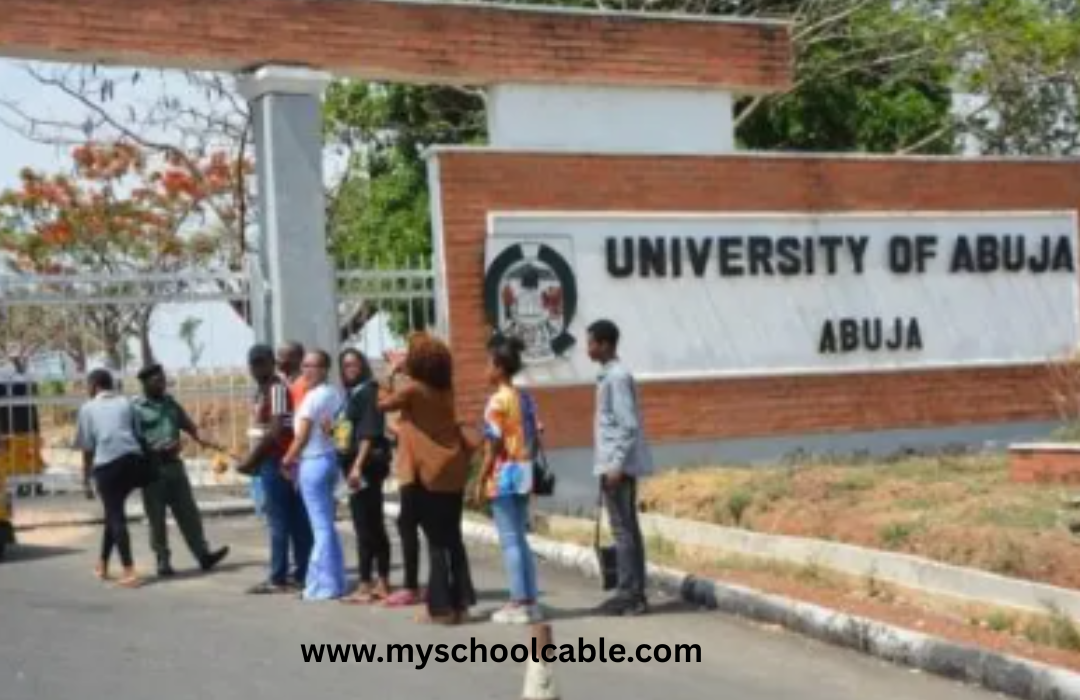
The University of Abuja Main Campus is strategically located along the Abuja Airport Road, providing easy access to Nigeria’s capital city. The main campus houses most faculty, lecture halls, laboratories, hostels, and administrative buildings, serving as the heart of academic and student life. Its modern infrastructure and serene environment foster a conducive atmosphere for learning and research, making it the ideal setting for students enrolled in any of the University of Abuja’s courses. To explore the campus virtually or get directions, visit the official UNIABUJA website.
University of Abuja Portal
All prospective and current students use the University of Abuja Portal to access vital services such as admission applications, course registration, payment of fees, and checking results. The portal is the official gateway for managing your academic journey, whether you’re applying for undergraduate or the University of Abuja’s postgraduate programs. For direct access, visit the University of Abuja Portal.
University of Abuja Course List
The University of Abuja offers a wide variety of accredited courses across arts, sciences, engineering, management, law, education, and health sciences. Below is a detailed University of Abuja course list for both undergraduate and postgraduate studies, including direct links to departments and schools for further exploration.
Undergraduate Courses
Accounting
Agricultural Science and Education
Agriculture
Anatomy
Arabic Studies
Biochemistry
Banking and Finance
Biology
Business Administration
Business Education
Chemical Engineering
Chemistry
Christian Religious Studies
Civil Engineering
Computer Science (Computer Science Department)
Drama/Performing Arts
Economics
Education (various specializations)
Electrical Engineering
English and Literary Studies
Environmental Education
Geography
Geology and Mining
Guidance and Counseling
History
Industrial Design
Islamic Studies
Law
Library and Information Science
Linguistics
Mathematics
Mechanical Engineering
Medical Laboratory Science
Medicine and Surgery
Microbiology
Nursing Science
Philosophy
Physics
Political Science and International Relations
Public Administration
Sociology
Statistics
Veterinary Medicine
Zoology
For a full, up-to-date list, visit StudentPointer’s UNIABUJA Courses and MyEduWays.
Postgraduate Courses
The University of Abuja’s postgraduate programs span over 90 courses, including PGD, Master’s, and PhD degrees across 15 faculties. Some highlights include:
M.Sc. Crop Protection
M.Sc. Agronomy
M.Sc. Agricultural Economics
M.Sc. Environmental Economics
M.Ed. Counseling Education
M.Ed. Curriculum Studies
M.A. English Language
M.Sc. Computer Science
MBA, MPA, and other management programs
PhD programs in Sciences, Arts, Social Sciences, Engineering, and more
For the full postgraduate course list and requirements, refer to MySchoolGist’s UNIABUJA Postgraduate Courses, AJLS, and PrepsNG.
University of Abuja Courses and Fees
Understanding the cost of your chosen program is essential for planning. University of Abuja courses and fees vary by faculty and level of study.
Undergraduate Fees
Freshers: ₦53,000 – ₦63,000 per session
Returning Students: ₦39,000 – ₦45,000 per session
Medicine, Law, and Engineering: Typically higher, up to ₦80,000 per session
Postgraduate Fees
PGD: ₦120,000 – ₦150,000 per session
Masters: ₦150,000 – ₦200,000 per session
PhD: ₦180,000 – ₦250,000 per session
For detailed breakdowns and downloadable fee schedules, check the official UNIABUJA portal. For a University of Abuja course and fees PDF download, many departments provide updated documents on their official pages.
University of Abuja Courses and Requirements
Admission into any of the University of Abuja courses requires meeting specific criteria, including O’level results, JAMB scores, and sometimes post-UTME screening.
General Requirements
Minimum of five (5) O’level credits including English and Mathematics
Appropriate JAMB subject combination for the chosen course
Meet or exceed the departmental cut-off mark
Direct Entry
Relevant A-level passes or diploma/ND/NCE for direct entry into the 200 level
University of Abuja Courses and Cut Off Mark
Each course at UNIABUJA has a specific cut-off mark, influenced by competition and departmental quotas.
General JAMB cut-off: 180
Medicine and Surgery: 240+
Law: 220+
Computer Science: 200+
Nursing Science: 220+
Engineering: 200+
Arts and Social Sciences: 180+
Always confirm the latest cut-off marks on the official UNIABUJA portal or StudentPointer.
University of Abuja Computer Science Department
The University of Abuja Computer Science Department offers B.Sc., M.Sc., and PhD programs in Computer Science, focusing on software engineering, data science, artificial intelligence, and cybersecurity. The department is well-equipped with modern labs and experienced faculty, supporting both undergraduate and postgraduate research.
University of Abuja Courses for Art Students
UNIABUJA provides a rich selection of courses for art students, including:
English and Literary Studies
Theatre Arts
History
Linguistics
Philosophy
Mass Communication
Christian Religious Studies
Islamic Studies
French
These programs are designed to foster critical thinking, creativity, and communication skills. For more, see the Faculty of Arts.
University of Abuja Courses and Fees for Nursing Students
Nursing Science is one of the most competitive and respected programs at UNIABUJA. The annual fee for nursing students is typically between ₦70,000 and ₦100,000, depending on the level and additional clinical charges. Nursing students benefit from state-of-the-art laboratories and clinical placements. For details, visit the College of Health Sciences.
University of Abuja Courses for Master’s
UNIABUJA offers a wide range of master’s programs across all faculties. Popular options include:
M.Sc. Computer Science
M.Ed. Educational Management
M.A. English Language
MBA (Master of Business Administration)
M.Sc. Environmental Economics
M.Sc. Crop Protection
For the full list and requirements, see MySchoolGist’s Postgraduate Courses and AJLS.
University of Abuja Contact Number
For inquiries and support, contact the University of Abuja via:
Main Line: +234 805 554 6229
Official Website
Email: info@uniabuja.edu.ng
Frequently Asked Questions, FAQs
How much is the school fee of UNIABUJA?
School fees range from ₦53,000 to ₦100,000 per session, depending on the course and level.
Did the University of Abuja offer nursing?
Yes, UNIABUJA offers Nursing Science under the College of Health Sciences.
How do I get admission into the University of Abuja?
Apply via JAMB, meet the O’level and UTME requirements, and participate in post-UTME screening.
What is the cut-off mark for all courses at the University of Abuja?
The general cut-off is 180, but competitive courses like Medicine, Law, Nursing, and Computer Science require higher marks.
Conclusion
The University of Abuja stands out as a top federal institution with a comprehensive range of undergraduate and postgraduate courses, modern facilities, and a strong academic reputation. Whether you’re interested in arts, sciences, engineering, or health sciences, there is a UNIABUJA course tailored to your ambitions. Understanding the University of Abuja courses, fees, requirements, and cut-off marks ensures you make an informed decision and maximize your chances of admission.
So are you ready to take the next step? Visit the University of Abuja Portal to explore courses, apply online, and begin your journey to academic excellence. For more details, download the latest course and fee schedules or contact the admissions office directly.
In this article, you’ll find your future with mass communication courses! You’ll also find top universities, course outlines, project topics, fees, JAMB requirements, and job prospects in Nigeria. Get expert tips and direct links to departments for your mass communication journey.
Are You Ready to Tell the World’s Stories Through Mass Communication?
Have you ever wondered how news travels so fast, how social trends go viral, or what it takes to become a media influencer, journalist, or PR expert? Are you searching for the best mass communication courses in Nigeria, the right subjects to study, or the top universities and polytechnics to launch your career?
All in all, if you’re passionate about media, storytelling, and the power of communication, this guide will answer your questions and connect you to the next steps-whether you’re choosing your JAMB subjects, exploring project topics, or planning for a rewarding job. Every section of this article builds on the last, leading you from the basics of mass communication to advanced career strategies.
Accordingly, mass communication courses are designed to equip students with the knowledge and skills needed to thrive in journalism, broadcasting, advertising, public relations, and digital media. These courses blend theory and practice, preparing graduates for Nigeria’s dynamic media industry and the global communication landscape.
Leading universities like Nile University of Nigeria, Nnamdi Azikiwe University (UNIZIK), and Anchor University offer robust mass communication programs, ensuring students receive a comprehensive education, directly in the next section on mass communication subjects.
The curriculum for mass communication courses is broad and multidisciplinary, covering foundational and specialized areas. Common subjects include:
Introduction to Mass Communication
History of Nigerian Mass Media
Reporting and Newswriting
Media Law and Ethics
Broadcasting
Public Relations
Advertising
Feature Writing
Media Research
Digital Media and Multimedia Production
African Communication Systems
Sociology for Mass Communication
For a detailed breakdown, UNIZIK’s course descriptions and Anchor University’s core courses provide comprehensive outlines, which naturally lead to the next step-exploring mass communication project topics.
Mass Communication Project Topics
Final-year students must complete a research project on a relevant topic. Popular mass communication project topics include:
The Impact of Social Media on Political Campaigns in Nigeria
Challenges of Investigative Journalism in Nigeria
The Role of Mass Media in Promoting National Integration
Effectiveness of Public Relations Strategies in Crisis Management
Influence of Digital Media on Youth Culture
To make your research easier, many universities offer mass communication project topics and material download options. For example, you can access sample projects and materials through NOUN’s Mass Communication resources and academic project libraries, ensuring you’re well-prepared for your final year.
Mass Communication Course Fee
Understanding the cost of your education is crucial. Mass communication course fees vary by institution:
Federal/State Universities: ₦50,000 – ₦150,000 per session
Private Universities: ₦300,000 – ₦800,000 per session
Polytechnics: ₦40,000 – ₦100,000 per session
For example, Nile University of Nigeria and Anchor University publish updated fee schedules on their websites. Always confirm with the admissions office for the latest figures, which links you to the next section on JAMB subject combinations.
Mass Communication JAMB Subject Combination
Generally, to gain admission into mass communication courses, you must select the correct JAMB subjects:
Use of English (compulsory)
Literature in English
Government or Economics
Any other relevant subject (e.g., CRS/IRS)
This combination is required by most universities and polytechnics, including Federal University, Oye-Ekiti (FUOYE), which sets a cut-off mark of 220 for mass communication. Knowing your subject combination helps you meet the admission requirements for your chosen institution.
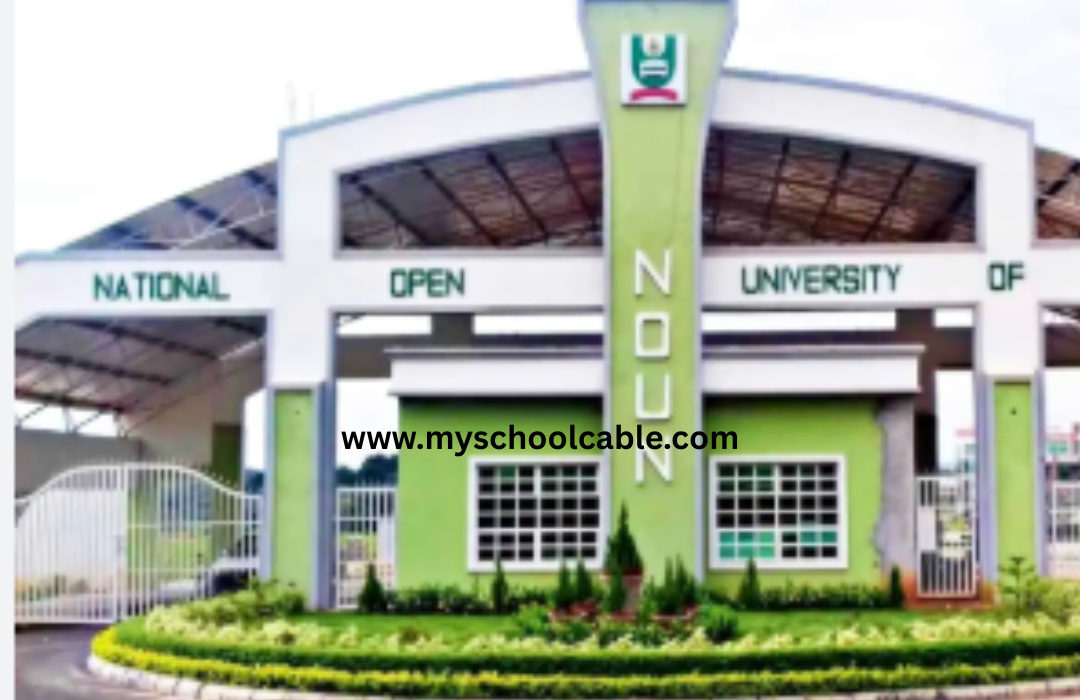
Mass Communication Courses in NOUN
The National Open University of Nigeria (NOUN) offers flexible, accredited mass communication programs for distance learners. Courses include:
MAC 111: Introduction to Mass Communication
MAC 113: History of Nigerian Mass Media
MAC 115: African Communication Systems
MAC 121: Writing for the Mass Media
MAC 123: News Reporting and Writing
Although, NOUN’s open and distance learning model allows you to study at your own pace, making it ideal for working professionals and those seeking flexible education options.
Mass Communication Courses in UNILAG
Concurrently, the University of Lagos (UNILAG) is renowned for its mass communication department, offering undergraduate and postgraduate programs with a strong focus on multimedia production, digital journalism, and media research. The curriculum covers:
Introduction to Mass Communication
Broadcast Journalism
Advertising and Public Relations
Media Law and Ethics
Digital Media Production
Similarly, UNILAG’s mass communication courses are highly competitive and respected nationwide, which leads to a discussion of mass communication courses in other Nigerian universities.
Mass Communication Course in Nigerian Universities
Simultaneously, 60 universities in Nigeria offer mass communication courses, each with unique strengths and specializations. Some of the best include:
Ahmadu Bello University (ABU)
University of Jos (UNIJOS)
Federal University of Technology, Owerri (FUTO)
Nnamdi Azikiwe University (UNIZIK)
University of Calabar (UNICAL)
Bayero University Kano (BUK)
University of Port Harcourt (UNIPORT)
Olabisi Onabanjo University (OOU)
Federal University, Oye-Ekiti (FUOYE)
University of Abuja (UNIABUJA)
Nasarawa State University (NSUK)
Imo State University (IMSU)
Abia State University (ABSU)
Anchor University
Nile University of Nigeria
Mass Communication Courses in Polytechnics
However, polytechnics across Nigeria also offer mass communication courses, focusing on practical skills and industry readiness. These include:
Yaba College of Technology (YABATECH)
Federal Polytechnic, Nekede
Auchi Polytechnic
Lagos State Polytechnic (LASPOTECH)
Kaduna Polytechnic
Also, you should know that polytechnic programs typically award National Diploma (ND) and Higher National Diploma (HND) in Mass Communication, preparing students for immediate entry into the media industry.
Mass Communication Jobs
Undoubtedly, graduates of mass communication courses can pursue diverse and rewarding careers, such as:
Journalist (print, broadcast, or online)
News Editor or Producer
Public Relations Officer
Advertising Executive
Media Researcher
Radio/TV Presenter
Social Media Manager
Corporate Communications Specialist
Content Creator or Copywriter
Film/Video Producer
Conceptually, with media and digital communication skills in high demand, mass communication graduates are well-positioned for success in Nigeria and abroad.
Mass Communication Is Under Which Faculty?
Comparatively, in most Nigerian universities, mass communication is under the Faculty of Social Sciences or the Faculty of Arts. For example, UNIZIK and NOUN both house mass communication in their social sciences faculties, reflecting the course’s multidisciplinary nature.
Mass Communication JAMB Subjects
Certainly, to reiterate, the JAMB subject combination for mass communication is:
Use of English
Literature in English
Government or Economics
Any other relevant subject
Altogether, meeting these requirements is essential for admission into top programs like those at FUOYE.
Mass Communication Project Topics and Materials Download
Basically, access to quality project topics and research materials is vital for academic success. Many universities and online platforms offer free downloads of mass communication project topics and materials. These resources include:
Complete project reports
Data analysis templates
Literature reviews
Case studies
Additionally, you can find such materials through your university’s library or reputable academic websites, supporting your research and final year project.
Frequently Asked Questions, FAQs
Which course is best in mass communication?
Courses in broadcast journalism, public relations, digital media, and advertising are highly valued for their career prospects and industry relevance.
What job is under mass communication?
Jobs include journalist, PR officer, advertising executive, broadcaster, content creator, and media researcher.
What is a mass communication course?
A mass communication course teaches the principles, techniques, and ethics of communicating information to large audiences through various media channels.
What are the 4 types of mass communication?
The four main types are print media, broadcast media, digital media, and outdoor media.
Tips for Choosing the Best Mass Communication Course
Choose a specialization (e.g., journalism, PR, digital media) that matches your passion.
Select institutions with strong practical training and industry connections, such as UNILAG or Nile University.
Ensure your chosen course is accredited by the National Universities Commission (NUC).
Balance quality education with affordability and convenience.
Look for programs that offer modern modules like digital media and multimedia production.
Conclusion
Comparatively, mass communication courses open doors to exciting careers in Nigeria’s media, corporate, and creative industries. Undoubtedly, with options in top universities and polytechnics, a diverse curriculum, and strong job prospects, mass communication is an ideal choice for students passionate about storytelling, information, and influence. Understanding the subjects, fees, requirements, and career paths ensures you make an informed decision and thrive in your chosen field.
Albeit, If you are ready to start your journey, then explore NOUN’s mass communication courses, check out UNIZIK’s course descriptions, or apply to Nile University of Nigeria today. Your future in mass communication begins now. Visit myschoolcable to stay informed on the latest educational trends in Nigeria, Global job opportunities, fully funded scholarships, career guidance, and lots more.
If you Google “How much is the IELTS exam fee,” you’ll probably come across a range of conflicting amounts, usually between ₦266,000 and ₦285,000. But the exact amount can be quite difficult to discern. The question lingers: how much is the IELTS exam fee in Nigerian naira?
In this article, we’ll provide accurate and up-to-date information on the cost of the IELTS exam in Nigeria. By the end of this reading, you won’t need a search engine to tell you how much the IELTS exam fee is in Nigeria—you’ll be well informed.
We’ll also walk you through the upcoming IELTS exam dates for 2025 in Nigeria and other key details to note about the IELTS exam. So get ready to ace your IELTS!
What is IELTS?
If you’re searching for an answer to the question, “How much is the IELTS exam fee,” you already know what IELTS is. Perhaps you’re even prepared to write the exam, but you’re just unsure of the cost.
But if you’ve just heard of IELTS and this article popped up on your search results, let’s give you a breakdown of what IELTS entails.
IELTS is an acronym for “International English Language Testing System,” jointly founded and managed by the British Council, IDP Education, and Cambridge Assessment English.
The test is used by employers, schools, immigration authorities, and other institutions to determine a person’s English-speaking, reading, writing, and listening proficiency. If you’re applying for an opportunity that requires you to take the IELTS exam, it will be stated in your application process, along with the acceptable score.
Features of IELTS
The IELTS test has been taken by over 4 million candidates worldwide, and is the accepted English proficiency test in 12,500 organisations across 140+ countries
IELTS exams comprise Listening, Reading, Writing, and Speaking sections, and the time allowed is 2 hours, 45 minutes
The Speaking section may be scheduled at a different time on the same day or an entirely different day
The IELTS tests are graded and sent in a Test Report Form valid for two (2) calendar years
Currently, IELTS is also offering five (5) extra Test Report Forms, sent for FREE to the institutions you’re sending your application to.
How Much is the IELTS Exam Fee in Nigeria in 2025?
When you search for “How much is the IELTS exam fee in Nigeria 2025?” on Google, you’re likely to receive varying results rather than an exact amount. This usually leaves students confused about the actual cost of taking the IELTS test.
The IELTS exam is categorized into the following:
IELTS Academic
IELTS General Training
IELTS for UKVI Academic/General
IELTS for UKVI Life Skills
These categories vary in cost and may be further divided into computer-based and paper-based formats. And that’s why you get different amounts when you search, “How much is the IELTS exam fee in Nigeria in 2025?”
According to the British council, the IELTS exam fee in Nigeria in 2025 ranges between ₦266,000 and ₦285,000, depending on the test type. The breakdown is as follows:
NO.
IELTS EXAM TYPE
FEE
1.
IELTS Academic and General Training (Computer-based)
₦266,000
2.
IELTS Academic and General Training (Paper-based)
₦277,000
3.
IELTS for UKVI Academic/General (Computer-based)
₦285,000
4.
IELTS for UKVI Life Skills (A1 and B1)
₦269,000
Why Choose the IELTS Computer-based Test Over Paper-based?
IELTS is going fully tech! Starting May 25, 2025, all IELTS exams will be Computer-based.
The British Council and IDP will no longer offer IELTS via the paper format in Nigeria. From 25 May 2025, all IELTS tests will be delivered exclusively on computers, providing a faster, more efficient and streamlined testing experience.
—The British Council
But for now, you still have an option to select the computer-based or paper-based format. However, the benefits of the computer-based test are significant. For one, the exam fee is less than the paper-based test. Other benefits include:
Offers more dates to select from, making it easier for candidates to find convenient dates
Test results are released within 24 – 48 hours max.
Exclusive access to One Skill Retake, which allows candidates to retake only the part of the test they failed, if any.
The British council is offering ₦20,000 to every Nigerian candidate registering for the IELTS on Computer. This offer runs every week until May 31, 2025, and is open to every Nigerian resident aged 18 and above.
The British Council is also offering some catchy goodies to candidates who book their IELTS exam online. Such benefits include:
FREE IELTS preparation materials today!
FREE access to the IELTS Ready Premium preparatory course worth $60!
FREE extra (5) Test Report Forms sent directly to the institutions you’re applying to.
These benefits are available to all candidates who book their computer-based or paper-based test online.
While preparing to take your IELTS exam, there are some key details you must be aware of. These include:
If you don’t officially reside in Nigeria, you must take the computer-based test; otherwise, issue a proof of residency for the paper-based option.
You need a valid ID to complete your registration, which must be a Passport or NIN card. Note that the temporary NIN slip is not acceptable.
Non-Nigerians taking the test in Nigeria can only upload a Passport as an ID.
Parents/guardians of candidates aged 18 or under must complete the Parent Consent form.
IELTS Exams Dates 2025 in Nigeria
This section seeks to highlight the upcoming IELTS exam dates for 2025 in Nigeria.
IELTS exam dates are usually scheduled at least once a week. The Listening, Reading & Writing test is conducted in the mornings, and the Speaking test in the afternoon or on a separate date.
According to the British Council, the upcoming IELTS exam dates in 2025 in Nigeria are May 3, 8, 10, 15, 17, 22, 24, and 29. Follow the steps below to book a date:
Go to the official IELTS booking page and click “Find a test date.”
Choose a category between the Academic, General Training, and Work/Spouse Visa tests
Select your preferred city to take the test in
Select your preferred test format: on paper or computer
Click “Let me choose the dates” or “Show me all dates.”
Select a date, create an account, and pay.
Once you’ve completed your booking by making payment, you will receive emails with the address and time of your test. If the date for your speaking test differs, it would be stated in the email. You will also receive access to the FREE IELTS Ready Premium preparatory course.
Other IELTS exam dates for 2025 in Nigeria can be found here.
According to the British council, the IELTS exam fee in Nigerian naira ranges between ₦266,000 and ₦285,000, depending on the test type. The computer-based IELTS Academic and General Training costs ₦266,000, while the paper-based equivalent costs ₦277,000. The IELTS for UKVI Academic/General costs ₦285,000 and can only be taken on a computer. Finally, the IELTS for UKVI Life Skills (A1 and B1) costs ₦269,000
When is the Next IELTS Exam in Nigeria?
A lot of people ask, “When is the next IELTS exam in Nigeria?” According to the British Council, the upcoming IELTS exam dates in Nigeria are May 3, 8, 10, 15, 17, 22, 24, and 29. Click here to book a date.
How Do I Know Which IELTS Exam to Take?
The type of IELTS exam you should take depends on your ultimate migration goal. Are you planning to work or study? Does your application have a specific requirement? These are the questions that will guide your decision. The British Council supports candidates to determine the most suitable IELTS test for their application. Click here to understand the IELTS categories better.
Conclusion: Ace That Exam!
By now, you have the answer to your question, “How much is the IELTS exam fee in Nigeria in 2025?” or “How much is the IELTS exam fee in Nigerian naira?” We’ve also armed you with the categories of IELTS, how to determine the best category to take, and the upcoming IELTS exam dates for 2025 in Nigeria.
Your next step is to prepare for the exam. The British Council offers FREE IELTS preparation materials and a Premium IELTS preparatory course. These are provided once you book your date. So book now, read thoroughly, and ace that test!
Explore the top aviation schools in Nigeria, their fees, requirements, courses, application portals, and discover the best air academy in Lagos, Abuja, and across the country for pilots, flight attendants, and air hostesses, and find expert tips, FAQs, and how to apply for them in this article
Are you passionate about flying and dreaming of a career in the skies? Are you searching for the top aviation schools in Nigeria, their fees, requirements, and how to apply? Whether you aim to become a pilot, cabin crew, or aviation engineer, this comprehensive guide will walk you through the list of these institutions, their locations, and everything you need to launch your aviation career.
Let’s begin by exploring the landscape of aviation schools in Nigeria and what makes them the gateway to exciting jobs in Nigeria’s growing aviation sector.
Basically, aviation schools in Nigeria are specialized institutions that provide training for aspiring pilots, flight attendants, air hostesses, aviation engineers, and other professionals in the aviation industry. With the aviation sector expanding rapidly in Lagos, Abuja, and other major cities, the demand for highly skilled aviation personnel is at an all-time high. These schools offer a range of aviation courses in Nigeria, from pilot training to cabin crew certification, ensuring graduates are well-equipped for jobs in Nigeria and beyond.
Concurrently, as you consider your options, understanding the types, locations, and reputation of aviation schools in Nigeria is crucial. This naturally leads us to the next section: the top 10 aviation schools in Nigeria and their unique offerings.
Top 10 Aviation Schools in Nigeria
However, selecting the right aviation school can make all the difference in your career. Here are the top 10 aviation schools in Nigeria, known for their accreditation, facilities, and industry partnerships:
1. Nigerian College of Aviation Technology (NCAT), Zaria
The oldest and most prestigious, offering pilot, cabin crew, and engineering courses.
2. International Aviation College, Ilorin
IAC is known for its modern fleet and innovative training programs.
3. Landover Aviation Business School (LABS), Lagos
Renowned for flight attendant and aviation management courses.
4. Universal School of Aviation, Lagos
Offers comprehensive air hostess and flight attendant training.
5. Dhaewood Aviation Business School (DABS), Lagos
Focuses on cabin crew and aviation business programs.
6. Aeroconsult Aviation, Lagos
Specializes in pilot training and aviation safety management.
7. Lagos Aviation Academy (LAA), Lagos
Modern facilities and a wide range of aviation courses.
8. Sky Aviation Training Center, Lagos
Emerging leader in flight and ground operations training.
9. Alpha Aviation, Abuja
Accredited for pilot and air traffic control courses.
10. Aeroport College of Aviation and Travel Management, Lagos
Popular for flight attendant and travel management programs.
So, these top aviation schools in Nigeria are strategically located in Lagos, Abuja, Zaria, and Ilorin, making them accessible to students nationwide. But what about their fees, and how do you choose the right one for your budget and career goals?
Aviation Schools in Nigeria and Their Fees
The cost of training at aviation schools in Nigeria varies based on the course, school reputation, and duration. Here’s a breakdown of typical fees:
Pilot Training (Private or Commercial): ₦7 million – ₦12 million for a full course (e.g., NCAT, International Aviation College).
Cabin Crew/Flight Attendant Training: ₦70,000 – ₦300,000 (short courses, e.g., Landover Aviation Business School, Universal School of Aviation).
Aircraft Maintenance Engineering: ₦1.5 million – ₦4 million.
Before you proceed, let’s take, for example, the Nigerian College of Aviation Technology (NCAT) charges about ₦7.5 million for the Standard Pilot Course (2 years), while Universal School of Aviation’s cabin crew program costs around ₦150,000. Always confirm current fees on each school’s website, as they may change annually.
Although understanding fees is vital, you also need to know the admission requirements for each school and program.
Aviation Schools in Nigeria and Their Requirements
Even though admission requirements for aviation schools in Nigeria differ by course and institution, there are general standards that all of them maintain. Take a look at the requirements they all need to get you admitted.
O’Level (WAEC/NECO/GCE): Minimum of five credits, including English and Mathematics. Physics and Geography are advantageous for technical courses.
Age: 17+ for pilot courses; 18+ for flight attendant/cabin crew.
Medical Fitness: Medical examination and certification are mandatory for pilots and cabin crew.
JAMB Score: Some schools (e.g., NCAT) may require a minimum JAMB score (often 180).
Additional Documents: Birth certificate, passport photos, and sometimes a valid international passport.
For advanced or diploma programs, higher qualifications like OND, HND, or B.Sc. may be required. Always check each school’s specific requirements before applying.
List of Aviation Schools in Nigeria, Their Locations, and Fees
However, find below the list here.
School Name
Location
Main Courses
Fees (₦)
Nigerian College of Aviation Technology (NCAT)
Zaria, Kaduna
Pilot, Cabin Crew, Engineering
7.5 m+ (Pilot)
International Aviation College
Ilorin, Kwara
Pilot,Flight Dispatcher
7m+
Landover Aviation Business School
Lagos
Cabin Crew, Aviation Mgt
150k+
Universal School of Aviation
Lagos
Cabin-Crew, Ticketing
120k+
Dhaewood Aviation Business School
Lagos
Cabin Crew, Aviation Mgt
100k+
Lagos Aviation Academy
Lagos
Flight Dispatcher, Cabin Crew
200k+
Aeroconsult Aviation
Lagos
Pilot, Safety Mgt
1m+
Sky Aviation Training Center
Lagos
Flight Ops, Dispatch
250k+
Alpha Aviation
Abuja
Pilot, Air Traffic Control
1m+
Aeroport College of Aviation
Lagos
Cabin Crew, Travel Mgt
90k+
Additionally, most aviation schools in Nigeria, Lagos, are clustered in Ikeja and other business districts, while Abuja and Zaria are also key aviation hubs. If your goal is to become a flight attendant or air hostess, which schools should you consider?
Aviation Schools in Nigeria for Flight Attendant and Air Hostess Training
For those aiming to become a flight attendant or air hostess, specialized training is essential. The best aviation schools in Nigeria for these roles include:
Landover Aviation Business School, Lagos: Renowned for its flight attendant and air hostess training, with modern simulators and experienced instructors.
Universal School of Aviation, Lagos: Offers comprehensive cabin crew certification.
Dhaewood Aviation Business School, Lagos: Focuses on customer service, safety, and grooming.
Aeroport College of Aviation, Lagos: Known for producing highly skilled flight attendants.
What more does Aviation School in Nigeria require to be admitted?
Minimum age: 18 years
O’Level credits (English and Maths)
Medical fitness
Good communication skills
Professional appearance
Fees: ₦70,000 – ₦300,000 depending on the school and course duration.
Also, these schools provide job placement support, increasing your chances of securing jobs in Nigeria’s aviation sector after graduation. But what aviation courses in Nigeria are available, and which universities offer them?
Aviation Courses in Nigeria and Universities Offering Aviation Courses
Aviation courses in Nigeria cover a broad spectrum, including:
Pilot Training (Private, Commercial)
Cabin Crew/Flight Attendant/Air Hostess
Aircraft Maintenance Engineering
Aviation Management
Air Traffic Control
Flight Dispatch
Aeronautical Telecommunications Engineering
Universities offering aviation courses in Nigeria include:
Nigerian College of Aviation Technology (NCAT), Zaria
International Aviation College, Ilorin
Lagos State University (LASU): Offers B.Sc. in Aeronautical Engineering and Aviation Management.
Covenant University, Ota: Aviation Management.
Obafemi Awolowo University (OAU): Aeronautical Engineering (in partnership with aviation institutes).
Federal University of Technology, Akure (FUTA): Aviation Technology.
These universities and colleges provide both degree and diploma options, catering to a wide range of career interests. Now, let’s discuss how to apply to aviation schools in Nigeria, including application portals and deadlines.
Conceptually, let’s discuss the application for Aviation Schools in Nigeria: How to Apply, Application Portal, and Closing Date
How to Apply
Visit official websites to compare courses, fees, and requirements.
Ensure you meet academic and age criteria.
O’Level results, passport photos, birth certificate, and medical report.
Most schools have online application portals (e.g., NCAT Application Portal, Universal School of Aviation Portal).
Payment is usually online or via designated banks.
Upload all documents and confirm submission.
Some schools may require an aptitude test or interview.
Successful applicants receive admission letters and instructions for registration.
Application Portal
Concurrently, each of the academies has its own application portal. All applicants should visit the official aviation school website of their choice to begin the application process.
Closing Date
Application deadlines vary by school and intake. Most schools have rolling admissions, but check each portal for specific closing dates. NCAT applications for the September 2025 intake close on August 15, 2025.
With your application underway, let’s look at successful tips for gaining admission and excelling in your career.
Effective Strategies for Admission and Career Success in Aviation Schools in Nigeria
Research and apply well before deadlines.
Double-check academic, age, and medical criteria.
Practice communication and problem-solving skills.
Maintain good health and fitness, especially for pilot and cabin crew roles.
Join aviation forums and connect with alumni for insights and opportunities.
Some aviation schools in Nigeria offer scholarships or financial aid.
Follow industry news for job openings and regulatory changes.
Choose a school in Lagos, Abuja, or your preferred city for convenience and networking.
These tips will help you maximize your investment and position you for top jobs in Nigeria’s aviation industry.
Frequently Asked Questions (FAQs) About Aviation Schools in Nigeria
What are the best aviation schools in Nigeria?
The top aviation schools in Nigeria include NCAT Zaria, International Aviation College Ilorin, Landover Aviation Business School Lagos, Universal School of Aviation Lagos, and Dhaewood Aviation Business School Lagos.
How much are aviation school fees in Nigeria?
Pilot training costs ₦7–12 million, while cabin crew and flight attendant courses range from ₦70,000 to ₦300,000.
What are the requirements for aviation schools in Nigeria?
Five O’Level credits (including English and Maths), minimum age (17 for pilots, 18 for flight attendants), and medical fitness.
More Frequently Asked Questions and Answers
Which aviation schools in Nigeria are open now?
Most schools accept applications year-round. Check each school’s portal for current admission status.
Are there aviation schools in Nigeria for flight attendants and air hostesses?
Yes. Landover Aviation Business School, Universal School of Aviation, and Aeroport College of Aviation in Lagos are top choices.
Which universities offer aviation courses in Nigeria?
NCAT Zaria, International Aviation College Ilorin, LASU, FUTA, and Covenant University.
What jobs in Nigeria can I get after aviation school?
Pilot, flight attendant, air hostess, aircraft engineer, air traffic controller, aviation manager, and more.
Conclusion
Albeit, aviation schools in Nigeria are your launchpad to a rewarding career in the skies. Whether you want to be a pilot, flight attendant, air hostess, or aviation engineer, there’s a world-class institution ready to train you. By understanding the list of these institutions in Nigeria, their fees, requirements, and application process, you can make informed decisions and take the first step toward your dream job
Finally, are you ready to soar? Then start your journey by following the information listed in this guide. Compare their fees and requirements, and apply through their official portals today. The sky is not the limit- it’s just the beginning. Visit myschoolcable to stay informed of the latest aviation school trends in Nigeria, global opportunities, fully funded scholarships, and lots more.
Are you seeking a flexible, affordable, and fully accredited university education in Nigeria? Do you want to know how to access the National Open University Admission portal, the full range of National Open University of Nigeria courses, or the eligibility criteria for undergraduate, postgraduate, and professional programs? Are you curious about National Open University requirements in PDF, the latest school fees, and how to apply online? This comprehensive guide will walk you through every detail you need to make a successful application, from registration to graduation, and answer all your frequently asked questions about NOUN.Read Also – Unilag Cut Off Mark for All Courses
National Open University Admission Portal
The National Open University Admission portal is the official online gateway for prospective students to begin their journey at NOUN. The portal is designed for seamless registration, application, and tracking of your admission status. Here, you can:
Create an account and start your application for undergraduate, postgraduate, or professional programs.
Upload the required documents and pay the application fees.
Check the progress of your application and receive your admission letter once admitted.
Download the National Open University requirements PDF and detailed course brochures.
The admission portal is open year-round, allowing students to apply at their convenience, in line with NOUN’s flexible open and distance learning model. After understanding how to access the portal, your next step is to explore the diverse range of courses offered by NOUN.
National Open University Of Nigeria Courses
NOUN offers a wide array of courses across multiple faculties, reflecting its commitment to accessible, high-quality education for all. Whether you’re interested in the arts, sciences, health, law, or management, there’s a program tailored to your career ambitions. The main faculties and some of their popular courses include:
Faculty of Agricultural Sciences: Agricultural Economics, Animal Science, Crop Science, Soil Science, and Agricultural Extension.
Faculty of Arts: English, French, Philosophy, Christian Religious Studies, Islamic Studies.
Faculty of Education: Early Childhood Education, Science Education, Educational Administration, Guidance and Counselling.
Faculty of Health Sciences: Nursing, Public Health, Environmental Health Science, Community Health.
Faculty of Law: LLB Law.
Faculty of Management Sciences: Accounting, Business Administration, Banking and Finance, Marketing, Public Administration.
Faculty of Social Sciences: Economics, Mass Communication, Political Science, Peace Studies and Conflict Resolution, Criminology.
For a comprehensive and updated list, visit the official NOUN courses page. But before you apply, it’s crucial to understand the eligibility criteria for your chosen program.
Eligibility Criteria
The eligibility criteria for admission into NOUN depend on the level and type of program you wish to pursue. Here’s a breakdown:
Undergraduate Programmes
Minimum of five (5) O’Level credits including English Language and Mathematics, obtained in no more than two sittings in WAEC, NECO, NABTEB, or GCE.
Candidates must be at least 16 years old at the time of application.
No UTME/JAMB is required for undergraduate admission, making NOUN accessible to a wider range of students.
Direct Entry (for Degree Programs)
A’Level, NCE, OND, HND, or equivalent qualifications relevant to the chosen course.
Applicants with a diploma or first degree in a related field may be considered for advanced entry.
Postgraduate Programmes
Bachelor’s degree from a recognized institution with at least a third-class honors for a postgraduate diploma; second-class lower for master’s programs.
HND holders with a minimum of a lower credit can apply for postgraduate diplomas.
Relevant professional qualifications may also be accepted.
For a PhD, a master’s degree in a related field with at least a CGPA of 3.5 on a 5-point scale.
Now that you know the eligibility criteria, let’s look at the specific requirements for each program.
National Open University Requirements PDF
For detailed and program-specific requirements, NOUN provides a comprehensive requirements PDF on its website. This document outlines:
Minimum academic qualifications for each course.
Required subjects for O’Level and A’Level.
Additional documents for international students.
Step-by-step instructions for uploading documents during registration.
To access the latest requirements PDF, visit NOUN Admission Requirements. This ensures you’re fully prepared before starting your application.
With eligibility and requirements in mind, let’s explore the courses and fees at NOUN.
National Open University Courses And Fees
NOUN’s fee structure is transparent and affordable, making quality higher education accessible to all Nigerians. Here’s an overview:
Undergraduate Fees (Per Semester)
New Students: ₦36,000 – ₦41,000 (includes registration, matriculation, ID card, ICT, library, and examination fees)
Returning Students: ₦18,000 – ₦25,000 (varies by program)
Course Materials: Free digital downloads; printed materials available at extra cost
Postgraduate Fees (Per Semester)
PGD: ₦50,000 – ₦65,000
Masters: ₦60,000 – ₦75,000
Faculty-Specific Fees
Law, Nursing, and Health Sciences may have slightly higher fees due to professional accreditation and practicals.
Payment Method
All payments are made through the NOUN Remita payment portal, ensuring security and transparency.
For a detailed breakdown by course, visit the NOUN fees schedule. Now that you have understood the costs, your next step is to register via the official portal.
National Open University Registration Portal
The NOUN registration portal is your one-stop shop for all application and enrollment activities, and follow these following steps below:
Create an account with your email and phone number.
Select your program (undergraduate, postgraduate, diploma, or certificate).
Pay the application fee via Remita and obtain your RRR (Remita Retrieval Reference).
Complete your application and submit.
Track your admission status through the portal.
The portal is open 24/7, allowing you to apply at your convenience, and you can always return to update your information or check your progress. If you’re interested in postgraduate study, NOUN offers a robust selection of advanced programs.
National Open University Postgraduate Courses
NOUN’s School of Postgraduate Studies offers a range of programs designed to advance your career and academic goals. Popular postgraduate courses include:
Postgraduate Diploma (PGD): Education, Public Administration, Financial Management, Mass Communication, Information Technology, Peace Studies.
Masters (MSc/MA): Business Administration, Public Health, Educational Administration, Information Technology, Mass Communication, Peace Studies and Conflict Resolution, Environmental Science.
Doctor of Philosophy (PhD): Education, Business Administration, Information Technology, Peace Studies.
All postgraduate programs are approved by the National Universities Commission (NUC) and are delivered through a flexible, blended learning model. For a full list, visit the NOUN Postgraduate Programmes page.
However, if you’re considering a master’s degree, let’s examine the courses available and their requirements.
National Open University Courses for Master’s Programme
NOUN’s master’s programs are designed for working professionals and recent graduates seeking advanced knowledge. Some of the most popular master’s courses include:
Master of Business Administration (MBA)
MSc Information Technology
MSc Public Health
MA English Language
MSc Peace Studies and Conflict Resolution
MSc Environmental Science
MSc Economics
MSc Criminology and Security Studies
MA Christian Religious Studies
MSc Educational Administration and Planning
Admission requirements typically include a bachelor’s degree with a minimum of second-class lower division, transcripts, and sometimes professional experience.
For more details, download the NOUN Postgraduate Requirements PDF.
What about nursing? Here’s what you need to know about NOUN’s nursing program and its requirements.
National Open University And Requirements for Nursing
NOUN’s B.Sc. The nursing program is accredited by the Nursing and Midwifery Council of Nigeria (NMCN) and is designed for registered nurses seeking a degree upgrade. Key requirements include:
Registered Nurse (RN) or Registered Midwife (RM) certificate
Five O-Level credits including English Language, Mathematics, Biology, Chemistry, and Physics
Current practicing license
Evidence of registration with NMCN
Letter of recommendation from employer (for working nurses)
This program is not open to fresh secondary school leavers; it is strictly for qualified nurses who wish to obtain a university degree while working. For more details, visit the NOUN Nursing Programme page.
Apparently, now that you have seen the requirements, you may wonder about the duration of NOUN courses.
National Open University And Duration
NOUN’s flexible model allows students to progress at their own pace, but there are minimum and maximum durations for each program:
Undergraduate Degrees: Minimum 4 years, maximum 5 years (for full-time equivalent)
Postgraduate Diplomas: Minimum 1 year, maximum 3 years
Master’s Degrees: Minimum 2 years, maximum 3 years
PhD: Minimum 2 years, maximum 3 years
Students can accelerate or extend their studies depending on personal circumstances, making NOUN ideal for working professionals and those with family commitments.
Ready to start your journey? Here’s how to apply.
How to Apply
Applying to NOUN is straightforward and fully online. Follow these steps:
Visit the NOUN Admission Portal
Select “Apply for Admission” on the homepage.
Choose your program (Undergraduate, Postgraduate, Diploma, Certificate).
Fill out the application form with accurate personal and academic details.
Upload all required documents (see requirements above).
Pay the application fee (₦5,000 for undergraduate, ₦7,500 for postgraduate) via Remita.
Submit your application and print the confirmation slip.
Track your admission status via the portal.
Once admitted, you’ll receive an admission letter and instructions for registration and course enrollment.
Still have questions? Let’s address the most common FAQs about NOUN.
Frequently Asked Questions, FAQS
How much are school fees at the National Open University?
School fees at NOUN range from ₦36,000 to ₦41,000 per semester for new undergraduates, and ₦18,000 to ₦25,000 for returning students. Postgraduate fees range from ₦50,000 to ₦75,000 per semester, depending on the program.
What courses are offered in NOUN?
NOUN offers a wide variety of courses in Agriculture, Arts, Education, Health Sciences, Law, Management Sciences, Sciences, and Social Sciences. For a full list, visit the NOUN courses page.
Do National Open University students go to NYSC?
Currently, NOUN graduates are not mobilized for the National Youth Service Corps (NYSC) program, except for those who gained admission before 2017 or through special government directives.
How many years are National Open University courses?
Undergraduate degrees typically take a minimum of 4 years, postgraduate diplomas 1 year, and master’s degrees 2 years. However, NOUN’s flexible system allows students to extend their studies up to the maximum duration allowed.
Successful Tips
Start your application early to avoid a last-minute rush and errors.
Double-check eligibility criteria and upload all required documents in the correct format.
Use a valid email and phone number for communication and updates.
Pay fees promptly using the official Remita platform.
Engage with your study centre for academic support and orientation.
Download and use the National Open University requirements PDF for reference.
Join online forums and alumni groups for peer support and networking.
Conclusion
The National Open University of Nigeria stands as a beacon of accessible, flexible, and quality education for all Nigerians. With a wide range of courses, affordable fees, and a fully online application process, NOUN makes it possible for anyone to pursue their academic dreams regardless of age, background, or location. By following the steps outlined in this guide, you can confidently navigate the admission process and set yourself on the path to academic and professional success.
So, are you ready to transform your future with a NOUN degree?
Finally, visit the NOUN Admission Portal today, explore the full list of courses, and start your application. For detailed requirements, visit myschoolcable to stay updated. Your journey to a brighter future begins now.
Find the complete history, admission process, and list of Unity schools in Nigeria. Also, learn about the establishment of unity schools, admission criteria, common entrance, school fees, and find answers to FAQs. Explore Unity schools in Lagos, Abuja, Oyo, and Osun, and connect with old students’ associations in this article.
History of Unity Schools in Nigeria
Have you ever wondered why unity schools are so prominent in Nigeria’s educational landscape, or how they came to symbolize national integration and academic excellence?
Actually, the story of Unity Schools in Nigeria is deeply intertwined with the country’s quest for unity, peace, and progress. After Nigeria’s independence and the subsequent civil war, there was a pressing need to foster national cohesion among the country’s diverse ethnic groups. This led to the birth of unity schools, which were designed to bring together students from all regions, backgrounds, and cultures under one educational umbrella.
Basically, the earliest attempt to establish unity schools was in 1966, with the founding of three Federal Government Colleges in Okposi (Eastern region), Sokoto (Northern region), and Warri (Midwestern region). These pioneering schools were the seeds for a bold experiment in national integration, using education as a tool to bridge divides and promote mutual understanding. The success of these schools paved the way for more, especially after the Civil War, when the government recognized the need to expand the model across all new states.
But how did the establishment of unity schools in Nigeria evolve from these humble beginnings to the 104 institutions we see today? Find out in the next write-up.
Before you begin, it is pertinent to read about the establishment of unity schools in Nigeria, which was a deliberate policy by the Federal Government, particularly under the leadership of General Yakubu Gowon. After the civil war and the creation of 12 new states, the government decided to set up federal secondary schools-known as unity schools-in each state to foster unity and patriotism among young Nigerians. By 1973, the network of unity schools had spread across the country, ensuring that children from every state could learn together, regardless of background.
Today, there are 104 Federal Government Colleges (FGCs), also called unity schools, strategically located in every state and the Federal Capital Territory. Their admission policies reflect the federal character principle, ensuring a mix of students from all over Nigeria. The curriculum is designed to prioritize patriotism, collaboration, tolerance, and inter-relationships, making Unity Schools a melting pot of cultures and ideas.
So, how do students gain admission into these prestigious schools, and what are the latest criteria set by the Federal Government?
Admission into Unity Schools in Nigeria
Admission into Unity schools in Nigeria is highly competitive and transparent, to select the best and brightest students from across the country. The main gateway is the National Common Entrance Examination (NCEE), conducted annually by the National Examinations Council (NECO). Only final-year primary school pupils are eligible to sit for this exam, which tests their proficiency in core subjects.
The Federal Government has established three main criteria for admission:
60% Merit: Top-performing students nationwide are admitted based on their scores.
30% State Quota: Each state is allocated several slots to ensure representation.
10% Exigency/Special Consideration: Reserved for special cases, such as children of staff or those with unique circumstances.
For the 2024/2025 session, over 71,000 candidates participated in the NCEE, competing for places in 115 unity schools across Nigeria. Once results are released, admission lists are published in batches, with successful candidates required to accept their offers within two weeks.
By the way, if you’re curious about which Unity schools stand out or how many there are nationwide? You’ll get to read it in the next heading,. So, find five notable Unity schools below before exploring the full list of Unity schools that are available in Nigeria.
Mention Five Unity Schools
Unity schools are spread across Nigeria, each with its unique history and achievements. Here are five prominent Unity schools:
King’s College, Lagos – One of the oldest and most prestigious boys’ schools in Nigeria.
Queen’s College, Lagos – Renowned for academic excellence and all-girls education.
Federal Government College, Warri – One of the original three unity schools established in 1966.
Federal Government Girls’ College, Bwari, Abuja – A leading girls’ unity school in the capital.
Federal Government College, Sokoto – Another of the pioneering unity schools, noted for its diverse student body.
These schools exemplify the Unity School ethos and are part of a much broader network. Ready to see the complete list?
List of Unity Schools in Nigeria
Nigeria boasts 104 federal unity schools, including Federal Government Colleges (FGCs), Federal Government Girls’ Colleges (FGGCs), and Federal Science and Technical Colleges (FSTCs). Here’s a sample from each region:
South West
King’s College, Lagos (Boys)
Queen’s College, Lagos (Girls)
FGC Lagos (Mixed)
FSTC Yaba, Lagos (Mixed)
South East
FGGC Umuahia, Abia (Girls)
FGC Nise, Anambra (Mixed)
FGC Okigwe, Imo (Mixed)
North Central
FGC Ilorin, Kwara (Mixed)
FGGC Bida, Niger (Girls)
FGC Jos, Plateau (Mixed)
North West
FGC Kaduna (Mixed)
FGGC Zaria (Girls)
FGC Kano (Mixed)
South South
FGC Warri, Delta (Mixed)
FGGC Calabar, Cross River (Girls)
FGC Port Harcourt, Rivers (Mixed)
FCT Abuja
FGGC Bwari (Girls)
FGC Kwali (Mixed)
FGBC Garki (Boys)
For the full list, visit the Akada Educational Resource Center.
But how do you check admission status or apply? The answer lies in the Unity School Admission Portal below
Unity School Admission Portal
The Unity School Admission Portal is the official online gateway for all admission-related activities. Managed by NECO and the Federal Ministry of Education, it allows parents and students to:
Register for the National Common Entrance Examination (NCEE)
Check NCEE results
View admission lists
Print admission letters
To check your result or admission status, visit results.neco.gov.ng. Enter your exam year, exam type (“National Common Entrance Examination”), and registration number, then click “Check Result.” This portal is also where you download your admission slip and proceed with documentation at your school of choice.
But what exactly is the Common Entrance, and why is it so important?
Common Entrance
The National Common Entrance Examination (NCEE) is the standardized test for admission into JSS1 of Unity Schools in Nigeria. Conducted annually by NECO, it assesses pupils in Mathematics, English, General Science, and Social Studies. The Unity Schools in Nigeria’s common entrance exam is open to final-year primary school pupils nationwide, and candidates must select their preferred Unity Schools during registration.
Concurrently, performance in the Common Entrance determines eligibility for admission, with the top scorers gaining merit-based entry. The process is transparent, and cut-off marks are set each year to ensure fairness and representation from every state.
Preparing for the Common Entrance is crucial, and one of the best ways to do so is by practicing with past questions.
The closing date for the Nigerian National Common Entrance Examination (NCEE) into Federal Unity Schools (JSS1) for the 2025 academic session is Saturday, 14 June 2025, with the registration portal closing by 9:00 AM on that date.
Past Questions
Past questions are invaluable for students preparing for the Common Entrance. They help familiarize candidates with the exam format, question types, and time management. Many reputable publishers and online platforms offer collections of past NCEE questions, covering all tested subjects.
Practicing with past questions boosts confidence and improves performance, increasing the chances of securing a spot in a university school. Parents and teachers are encouraged to use these resources as part of their preparation strategy.
Now, let’s take a closer look at Unity schools in specific states, starting with Lagos.
In Lagos
Lagos State is home to several prominent unity schools, including:
King’s College, Lagos (Boys)
Queen’s College, Lagos (Girls)
FGC Lagos (Mixed)
FSTC Yaba (Mixed)
These schools are known for their academic excellence, diverse student body, and rich history. They also serve as examination centers for the Common Entrance, making Lagos a central hub for Unity School admissions.
But what about the academic calendar and how it shapes the school year?
Calendar
The academic calendar for Unity Schools in Nigeria typically follows the standard September-to-July schedule. The year is divided into three terms:
First Term: September – December
Second Term: January – April
Third Term: May – July
Key events include the start of the academic session, mid-term breaks, end-of-term exams, and holidays. The calendar is designed to align with national education policies and allows for a smooth transition between terms, ensuring students have ample time for learning, extracurricular activities, and rest.
Next, let’s explore Unity Schools in the nation’s capital, Abuja.
In Abuja
Abuja, the Federal Capital Territory, hosts several unity schools, such as:
FGGC Bwari (Girls)
FGC Kwali (Mixed)
FGBC Garki (Boys)
FGC Rubochi (Mixed)
FSTC Orozo (Mixed)
These unity schools attract students from all over Nigeria, reflecting the federal character and cosmopolitan nature of Abuja. Admission is highly sought after, and the schools boast excellent facilities and academic records.
Now, let’s move to Oyo State, another region with notable unity schools.
In Oyo State
Oyo State is home to:
FGC Ogbomoso (Mixed)
FGGC Oyo (Girls)
FSTC Igangan (Mixed)
Also, these unity schools uphold the unity school tradition of diversity, academic excellence, and national integration. They are popular choices for students in the South West and beyond.
What about Unity Schools in Osun State?
In Osun State
FGC Ikirun (Mixed)
FGGC Ipetumodu (Girls)
FSTC Ilesa (Mixed)
The institutions are known for their inclusive environment and commitment to fostering unity among students from different backgrounds. Osun’s unity schools consistently produce outstanding graduates who excel in academics and leadership.
Speaking of graduates, the old students’ association plays a vital role in the Unity School community.
Unity Schools in Nigeria Old Students Association
Old students’ associations, also known as alumni associations, are active in almost every unity school. These groups:
Foster lifelong connections among graduates
Support their alma mater through mentorship, fundraising, and infrastructure projects
Organize reunions and networking events
Provide scholarships and career guidance for current students
The strength of these associations is a testament to the enduring impact of unity schools in shaping leaders and nation builders. But how much does it cost to attend a Unity school? Let’s discuss school fees.
Unity Colleges in Nigeria School Fees
Unity schools in Nigeria’s school fees are subsidized by the Federal Government, making them more affordable than many private secondary schools. For the 2024/2025 academic session, fees range from ₦45,000 to ₦60,000 per term, depending on the school and boarding arrangements. The fees cover tuition, accommodation, feeding, uniforms, and learning materials.
Additional costs may include PTA levies, extracurricular activities, and special projects. Therefore, parents should check with their chosen school for detailed breakdowns and payment schedules.
Now, let’s address some frequently asked questions about Unity Schools in Nigeria.
Frequently Asked Questions, FAQs
Which schools are Unity schools in Nigeria?
Unity schools are Federal Government Colleges, Federal Government Girls’ Colleges, and Federal Science and Technical Colleges established to promote national integration and provide quality education to Nigerian students from all regions.
What is a Unity school?
A unity school is a federally funded secondary school in Nigeria designed to bring together students from diverse ethnic, religious, and regional backgrounds to foster unity, patriotism, and academic excellence.
What are the names of the best schools in Nigeria?
Some of the best unity schools include King’s College Lagos, Queen’s College Lagos, FGGC Bwari Abuja, FGC Warri, and FGGC Oyo. Other top schools in Nigeria include Loyola Jesuit College, Grange School, and schools established by missionaries such as St. Gregory’s College and CMS Grammar School.
Which schools were built by missionaries in Nigeria?
Missionary schools in Nigeria include St. Gregory’s College, Lagos, CMS Grammar School, Lagos, Methodist Boys’ High School, Lagos, and Holy Child College, Lagos. These schools predate unity schools and played a significant role in the early development of education in Nigeria.
Final Thoughts About the Best Unity Schools in Nigeria
However, unity schools in Nigeria have played a pivotal role in promoting national cohesion, academic excellence, and leadership. From their historic origins in 1966 to their current status as beacons of unity and learning, these institutions continue to shape generations of Nigerians. Whether you’re seeking admission, preparing for the Common Entrance, or reconnecting as an alumnus, Unity Schools remain a cornerstone of the nation’s educational system.
Apparently, if you ready to join the legacy of unity schools in Nigeria? Then start your journey by preparing for the Unity Schools in Nigeria Common Entrance, exploring the list of Unity schools, and checking the admission portal for updates. For more information, visit results.neco.gov.ng and Akada Educational Resource Center. Embrace unity, excellence, and opportunity.
Finally, visit myschoolcable to stay updated on the latest educational trends in Nigeria, Global opportunities, study abroad news, fully funded scholarships, and job opportunities.
Want to start a healthcare career but don’t have experience yet? There’s good news—the years of clinical experience aren’t required in order to get a job in a nursing home. Actually, most long-term care facilities hire entry-level staff and train them.
Whether you’re a recent high school graduate, changing careers, or getting ready to work toward a CNA or nursing degree, there are effective methods that will get you in the door—even if you don’t have experience.
In this article, we will walk you through 7 actual steps to get a job at a nursing home with no healthcare experience—plus advice on how to stand out among other new applicants.
Why Nursing Homes Hire Candidates With No Experience?
Think you’ll need years of training to work in a nursing home? Think again. Nursing homes are typically hiring entry-level candidates—and in 2025, they need them more than ever.
Here’s why:
High Turnover in Long-Term Care
Nursing homes often battle turnover, burnout, and retirement among their staff. So, they’re constantly hiring and willing to train compassionate, responsible people—even those just starting in the field.
Economical to Train In-House
Instead of holding out for fully licensed personnel, most facilities prefer to hire and train new staff in-house. It allows them to mold you to their specifications and is at times less expensive than hiring already-licensed personnel.
On-the-Job Training Is the Norm
Some roles, like nursing assistants in training, caregivers, or support aides, don’t require prior experience or certification. You’ll often receive paid training and be encouraged to complete your CNA certification while working.
7 Proven Ways to Get a Nursing Home Job With No Experience
Get Non-Certified Jobs First
Start with jobs that don’t require a license or experience, such as:
Personal care aide
Activities assistant
Dietary aide
Housekeeping or laundry staff
Front desk or receptionist
These entry points can become CNA jobs down the road—and they still enable you to get experience with patients.
Volunteer at a Nearby Nursing Home or Assisted Living Center
Volunteering shows you’re proactive, exposes you to the surroundings, and can lead to a paid job offer, too. It is great for your CV if you don’t have a professional background.
Interview in Person at Nursing Homes, Not Just Job Boards
Most homes do not post all their openings on the Internet. Go in with a printed resume, look neat and professional, and ask for the hiring manager or HR person. This old-fashioned approach still works.
Work with Healthcare-Specific Staffing Agencies
Some of these agencies help individuals obtain temporary or contract jobs at nursing homes. They may require no experience and can help you obtain your first paid employment.
A single entry-level position can lead to long-term success. Some CNAs, LPNs, and even RNs started as dietary aides or inexperienced caregivers.
Entry-Level Jobs in Nursing Homes That Don’t Require Certification
You don’t need to be a Certified Nursing Assistant (CNA) to start working at a nursing home. There are several entry-level jobs that require little experience or training. These jobs offer a chance to learn while you work and decide whether senior care is right for you.
Some good starting points are:
Personal Care Aide (PCA)
A personal care aide helps residents with their daily needs like grooming, feeding, and dressing.
They are typically supervised by CNAs or nurses. Certification is not required in most states, and truth be told, it is a great stepping stone into CNA work.
Resident Assistant (RA)
Resident Assistants focuses on non-medical care like companionship, light housekeeping, and mobility aid for residents. They are often found in assisted living facilities. The training is typically conducted on-site.
Dietary Aide or Kitchen Staff
The dietary aide prepares and serves meals to residents. They also help with food safety, dishwashing, and kitchen cleaning. There are no medical skills required—just reliability and a willingness to learn.
Activities Assistant or Recreation Aide
The aides lead games, crafts, and social activities for residents. This job is perfect for you if you’re creative, energetic, and love working with seniors. No license needed, but a cheerful personality is a must!
Housekeeping and Laundry Aide
They help keep residents’ rooms clean, organized, and comfortable. These roles are critical to infection control and facility safety. There’s no experience needed—just attention to detail and dependability.
Receptionist or Front Desk Assistant
As a receptionist, your job description is greeting guests and answering phones, and helping with paperwork. It is good if you possess overall computer skills and enjoy working admin. It is also a great job for getting your foot on the door and seeing how the facility operates.
Most of these jobs allow you to transfer or get promoted in-house if you get certified, train, or show your value in the workplace.
How to Stand Out When You Apply With No Healthcare Background
So you’re applying with zero nursing experience. That’s okay—but you’ll need to be strategic. Nursing homes often get dozens of applications, and standing out comes down to mindset, presentation, and passion.
Here’s how to make a strong first impression:
Tailor Your Resume to the Role
Even if your past jobs were in retail, food service, or customer support, highlight transferable skills like:
Patience under pressure
Teamwork and reliability
Handling fast-paced environments
Use keywords from the job posting to match what they’re looking for.
Write a Short, Sincere Cover Letter
Even just a few sentences can go a long way. Mention:
Why you’re interested in working with seniors
That you’re eager to learn and train
Your long-term interest in healthcare or caregiving
Nursing homes often value heart and attitude more than polished resumes.
Follow Up After Applying
Once you’ve applied online, call or visit the facility and ask if they’re hiring for CNA positions. This shows initiative and interest—which many hiring managers love.
Mention Any Healthcare Classes or Certifications You’re Currently Pursuing
If you’re enrolled in a CNA program or have taken CPR/First Aid, say so even if you’re not yet certified. It shows commitment and forward progress.
Get a Character Reference
If you lack past employers in healthcare, ask a teacher, volunteer supervisor, or former boss for a reference who can attest to your work ethic and people skills.
Remember most facilities desire friendly, dependable people to join their team—not always experienced professionals. Show you care, and you’ll be ahead of most applicants already.
Do You Need CNA Certification to Work in a Nursing Home?
One of the most frequently asked questions people have when looking for nursing home jobs is: “Do I need to be a CNA first?” The answer? No, not always. Here’s the thing:
Some Jobs Don’t Even Require CNA Certification
As we noted above, jobs like personal care aide, dietary aide, and housekeeping can be obtained by non-certified individuals. These jobs often involve working with residents in non-medical roles, and most facilities will train you on the job.
Most Facilities Offer Paid CNA Training
If you’re working as an aide or assistant, your employer might offer:
Free or low-cost CNA certification as part of your employment
Tuition reimbursement for community college CNA programs
In-house training programs that prepare you for the state exam
Some states even allow you to work as a CNA-in-training while you complete your certification.
You Can Work While Studying
Many people take entry-level positions in a nursing home, get experience, and earn while they study. Within 6–12 weeks, they become certified and move into higher-paying CNA roles.
Rules Vary by State
Some states are stricter than others. For example:
In California and New York, for instance, CNA licensure may be required for direct care. Others allow you to start under supervision or as a “trainee” while you work on your license.
Always check with your state’s Board of Nursing or Department of Health for the latest information.
Bottom Line: Certification isn’t required to start—but if you want to move up in nursing, getting your CNA license is a smart next step. It opens more doors and increases your earning power.
May I work in a nursing home if I am not certified as a CNA?
Yes, some jobs like caregiver, aide-in-training, or dietary aide do not need certification to start.
How long does it take to become a CNA if I have an employment in a nursing home?
Most are 4 to 12 weeks and the employer may even offer it.
Do nursing homes give paid training to new employees?
Some facilities offer paid on-the-job training or tuition reimbursement to obtain certification.
Is it challenging to work in a nursing home with no experience?
It might be physically and emotionally challenging, but there is much assistance and camaraderie.
What do I wear to a nursing home job interview with no experience?
Business casual is always a safe choice—clean, neat, professional without needing full scrubs.
Are background checks required for entry-level nursing home jobs?
Yes, criminal checks and even drug tests are usually mandatory for most jobs before you can get employment.
Conclusion
Getting a job at a nursing home with no experience is 100% feasible—just have the right attitude, the right attitude, and a willingness to learn. Most of today’s most effective nurses, CNAs, and healthcare administrators started where you are today.
So, begin today: refresh your resume, begin applying, and don’t be afraid to contact nursing homes directly. The healthcare industry requires compassionate, dedicated individuals—and there’s space for you, even as a beginner.
Working remotely raises a lot of questions. More people are asking: Can I work for a US company and live abroad? The answer is not always straightforward. It depends on your employee status, where you’re moving, and how your company handles international employees. In this guide, we’ll go through all you need to consider before making the leap—legally, financially, and practically. Let’s get right into it!
Can I Work for a US Company and Live Abroad?
This is one of the most asked questions—and with good reason. Whether working remotely for a US company from another country is legal depends on several significant factors: your citizenship, visa status, company policies, and the laws in the country in which you’d like to live.
If You’re a US Citizen or Green Card Holder:
Yes, you can legally work for a US company from abroad. You will, however, need to comply with the local immigration laws of the country that you’re in. Most nations only allow short visits under tourist visas, which typically do not permit work—even the remote type for a foreign employer. For longer stays, you may need a visa or residence permit that expressly allows remote work, such as a digital nomad visa.
You should know that even if you are working for a US company, from abroad, you can still be in violation of local law if you are not on the correct visa.
You don’t have to be in the US to be employed by a US company, but your eligibility is contingent upon your employer being open to international hiring. If you’re in your home country or anywhere else, the company might have to employ you as an independent contractor or bring you on board using an Employer of Record (EOR) service to remain in compliance with labor laws.
Now, what are the things you should consider?
Local labor legislation: Some countries consider any work done on their soil to be subject to their labor legislation, even for foreign employers.
Corporate risk: Your presence can trigger “permanent establishment” concerns, which may expose your employer to foreign taxation or compliance.
Visa/residency: You can be fined or deported for working on a tourist visa. Always legalize your stay.
Tip: Consult with an immigration attorney or global employment specialist prior to making a move for remote work.
Benefits of Working for a US Company from Another Country?
There’s a reason remote work has turned global. Done appropriately, working for an American employer abroad offers outstanding personal and professional advantages—especially if you are being paid in USD and living in a lower-cost region.
Potential for Higher Earnings
Many US companies pay salaries based on US market rates. If you’re living in a country with a lower cost of living, your income can stretch much further, allowing for savings, travel, and a higher quality of life.
Flexible Lifestyle & Work-Life Balance
Remote work lets you set your own schedule, avoid long commutes, and work from any location with internet access. Living abroad can bring a slower pace of life, better weather, or simply a lifestyle that aligns more closely with your values.
Living abroad introduces you to new cultures, languages, and experiences. It’s a personal development experience that also renders you more flexible and world-aware—traits that employers love.
Geo-Arbitrage Opportunities
This catchy concept is all about making the most of a good salary in a strong currency (like USD) while working remotely from a low-cost country. Mexico, Thailand, or Portugal allow remote professionals to live a good life at an affordable price.
Career Benefit and Global Networking
Remote work from different geographies can offer new opportunities. You can meet professionals from different backgrounds, access new markets, and enrich your CV with international experience.
Tip: Maintain a professional calendar, even in paradise. Performance, not location, is what’s valued by employers.
5 Must-Know Facts About Working for a US Company While Living Abroad
Before you stuff your bags and make a reservation on a flight, there are some tough facts to know. Working remotely for an American business in another country is the stuff dreams are made of—but forgetting the fine print can turn it into a nightmare experience. These are five facts that will prepare you for global remote work in real life.
You Can Still Be Asked to Pay US Taxes (Despite Being Overseas)
If you are a Green Card holder or a US citizen, you’re actually required to submit a federal tax return each year—wherever you’re worldwide. The IRS taxes your worldwide income, and that means the income you earn while overseas.
You may, however, qualify for tax relief including:
Foreign Earned Income Exclusion (FEIE): Excludes up to ~$120,000 (annually adjusted) from US taxable income if you meet the bona fide residence or physical presence test.
Foreign Tax Credit (FTC): Credits foreign country income tax paid.
You’ll still have to complete IRS forms correctly—leaving them out can lead to penalties. Most expats employ CPAs who specialize in expat tax returns.
Not All US Businesses Allow International Remote Work
Just because you are allowed to work remotely from overseas does not necessarily mean your employer is happy with that. Some companies have policies which prohibit employees from working outside of the US due to:
Compliance risks
Time zone issues
Insurance and payroll difficulties
Ensure that you get a written approval from HR before traveling abroad. Some companies only allow short trips abroad or contractor arrangement in case you’re working overseas on a long-term position.
This is where most remote workers trip up. Working abroad without the proper visa or residency status is illegal in many countries—even if you’re working for a foreign (US-based) employer and getting paid in the US.
Let’s break this down:
Tourist Visas are NOT Work Visas
You can’t work legally—yes, even remote work—on a tourist visa in countries like most others. That’s Spain, Indonesia, and Thailand, where quite a few remote workers have the wrong idea. Immigration officers actually do check email accounts and laptops.
You Could Be Deported or Fined
Working illegally or overstaying your visa may result in deportation, bans, or fines. In extreme situations, it may even initiate investigations for your employer if local authorities crack down.
Digital Nomad Visas Are a Safer Option
More than 40 countries offer remote work or “digital nomad” visas for people who work for global companies. Such visas usually allow stays of between 6 months and 2 years, depending on the country, and often have requirements to prove income and health insurance.
Examples of digital nomad-friendly countries:
Portugal
Estonia
Costa Rica
Barbados
Croatia
Always research your host country’s visa and tax policies before you move.
Many US employers are unable or unwilling to keep foreign workers on their payroll as full-time W-2 employees for compliance, tax withholding, and benefits administration purposes.
They might in these cases:
Convert you to 1099 contractor status
Hire you through an Employer of Record (EOR) service
End the employment arrangement completely
Each option has its drawbacks. Contractors take care of their own taxes and benefits, but EORs give you some protection and legality—but may nibble at your take-home pay.
Health Insurance and Benefits May Not Travel with You
Your US-based health insurance policy likely will not cover you abroad, other than in an emergency or on a short visit. If you’re going abroad for the long haul:
Investigate international health insurance policies
Or enroll in local healthcare if allowed
Also, other benefits like 401(k) matching, disability, or even paid leave policies may not be available after you move.
Tips to Successfully Work for a US Company and still Live Abroad?
If you want to work with a US company and still live abroad, it’s all about how you prepare, communicate, and stay disciplined. Here are tips to keep you productive and stress-free as a remote US-based company employee working abroad.
Consider Your Time Zones and Synchronize with Your Team
Time difference is one of the biggest challenges when working abroad. Bali and New York, for example, would have a 12-hour time difference.
Tips:
Use technology like World Time Buddy or Google Calendar time zone feature
Make your availability obvious
Try to split your day if there is little overlap (some mornings, some evenings)
Do I have to have a special visa to work for a US company if I am not from the United States?
This depends on the country where you will be living and its visa and residency policy.
Can I continue to be eligible for US healthcare benefits overseas?
Most US health insurance policies exclude outside the US. You will likely need further international insurance.
Will my US employer withhold taxes if I live overseas?
Generally yes, but you may qualify for exclusions or foreign tax credits. Consult with a tax professional.
What are the best countries for US remote workers?
Estonia, Portugal, and Mexico, which are the best locations for digital nomads, are popular because they provide ease in accessing flexible visas and infrastructure.
Can I temporarily work overseas without consulting my employer?
Doing so will possibly violate company policy or overseas employment laws. Always consult your employer.
How can I get paid if I work for a US company and lice abroad?
Accept international bank deposits, Wise, or Payoneer—dependent upon contractor designation and location.
Conclusion
So to answer the question: can I work for a US company and live abroad? Yes, you can do it. It can be wonderful if you do it right.
Planning a geolocation relocation on your remote job? Consult a tax expert and your HR before you take the big step.
Need cash flow fast but don’t want to work a 9–5? You’re not alone. One of the biggest perks of remote work today is the rise of jobs that pay weekly (or even daily)—no degree, no lengthy hiring process, and no waiting weeks for your first check.
Be it freelancing, offering services, or online short gigs, there are real ones that pay real money, real quick. If you’re looking for remote work that pays this week, you’ll want to bookmark this list.
These 9 weekly paying jobs are beginner-friendly, in-demand, and flexible—and we’ll let you know where to look.
What Are Weekly-Paying Remote Jobs—and Are They Legit?
Weekly-paying remote jobs are exactly what they sound like—remote jobs that deposit your earnings once a week, instead of every two weeks or monthly. These roles span a wide range of industries, from freelancing and customer service to tutoring and online gigs, and they’re ideal for people who need more frequent cash flow.
Are they legit? Yes—if you know where to look. Weekly pay itself is not a scam but is a red flag when paired with suspicious job postings, generic ads, or requests for upfront money.
How Weekly Remote Pay Works:
Freelance Platforms (like Fiverr or Upwork): You’re paid per project or milestone. When the work is completed and marked as such, the funds are released—often on a 7-day rolling basis.
Gig Work (e.g. TaskRabbit): Weekly payment is typical, with some offering instant cash out for a small fee.
Remote Service Jobs: Some virtual assistant companies, customer service companies, or transcription companies pay team members weekly via PayPal or direct deposit.
Weekly-paying work-at-home jobs originate from a large number of employers and locations, especially those associated with fast-paced moving or project-oriented businesses. They exist in three main types:
Freelance Websites
They allow you to work for global clients as per your convenience—and get regular pay.
Jobs Offered: Microtasks, delivery, usability testing, errands
Payout Frequency: Weekly or instant with cash-out options
These are best for people who want to start earning immediately without a lengthy interview or hiring process.
In short, if you’re ready to work and want to get paid fast, there are plenty of legit options across freelancing, service, and gig work—you just need to match your skillset to the right platform.
9 Remote Jobs That Pay Weekly—No Degree or Waiting Required
These 9 jobs offer weekly (or faster) pay, and minimal to no experience is needed to get started. If you’d like to freelance, offer services, or freelance micro-gigs, there’s something for all here.
Freelance Writing
Freelance writers write blog posts, articles, website content, social media, and more for clients in any industry.
Pay Range: $15–$75 per hour, or $50–$500 per project
Virtual assistants handle email, calendar organization, appointment scheduling, social media, and customer service for business owners or working professionals.
Pay Range: $15–$40 per hour
Payout Schedule: Weekly via PayPal or direct deposit
Where to Find Work:
Belay, Fancy Hands, and Time Etc. are sites that buy virtual assistant work.
You can also get VA jobs through Upwork and Zirtual.
Choosing a specialty such as social media management or project management will enable you to command a higher fee.
Like the name implies, online tutors teach English, math, coding, or other subjects to students of any age. Online tutors are highly sought after, especially for subjects like ESL (English as a Second Language), science, and math.
Pay Range: $15–$30 an hour
Payout Schedule: Weekly or bi-weekly
Where to Find Work:
VIPKid and iTalki are famous for ESL teachers.
Chegg Tutors and Preply offer tutoring for more subjects.
Having certifications, especially in teaching English, can increase your chances of securing high-paying gigs.
Data entry specialists enter, organize, and maintain information into databases, spreadsheets, and systems. Though the task is repetitive, it’s ideal for beginners.
Pay Range: $10–$20 per hour
Payout Schedule: Weekly
Where to Find Work:
Clickworker, Lionbridge, and Appen frequently have data entry jobs.
FlexJobs generally has home-based data entry opportunities with weekly pay.
Accuracy and speed should be given priority to make the most on data entry work.
Like the name, transcriptionists transcribe audio or video recordings into written documents. Good listening and typing abilities are required for this role.
Pay Range: $15–$30 per hour
Payout Schedule: Weekly
Where to Find Work:
Rev and TranscribeMe are popular transcription platforms that pay weekly.
Scribie and GoTranscript also offer transcription jobs with weekly pay.
Transcription certification will enable you to access higher-paying work.
Social Media Manager
Social media managers manage social media accounts for businesses, brands, or influencers. This involves creating and scheduling content, responding to messages, and checking engagement metrics.
Pay Range: $20–$50 per hour
Payout Schedule: Weekly
Where to Find Work:
Upwork, Fiverr, and Freelancer offer social media management jobs.
Hootsuite and Buffer regularly post remote social media job listings.
Having a personal portfolio and showing results (increased engagement, followers, etc.) can help you land higher-paying gigs.
Online Survey Taker
With online surveys, you can participate in online surveys or become a focus group member to give feedback on products, services, and brands.
Pay Range: $1–$5 per survey (or more for focus groups)
Payout Schedule: Weekly or instant, depending on the platform
Where to Find Work:
Swagbucks, InboxDollars, and Survey Junkie pay weekly for surveys.
Mind you, it is not a primary source of income, but a great way to make money in your free time.
Freelance graphic designers create visual content for businesses, websites, advertisements, and social media. Graphic design is a highly in-demand skill.
Pay Range: $20–$75 per hour
Payout Schedule: Weekly via PayPal or bank transfer
Where to Find Work
99Designs, Fiverr, and Upwork are the best platforms for graphic design work.
Behance and Dribbble are also good places to showcase your portfolio and find clients.
Being a specialist in one particular design style (e.g., minimalist design, branding, motion graphics) will pay you more.
The biggest advantage of weekly-paying remote jobs is the speedy money! Instead of waiting weeks or months for your first paycheck, you get paid every week or even sooner on some platforms. This is ideal for people who need to pay bills or just prefer more frequent income.
Flexibility
Most weekly-paying remote jobs allow you to choose your own schedule, which is easier to fit around other commitments. This is a godsend for parents, students, or anyone who has to work part-time or on their own schedule.
Variety of Roles
From writing freelance to virtual assistance to graphic design, the range of remote jobs that offer weekly pay is extensive. The diversity allows you to work in an industry that aligns with your interest or existing skillset.
Chance for Side Income
You can just do part-time or freelance work to supplement your primary income. These jobs allow you to earn more income without the full-time commitment, which makes it perfect for anyone looking for extra money.
Fast Track to Experience
Starting out on a weekly-paid home job can quickly build your experience and CV. Even if it’s just typing in data or answering customer calls, you’re gaining valuable skills that can help you secure better-paid roles down the line.
Cons:
Unpredictable Workload
While some weekly-paying jobs, like freelance gigs, can offer a steady stream of work, many are project-based. This can lead to periods of downtime between jobs or tasks, which means your income can fluctuate, making it difficult to predict how much you’ll earn in a given week.
Lower Starting Pay
Most weekly-pay entry-level jobs (like typing or taking surveys online) tend to be less well-paying than typical 9-5 positions. While you might get paid quickly, your pay rate probably won’t be as great as you’d hoped. This particularly holds true for new gig gigs in the sharing economy.
Limited Job Security
Since most of these are contract or freelance employment, you lack the same quality of job protection as a regular employee. You won’t get to enjoy privileges like health care insurance, pension payments, or vacation pay. Besides, project-based employment is reversible on a noticeless basis in case there’s slack demand or the job completes ahead of schedule.
Scams and Low-Quality Opportunities
The world of remote jobs is plagued by scams, especially for fast pay jobs. Some job postings can promise good pay with minimal work but are either phony or charge money to apply. Be cautious and stay on reputable sites.
Distractions and Isolation
Working remotely—especially when you’re new to it—can lead to distractions at home or feelings of isolation. Without the structure of an office environment, it can be tough to stay motivated and maintain productivity. Additionally, the lack of in-person communication can make it harder to build relationships or gain mentorship.
Some gig platforms like DoorDash, Instacart, and Steady offer instant or same-day payout.
Are same-week-paying remote jobs real?
Yes—there are many freelancer and gig websites that offer trusted same-week pay for real remote work.
Do I require a bank account to do weekly pay jobs?
All platforms request the use of a bank account or PayPal to distribute payments securely.
Which platform provides the best quick payouts?
Fiverr, Upwork (where weekly billing cycles are available), and FlexJobs are a good place to start.
Do remote weekly-paying jobs exist for international workers?
Yes, but payout methods may vary depending on your country and selected platform.
Conclusion
In today’s economy, waiting 2–3 weeks for your first paycheck isn’t always an option. Luckily, remote work is evolving—and faster paychecks are now more the standard than ever.
From freelance writing to virtual assistant jobs to instant gig work, you can start small, scale up, and be paid on your terms.
Tired of hearing everyone tell you that you need to attend college so you can make good money? The reality is, there are remote jobs that can literally pay you $30 an hour with no degree.
If you are a fast learner, a good communicator, or talented at a small niche—then you honestly don’t need a degree for these jobs. There are loads of remote work opportunities at $30 an hour+ with no degree, from customer service and technical support to online marketing and remote tutoring, companies now prefer skills and results over degrees. In this guide, we will break down 24 good-paying remote job opportunities accessible to you—no degree needed—and precisely where to find them.
24 Amazing Remote Jobs at $30 an Hour With No Degree Required
Virtual Assistant
Average Rate: $32.27 per hour
Virtual Assistants (VAs) support business entrepreneurs via remote administrative tasks. Work may include handling emails, scheduling appointments, responding to customer inquiries, and database maintenance.
Advanced skills, proficiency in WordPress, social media management, or email marketing, allow VAs to command higher pay. Experienced VAs with several clients or specialty services can command much higher. It is easily one of the remote jobs that pay $30 hour with no degree.
Freelance writers create content for blogs, websites, social media, and other websites. They can create articles, product descriptions, or marketing copy.
Specialists in high-demand niches, such as technology, finance, or healthcare, can command a higher fee. Having a strong portfolio and client list can lead to consistent, high-paying projects.
Online Tutor
Average Pay: $25–$80 per hour
Students learning different subjects like math, science, and language are taught by online tutors. They could tutor one on one or groups with personalized coaching.
Individuals tutoring subject-specific courses that have a lot of demand, i.e., complex math or SAT prep, charge more. Such opportunities come up through portals such as Tutors.com and Varsity Tutors.
Social Media Managers create and schedule content on a business’s social media pages. They interact with fans, track performance statistics, and develop plans to increase online visibility.
Autodidacts or those holding social media marketing certifications can succeed in this profession. Experience in content creation and advertising can lead to higher-paying positions.
Transcriber
Average Pay: Varies, but up to $30 per hour for experienced transcribers
Transcribers have to listen to audio recordings and convert them into text. Transcribers need very good listening skills and attention to detail.
You can choose to specialize in transcription services, such as medical or legal transcription. They pay more due to the level of expertise required. Transcription work is offered by sites such as Rev and TranscribeMe.
Customer Support Representatives answer questions, troubleshoot problems, and provide information about products or services for customer support.
Companies value representatives who can effectively solve complex customer issues. Training periods and flexible schedules make this career accessible to the majority.
Bookkeeper
Average Pay: $30–$80 per hour
Bookkeepers manage financial records of businesses, including posting income and expenses, reconciling accounts, and preparing financial reports.
Certified bookkeepers or accountants can earn a lot. Accounting skills in packages like QuickBooks enhance career prospects.
Graphic Designers create visual content for websites, advertisements, and brand products. They use design software to create visually attractive and functional designs.
Proficiency in tools like Adobe Creative Suite and having a great portfolio can lead to higher-paying projects. Freelancers are often paid more than employees holding a salaried position in this field.
Video Editor
Average Pay: $38.94 per hour
Video Editors organize recorded content into a cohesive and engaging end result. They are able to edit films, commercials, or internet content. It is also one of the remote jobs that pay $30 hour with no degree.
Skill at video editing applications and an artist’s eye may lead to financially rewarding opportunities. Freelancers here often charge whatever they want based on experience.
Voice-Over Artists provide voice for various media, including commercials, animations, and audiobooks.
Highly professional voice-over artists with good range can command higher rates. Fiverr and Upwork are some websites where voice talent is found.
Online Therapist
Average Pay: $30.98 per hour
Online Therapists provide mental health therapy through digital means. It is one of the remote jobs that pay $30 hour with no degree. They deliver counseling for various issues, including anxiety, depression, and relationship issues.
Licensed experienced therapists can charge high rates. Such opportunities include platform-based practice with BetterHelp and TalkSpace.
Online Fraud Investigators scan online transactions for fraud and prevent it. They check trends, verify identities, and collaborate with banks to shield against fraud.
With online shopping on the rise, companies prioritize protection and offer good salaries to seasoned investigators.
Curriculum Designer
Average Pay: $35–$50 per hour
Curriculum Designers create learning materials and educational content for various platforms. They ensure that the content is informative, interesting, and meets educational standards.
The demand for quality educational content has grown, especially in e-learning platforms, leading to improved compensation for experienced designers.
Virtual Horse Race Commentators give live commentaries for virtual racing competitions. They narrate the progress of the race, point out significant events, and connect with the audience through their observations.
As online betting and virtual sports gain popularity, commentators are needed to maximize the viewing experience. It is one of the remote jobs that pay $30 hour with no degree.
Stock Image Reviewer
Average Pay: $30–$40 per hour
Stock Image Reviewers evaluate and choose photographs that are brought to stock photo websites. They decide on quality, suitability, and conformity to site policies.
Quality images are important to content producers, making this an important and lucrative job.
Customer Feedback Analysts collect and process customer feedback to ascertain trends and improvement areas. They provide actionable advice to companies to improve customer satisfaction.
Companies value fact-based advice to improve their products and services, leading to competitive salaries for skilled analysts.
Virtual Brand Ambassador
Average Pay: $30 per hour
Brand Ambassadors represent companies online. They promote products, engage with their followers, and build brand awareness on online channels.
Companies recognize the strength of being online and are willing to compensate for ambassadors who can speak about them best.
SEO Experts are one of the top remote jobs that pay $30 hour with no degree. They optimize online content to increase search engine ranks. They carry out keyword analysis, review site performance, and apply measures to generate organic traffic.
Successful SEO significantly affects a website’s visibility and income, rendering this position highly valuable.
Technical Writer for Gaming
Average Pay: $35–$45 per hour
Gaming Technical Writers create guides, manuals, and documentation for PC games. They explain game mechanisms, provide advice, and enable players to understand complex features. It is easily one of the remote jobs that pay $30 hour with no degree.
Growth in the gaming industry has raised the stakes in creating clean and informative content, meaning more for good writers.
Scopists revise and proofread transcripts produced by court reporters. They review for accuracy, correct grammar, and align formatting before finalizing documents.
The legal profession’s need for accurate documentation establishes this occupation as necessary and well-paid.
Medical Billing Specialist
Average Pay: $30–$40 per hour
Medical Billing Specialists process insurance claims and patient billing information. They ensure healthcare providers are reimbursed accurately and timely.
The technical nature of medical billing and the necessity for accurate claims processing are reasons why this occupation is well-rewarded.
Digital Marketing Specialists design and implement online campaigns. They implement SEO, social media, and email marketing in order to promote products and services.
Businesses rely on digital marketing in order to reach their target market, which means this job is critical and remunerative.
Do I need to register a business to work these $30/hour work-from-home jobs?
Not necessarily—many websites pay employees directly without a business license.
Are there $30/hour work-from-home jobs for introverts?
Yes—writing, editing, data analysis, and design are ideal options with minimal social interaction.
Can I work a work-from-home job like this as a stay-at-home parent?
Sure! Most of these jobs are also flexible so you can work around your family.
Are these kinds of remote jobs eligible for benefits like health insurance?
Some full-time remote work is; freelance jobs typically isn’t.
Is AI replacing these kinds of remote work jobs?
Some are evolving, but human creativity, communication, and problem-solving are still required.
How much money can I really make a month at $30/hour?
About $4,800/month if you work for full-time hours (40 hrs/week).
Conclusion
9-to-5 is no longer the sole way to make a decent living. With remote work flourishing and demand rising for freelance talent, you’ve got a real shot at earning $30/hour (and more)—no degree required. Just pick one or two jobs from this list that align with your strengths.
Then head to places like Upwork, FlexJobs, We Work Remotely, or Contra—and start today.
Do you want to know about the newly accredited medical schools in Nigeria and how to verify if your medical school is accredited? Discover the latest NUC-accredited and MDCN-approved universities for Medicine and Surgery, private medical schools, and whether accredited online medical schools exist in Nigeria. Get answers to FAQs, learn how to check accreditation, and find expert tips for prospective medical students in this article
List of Newly Accredited Medical Schools in Nigeria
Are you a prospective medical student eager to study Medicine and Surgery in Nigeria, but worried about choosing the right institution? Do you wonder which universities have recently gained accreditation or if there are any accredited online medical schools in Nigeria? Are you searching for a reliable, up-to-date list of NUC-accredited and MDCN-approved medical schools, including private universities? Understanding accreditation is crucial, as it determines not only the quality of your education but also your eligibility for graduation, housemanship, and professional practice. Let’s explore the latest updates, answer your most pressing questions, and guide you to make the best choice for your medical career.
List of Newly Accredited Medical Schools in Nigeria
Choosing a newly accredited medical school in Nigeria can be a strategic move, especially as the demand for medical education continues to rise. Accreditation by the Medical and Dental Council of Nigeria, MDCN, and the National Universities Commission, NUC, ensures that a medical school meets national and international standards for training doctors. As of 2025, there are about 43 fully or partially accredited medical schools in Nigeria, with several new entrants gaining approval in recent years.
Notable Newly Accredited Medical Schools in Nigeria
Al-Hikmah University, Ilorin, Kwara State -Accredited to commence in 2026
Lead City University, Ibadan, Oyo State (Accredited in 2023
Evangel University, Akaeze, Ebonyi State – Commenced in 2023
Elizade University, Ilara-Mokin, Ondo State – Accredited in 2022
Adeleke University, Ede, Osun State – 2024
Atiba University, Oyo, Oyo State- it was approved to commence in 2024
Trinity University, Yaba, Lagos – Approval to Commence in 2025
Chrisland University, Owode, Abeokuta, Ogun State – Approval to Commence, 2025
Margaret Lawrence University, Abuja – Approval to Commence, 2026
Redeemers University, Ede, Osun State- Approval to Commence, 2026
Federal University, Oye-Ekiti, Ekiti State – Approval to Commence, 2025
Federal University, Dutsin-ma, Katsina – Approved to Commence, 2025
Arthur Jarvis University, Cross River – Approved to Commence, 2025
AL-Ansar University, Maiduguri, Borno State – To Commence, 2025
These universities have recently received approval to commence their Medicine and Surgery programs, expanding opportunities for aspiring doctors. However, “approval to commence” means they are still under close monitoring and must progress through full accreditation stages.
Are you wondering if you can study medicine online in Nigeria, or if any online medical schools are accredited?
Are There Any Accredited Online Medical Schools?
With the rise of digital learning, many students hope for accredited online medical schools in Nigeria. However, as of 2025, there are no fully accredited online medical schools for Medicine and Surgery in Nigeria. The Medical and Dental Council of Nigeria (MDCN) and the NUC require in-person clinical and laboratory training, which cannot be fully replicated online.
While some universities, such as the National Open University of Nigeria (NOUN), Miva Open University, and Ahmadu Bello University Distance Learning Centre, offer accredited online degrees in fields like Nursing, Public Health, and Computer Science, Medicine and Surgery remain strictly in-person due to the hands-on nature of medical training.
If you see any online program claiming to offer an accredited MBBS in Nigeria, because you need to verify its status, and to do that, you must check with the MDCN or NUC before enrolling.
But how can you be sure your chosen medical school is accredited?
How Do I Know If My Medical School Is Accredited?
Verifying your medical school’s accreditation is essential for your future as a doctor. Here’s how to check:
Medical and Dental Council of Nigeria (MDCN)
Visit the MDCN official website or trusted directories like Nigerian Search Guide for the latest list of accredited medical schools.
National Universities Commission (NUC)
The NUC website lists all NUC-accredited universities and their approved programs.
University Website
Check the university’s official website for accreditation status updates and links to MDCN or NUC documentation.
Ask for Documentation
Request to see the school’s accreditation certificate or approval letter from MDCN or NUC.
Look for Recent News
Major accreditations are often reported in national news or on university press releases. Choosing an accredited school ensures your degree is recognized and you can proceed to housemanship and licensing exams.
Let’s now highlight private universities in Nigeria that are accredited for Medicine and Surgery.
List of Nigerian Private Universities Accredited for Medicine and Surgery
Also, private universities have become increasingly popular for medical education in Nigeria. Several have achieved MDCN and NUC accreditation for Medicine and Surgery as seen on the Nigerian Research Guide website.
Top Accredited Private Universities for Medicine and Surgery
Babcock University, Ilishan-Remo, Ogun State
Bowen University, Iwo, Osun State
Igbinedion University, Okada, Edo State
Bingham University, Karu, Nasarawa State
Madonna University, Elele, Rivers State
PAMO University of Medical Sciences, Port Harcourt, Rivers State
Eko University of Medical and Health Sciences, Lagos
Edwin Clark University, Kiagbodo, Delta State (recently approved)
Lead City University, Ibadan, Oyo State (provisional)
Evangel University, Akaeze, Ebonyi State (approval to commence)
Elizade University, Ilara-Mokin, Ondo State (approval to commence)
Chrisland University, Owode, Abeokuta, Ogun State (approval to commence)
Afe Babalola University, Ado-Ekiti (ABUAD), Ekiti State
Basically, these private universities offer modern facilities, smaller class sizes, and often faster academic calendars. However, always confirm the current accreditation status before applying. What about the details- locations, quotas, and accreditation status of these newly accredited medical schools? Let’s find out in the next heading.
Newly Accredited Medical Schools in Nigeria and Their Details
Although, the list is exhaustive, here’s a summary of some newly accredited or recently approved medical schools in Nigeria, including their location, accreditation status, and student quota
University Name
State
Accreditation Status
Approved Quota
Next Accreditation Review
Al-Hikmah University
Ilorin Kwara
Approval to Commence
50
September 2026
Lead City University
Ibada, Oyo
Provisional
50
August 2023
Evangel University
Akaeze, Ebonyi
Approval to Commence
40
August 2023
Elizade University
Ilara-Mokin Ondo
Approval to Commence
35
March 2022
Adeleke University
Ede Osun
Provisional
55
June 2024
Atiba University
Oyo
Approval to Commence
40
June 2024
Trinity University
Yaba Lagos
Approval to Commence
35
June 2025
Chrisland University
Owode Ogun
Approval to Commence
30
July 2025
Margaret Lawrence University
Abuja
Approval to Commence
30
October 2026
Redeemers University
Ede Osun
Approval to Commence
50
October 2026
Federal University
Oye-Ekiti Ekiti
Approval to Commence
40
July 2025
Federal University
Dutsin-ma Katsina
Approval to Commence
50
July 2025
Arthur Jarvis University
Cross River
Approval to Commence
40
July 2025
AL-Ansar University
Maiduguri Borno
Approval to Commence
40
August 2025
Additionally, please note that ‘approval to commence” means these schools are under close monitoring and must progress through further accreditation stages before their first set of doctors can graduate. For a full list of all accredited medical schools, including those with full and partial accreditation, see the next section.
NUC-Accredited Medical Schools in Nigeria
Concurrently, the National Universities Commission (NUC) and the MDCN jointly monitor and accredit medical schools in Nigeria. As of 2025, there are 43 accredited medical schools, with 37 fully accredited and 6 partially accredited.
Some Fully Accredited Medical Schools in Nigeria
Obafemi Awolowo University, Ile-Ife
University of Ibadan, Ibadan
Ahmadu Bello University, Zaria
University of Nigeria, Nsukka
University of Benin, Benin City
University of Calabar, Calabar
University of Ilorin, Ilorin
Lagos State University, Ojo
Delta State University, Abraka
Ebonyi State University, Abakaliki
Nnamdi Azikiwe University, Nnewi
Bayero University, Kano
Gombe State University, Gombe
Kaduna State University, Kaduna
Ekiti State University, Ado-Ekiti
University of Medical Sciences, Ondo
Babcock University, Ilishan-Remo
Bowen University, Iwo
Afe Babalola University, Ado-Ekiti
Igbinedion University, Okada
Madonna University, Elele
Bingham University, Karu
PAMO University of Medical Sciences, Port Harcourt
Eko University of Medical and Health Sciences, Lagos
University of Lagos, Akoka, Lagos
So, for the most up-to-date and official list, consult the MDCN list of accredited medical schools or the NUC website.
Frequently Asked Questions, FAQs
How many medical schools are accredited in Nigeria?
As of 2025, there are 43 accredited medical schools in Nigeria-37 with full accreditation and 6 with partial accreditation. This includes both federal, state, and private universities.
What is the new medical school in Nigeria?
Several new medical schools have recently received approval to commence Medicine and Surgery programs, such as Al-Hikmah University, Lead City University, Evangel University, Elizade University, Adeleke University, Atiba University, Trinity University, Chrisland University, Margaret Lawrence University, and Redeemers University.
What are the newly accredited universities in Nigeria?
The newly accredited universities for Medicine and Surgery in Nigeria include Evangel University, Elizade University, Adeleke University, Atiba University, Trinity University, Chrisland University, Margaret Lawrence University, Redeemers University, and Federal University Oye-Ekiti, among others.
Which is the best university for Medicine in Nigeria?
The best universities for Medicine and Surgery in Nigeria, based on reputation, facilities, and accreditation, include University of Ibadan, University of Lagos, Obafemi Awolowo University, Ahmadu Bello University, University of Nigeria Nsukka, and University of Benin. Private institutions like Afe Babalola University, Babcock University, and Bowen University are also highly rated.
Conclusion
However, choosing an accredited medical school is the most important decision for aspiring doctors in Nigeria. With new universities gaining approval each year, it’s crucial to verify MDCN and NUC accreditation status before applying. Remember, there are currently no accredited online medical schools for Medicine and Surgery in Nigeria, and all clinical training must be done in person. Use the official MDCN and NUC resources to confirm accreditation, and consider private options if you seek modern facilities and smaller class sizes.
Albeit Are you ready to take the next step toward your medical career? Then visit the Medical Council of Nigeria’s official portal and the NUC official portal to confirm your chosen university’s status. Apply only to accredited medical schools to secure your future as a licensed doctor in Nigeria!
Apparently, do you want to stay updated on the latest information about trends in education, global opportunities, interesting career paths, and job opportunities, then visit myschoolcable to learn more.
In Nigeria, law school may be break you or make you. With 7 law schools set up by the Council of Legal Education,how can you tell which ones actually prepare you for success? In this guide, we will break down the top 7 law schools in Nigeria that guarantee success, as well as guiding you on how many law schools in Nigeria — as well as the reason(s) the best of them are the best.
How many Law Schools do we Have in Nigeria?
If you’ve ever wondered “how many law schools in Nigeria do we have?” the answer is just one: The Nigerian Law School (The only official law school in Nigeria established by the Council of Legal Education). However, the Nigerian Law School has several locations around the nation.
There are 7 accredited Nigerian law School, as of 2025. These are:
Lagos (Victoria Island) Campus
Abuja (Bwari) Campus
Enugu Campus
Kano Campus
Yola (Adamawa) Campus
Bayelsa Campus
Port Harcourt Campus
All campuses are fully functional, with an equivalent curriculum and qualification offered. They offer the Bar Part II Program, which is compulsory for any law graduate who wishes to practice in Nigeria.
After your undergraduate course (LL. B), you must attend the Nigerian Law School to qualify as a solicitor and advocate in the country.
So, in short, there is-
One Nigerian Law School,
Seven campuses,
A single shared goal—preparing future lawyers for success.
Why Does the Nigerian Law School Stand Out? Key Success Factors
In Nigeria, hundreds of students are in competition for limited slots and future opportunities within Nigeria. So what exactly makes the Nigerian Law School stand out:
Bar Exam Pass Rate
These top-notch law schools have high rates of passing on the Bar Final Examination. This metric indicates quality of preparation and teaching.
Well Respected Faculty and Legal Mentorship
Institutions with seasoned lecturers (involved in academia), practicing lawyers, and judges are delivering the real-time academic experience.
Infrastructure and Learning Environment
The importance of libraries, moot courtrooms, internet access and peaceful study areas in achieving academic success cannot be overstated.
Alumni Network and Influence
Elite graduates dominate top positions in law firms, the judiciary and public service — and new grads have a leg up.
Law Firms and Internships Partnerships
Such schools, connected to elite law firms, help students get internships and clerkships, making for easier entry points to a career.
Campus Image and Conduct
A school’s culture of discipline, ethics and academic integrity enhances student performance and national prestige.
The Nigerian Law School has seven accredited campuses, each of which implements the Bar Part II program targeted at law graduates from recognized universities. While the curriculum and certification remain the same for all campuses, the ambiance for learning, access to externships, faculty presence, and ultimately, the experience differ.
Here’s an insight into every Nigerian Law School campus and what uniquely stands out between them for aspiring legal practitioners:
Nigerian Law School, Lagos Campus (Victoria Island, Lagos State)
Established: 1962
Region: South-West Nigeria
Reputation: The pioneering campus and arguably the most prestigious.
This is the first law school in Nigeria. It is located in Victoria Island. This campus is highly sought-after for its proximity to some top law firms, major courts, financial institutions, and government bodies. Students at the Lagos campus find themselves in the very nerve center of Nigeria’s commercial capital, and networking opportunities abound.
The faculty is known to be very tough, experienced, and deeply committed to the legal grooming of the students. The campus, by virtue of its reputation, attracts only the best-performing students from different undergraduate law faculties across the country.
Nigerian Law School, Abuja Campus (Bwari, Federal Capital Territory)
Established: 1997
Region: North-Central Nigeria
Reputation: Administrative headquarters of the Nigerian Law School
The operational center for the Nigerian Law School is at Abuja Campus. It is a modern and spacious campus, equipped with a large auditorium, law library, hostels, and IT facilities.
Abuja, being the seat of our national government, also presents a rare opportunity for students to attend seminars that are sometimes graced by top judges, senior advocates, and legislators.
Why it’s so special:
Headquarters of the Nigerian Law School
High-standard facilities
Regular interface with national legal bodies and regulators
Nigerian Law School, Enugu Campus (Agbani, Enugu State)
Established: 1999
Region: South-East Nigeria
Reputation: A disciplined and academically rigorous campus
Enugu campus presents a serene academic environment, appreciated by students who cherish discipline, consistency, and order. The institution has earned a solid reputation for producing Bar Finals high performers. The deep attention to detail and a no-nonsense approach of the lecturers have made it a prime choice for serious-minded students.
Why it stands out:
Upholds the philosophy of academic discipline
Producing excellent Bar Final exam performance
Cultured and faculty support, although is is strict
Nigerian Law School, Kano Campus (Bagauda, Kano State)
Established: 2001
Region: North-West Nigeria
Reputation: A good balance of common and Islamic law exposure
Kano campus is strategically positioned to host North-West students and expose them to the legal pluralism of Nigeria. Students have practical learning in the Nigerian Law School curriculum, with its seasoned lecturers.
Despite the distance from Lagos and Abuja, there is a decent academic culture in Kano, and students are often praised for their performance and community-driven professionalism.
Nigerian Law School, Yola Campus (Yola, Adamawa State)
Established: 2013
Location: North-East Nigeria
Reputation: A serene and growing learning environment
As one of the newer campuses, the Yola Law School provides students with better access to legal education without too much travel. It’s a low-distract, high-concentration environment—ideal for students who’d like to be able to completely concentrate on their work.
Though it lacks the outside visibility of Lagos or Abuja, its infrastructure is adequate, and the teaching faculty has worked hard to create a culture of performance and integrity.
Nigerian Law School, Yenagoa Campus (Bayelsa State)
Established: 2011
Region: South-South Nigeria
Reputation: A serene, waterfront learning environment with a contemporary design
The Yenagoa campus is located along the Amassoma Road and boasts a lovely waterfront location that’s serene and inspiring. It was created to decentralize legal education and promote access in the areas. Though it’s yet to make its mark, several graduates from this campus have performed well in the Bar Final exams.
The learning environment is clean and conducive, with good hostel facilities and a committed staff.
Nigerian Law School, Port Harcourt Campus (Port Harcourt, Rivers State)
Established: 2019
Region: South-South Nigeria
Reputation: Newest campus with modern educational facilities
This campus was opened to ease the burden on older campuses and bring law studies closer to students in the South-South and some of the South-East. Being the newest campus, it has modern classrooms, newer libraries, and a streamlined academic process.
Due to its location in an oil and gas-rich business zone, students also have exposure to newer fields like oil & gas law and environmental law.
While all campuses follow the same curriculum, grading standards, and examination system, your experience at the Nigerian Law School can vary greatly depending on your assigned campus. Each location has its strengths—and some unique limitations.
If prestige and good externship opportunities are what you want, the Lagos and Abuja campuses are generally first-choice. Lagos unlocks access to elite law firms, while Abuja offers national exposure through courts, ministries, and the legislature.
If you would rather have a more subdued, less competitive atmosphere in which there is room to focus, Yola or Yenagoa might be your best bet. These campuses historically have smaller classes, easier individual attention, and less distraction.
For discipline and academic ambition, Enugu is a storied stronghold. Students from this campus tend to be ranked very high at the Law School Bar Finals.
If you’re keen on local legal insights, particularly where Islamic or customary law intersects with the Nigerian legal system, Kano offers a unique academic experience.
Port Harcourt campus, while new, offers state-of-the-art facilities and a location ideal for students wishing to study oil & gas law or who are South-South-based.
In the end, it’s not the campus that determines your success, but your commitment, adaptability, and preparedness. That being said, knowing what each campus offers will prepare you mentally and enable you to make the best out of your environment.
How to Choose the Best Nigerian Law School for Your Career Goals
Choosing the proper campus of the Nigerian Law School is a determinative choice for prospective legal practitioners. While the courses are the same at every campus, certain factors may have an effect on your area of work, and it would be in your best interest if you understand the nuances so you can make the optimum choice. Even though most of the time, the Nigerian Law School posts you to their preferred location, it is also important for you to choose while applying.
Here are important aspects to consider when you choose what campus to attend:
Location and Your Preferred Area of Legal Practice
The first factor to consider is the location of the different campuses in relation to your career path. If, however, you are looking at practicing corporate law or working for large firms, then it is obvious that the Lagos campus becomes an ideal option since it is nearest to the largest commercial and legal hub in this country.
On the other hand, if your interest lies in public law, human rights, or government-type issues, then Abuja is the perfect campus since it is closer to ministries, courts, and regulatory bodies. Conversely, if you are anticipating an area of specialization in oil and gas law, environmental law, or customary law, Port Harcourt or Kano might be more suited for you.
Each campus has an atmosphere of its own-kind of learning approaches, some competitive and intense while others are tranquil that provide a less stressful atmosphere for concentration. Most likely, campuses such as Lagos and Abuja are generally perceived as the more competitive campuses, and therefore will mainly be for students with such mindsets.
On the contrary, Yola or Yenagoa campuses would suit a student that flourishes lower on stress.
Also, each campus has values and priorities ranging from emphasis on academic performance to discipline and these may fit your learning style preferentially.
Alumni and Networking
The networks you build in law school will last with you throughout your career. The Lagos and Abuja campuses usually bear stronger networks, considering the size, age, and distance from the industry players. If networking matters to you, select a campus that actively encourages networking with events, seminars, or internships.
Enugu or Kano campuses are gradually solidifying their own formidable alumna community in select areas of specialization. Bear in mind your networking will also include the faculty, colleagues, and other players in the legal profession.
Learning facilities are modern in all campuses, even though Abuja and Port Harcourt continue to enjoy better facilities such as beautiful libraries, law journals, research institutes, and electronic resources. If you consider good study materials and an excellent learning environment to be critical, it would help your cause to look at the facilities available at each campus.
For those who are looking out for practical law training (legal clinics, moot courts, competitions), it is through the famed moot culture of Lagos and Enugu that one gets some exposure to practical training.
Personal Comfort and Accessibility
Finally, look at logistical convenience. If you are South-South or South-East, traveling to Enugu or Port Harcourt would be more convenient by saving time and travel costs. But if you are in the North, Yola or Kano would be easier.
What to Expect During Your Year at Nigerian Law School: The Full Experience
Attending the Nigerian Law School is an intense, transformative experience. It’s more than just academics—it’s a personal growth journey where you’ll face pressure, grow your professional network, and learn not just how to practice law, but how to thrive in the fast-paced legal environment. Here’s a detailed look at what to expect during your Bar Part II year:
Intensive Legal Studies and Curriculum
The Bar Part II of the Nigerian Law School program is intense, covering a wide range of practical and theory subjects necessary for practicing law in Nigeria. The subjects below are the mandatory ones that you will study:
Legal Ethics: Covering professional practice, the role of a lawyer, and ethical issues you will probably face while practicing.
Property Law: Dealing with the interests and rights in property, real estate law, and ownership in Nigeria.
Civil Litigation: The procedures for commencing and defending civil proceedings, rules of evidence, and the process of litigation.
Criminal Litigation: Understanding criminal procedure, defense, and the role of the lawyer in criminal cases.
Corporate Law Practice: Covers business law, corporate governance, mergers & acquisitions, and the Nigerian business legal environment.
These subjects are complemented by practical sessions, including moot court (mock court hearings) where you’ll argue real cases. This builds your public speaking, critical thinking, and legal argumentation skills. Be ready to have grueling study sessions, as the course work is demanding and intensive, and will push you to your limits.
Stress and Group Work: Prepare for an Intensive, Collaborative Experience
Law School is rigorous, and you’ll often feel the pressure. There will be times when you’ll need to balance assignments, group projects, and exam studies. Law students work together quite often on group projects, which means a lot of sleepless nights studying. Expect group study sessions that sometimes feel never-ending when studying for exams or taking part in mock trials.
Although it is overwhelming, it is also rewarding because it forces you to learn how to manage stress, how to get along with classmates, and how to sharpen your time-management skills.
The volume of work and the endless meetings can be a pressure cooker. But the sense of satisfaction when you are capable of sorting through these problems is second to none.
Law Dinners You Can’t Miss
One of the advantages of Nigerian Law School is social events, foremost the Law Dinners. Law Dinners are not just an event for mingling, but also for alumni networking, with senior lawyers, judges, as well as legal professionals.
There are three Law Dinners during your time in the Nigerian Law School, and you cannot miss any of them. Missing a law dinner could put a delay factor in your timeline to be called to the Nigerian Bar.
Attending these dinners not only provides insight into the legal world but also offers great opportunities to make connections and enhance your professional reputation.
One of the most important parts of law school is your appearance. The dress code is strict, and it’s all about maintaining a professional image. When attending classes, you need to be on your regulation dress. This could be:
Dark-colored suits (black, or navy)
Shirts and blouses (usually white or light colors)
Ties for males, or neat headscarves for female students
Smart shoes (women’s closed-toe, formal leather shoes for men)
Even though some of the students may consider the dress code restrictive, it is a part of professional discipline required of law practitioners in Nigeria. Being neat goes a long way in showing your seriousness and commitment to the profession.
Externships
Externships are a key part of your time at the Nigerian Law School. Throughout the year, you’ll be given opportunities to work as externs in different legal settings like the Law firms and Courts.
These externships are worth their weight in gold because they give you direct experience with how the legal system operates, from handling client files to sitting in courthouses and watching legal proceedings. It’s also a chance to network and build relationships that may help lead to a job when you graduate.
Certain externships even lead to permanent positions upon successful program completion. Take proactive steps to discover externship opportunities that align with your legal career aspirations.
While your time at Nigerian Law School will be academically rigorous, don’t expect it to be all about books and stress. You’ll also find that there’s plenty of time for fun and socializing. Each campus has its own way of organizing cultural days, sports events, and social gatherings. For instance, expect:
Cultural Day celebrations, wherein students showcase their traditional attire, dances, and food from their respective states. It is a vibrant and merry day, and a chance to unwind while exploring Nigeria’s multifaceted richness.
Sports competition, like football, basketball, and volleyball, where there can be interactions among other students in a casual atmosphere.
Though the workload is tremendous, participating in all these activities will de-stress you, bond you with your classmates, and give you memories to last a lifetime.
Choosing the top law school in Nigeria is no easy endeavor, and although prestige is to be cherished, it also sets you up for a lifetime of legal success. It all begins with one strong action — choose well, and it will lead you to a career as a legal practitioner.
Are you aspiring to study at the University of Lagos? and wondering what their cut off mark might be for all courses? then worry less. This article provides in-depth information about the Unilag Cut off Mark for all courses including the requirements, application portal, how to apply, application process and successful tips to gain admission into the University of Lagos, Unilag.
One thing you must know before you begin your UNILAG admission application process is that you must know that students who want to become part of the University of Lagos (UNILAG) must demonstrate their ambition. Students who aim to join Medicine, Law, Computer Science, Pharmacy, or Mass Communication programs at one of Nigeria’s top universities need to understand the admission process. Unilag cut off mark for pharmacy, Unilag cut off mark for medicine and surgery, Unilag cut off mark for nursing, Unilag cut off mark for all courses, PDF, and other information about Unilag cut off mark can be found here.
This complete resource responds to every query you may have and links you to successful techniques while providing current university data for achieving academic targets at UNILAG.
Overview
To achieve admission success, you must start by learning the UNILAG cut-off marks for all courses available. Every year, the University of Lagos establishes cut-off marks for admission eligibility to its different programs. The marks play an essential role in determining the competition level of each program while helping you create your application approach. The University of Lagos issues the cut-off marks for all courses after both UTME and Post-UTME results are announced to program applicants in the merit and catchment area admissions.
Learning about the UNILAG JAMB cut off mark becomes essential because it decides your likelihood for getting enrolled in your selected course.
To participate in the Post-UTME screening at UNILAG, you must reach the specified minimum score of 200 on the JAMB admission examination for every course of study. UNILAG uses 200 as its standard JAMB cut-off mark for all applicants who wish to enroll in the 2025/2026 academic year. Some exceptionally challenging degree programs require students to score above the standard JAMB cutoff points to earn their place in admission.
For example:
Medical Students at UNILAG need grades at least 200 above the minimum, yet their departmental average is typically 280.
The approved minimum score required by the UNILAG Department of Computer Science to enter is 200+, yet the department sets its additional admission criteria.
Future pharmacy applicants should note that the UNILAG department requires scores at least 200 points above the prefix mark.
The College of Medicine, UNILAG has established a minimum Cut Off Mark for the Radiography program at 200+ points, but the departmental cut-off stands at an elevated level.
The achievement of JAMB’s minimum admission standard starts a competitive race against fellow candidates since additional requirements success in the Post-UTME and department-specific merit cut-off standards, are necessary.
What signs indicate you have accomplished the needed marks to study a particular course? The following part illustrates the details about UNILAG’s merit cut-off marks
UNILAG Cut-Off Mark For All Departments
Departmental scores at UNILAG represent the aggregate of JAMB scores and Post-UTME results, which applicants need to meet for admission. The establishment of these marks depends on both the applicant’s performance levels and departmental slots. The following are the noteworthy merit cut-off points for the 2025/2026 academic session at UNILAG.
Department
Merit Cut-Off
Medicine and Surgery
284
Dentistry
280
Nursing
278
Pharmacy
277
Radiography
276
Computer Science
281
Law
240
Mass Communication
200
Mechanical Engineering
240
Accounting
240
COLLEGE OF MEDICINE
Medical students who wish to major in Medicine or Dentistry, or Nursing, or connected coursework must obtain exceptional scores at the College of Medicine at UNILAG because it operates among the highest cutoff criteria throughout the institution.
Studying Medicine at the University of Lagos requires candidates to achieve a minimum score of 200 for merit.
Unilag Cut Off Mark For LAW
The University of Lagos receives substantial yearly applications from thousands of students aiming to study law, which proves to be highly competitive. The admissions process for Law at UNILAG during the 2024/2025 academic year will require prospective students to achieve at least 240 in JAMB and maintain a departmental entry mark of 276 for merit-based admission. You must fulfill the following requirements to qualify for Law admission at the university.
A candidate needs to earn at least five O-Level subjects that include English and Literature amongst relevant subjects.
Students who wish to pursue law as a profession will gain substantial benefits from performing better than required.
The Post-UTME decision determines your acceptance into the Department of Law
With all these options, what are the general requirements for gaining admission into UNILAG?
Unilag Admission Requirements
To be eligible for admission into UNILAG, you must:
Score at least the minimum JAMB cut-off mark for your chosen course (generally 200, but higher for competitive courses)
Have five credits in relevant O’Level subjects (WAEC, NECO, or equivalent), including English and Mathematics, in not more than two sittings
Be at least 16 years of age at the time of admission
Pass the UNILAG Post-UTME screening
Meet the departmental merit cut-off mark
Direct Entry candidates must also meet additional requirements, such as possessing a relevant diploma or A-level qualification.
Ready to apply? Here’s how to access the UNILAG application portal.
Unilag Application Portal
The official UNILAG application portal is your gateway to the admission process. Visit UNILAG’s official website to:
Register for Post-UTME
Check admission requirements
Download the UNILAG cut-off mark for all courses PDF
Track your application status
The portal is user-friendly and updated regularly with important dates and announcements.
Now, let’s walk through the application process step-by-step.
Application Process
Applying to UNILAG involves several key steps:
Register for JAMB and select UNILAG as your first choice
Sit for the UTME and achieve the required cut-off mark
Apply for UNILAG Post-UTME via the official portal
Upload your O’Level results and other required documents
Participate in the Post-UTME screening
Check the departmental cut-off marks and merit list
Accept your admission offer and pay the required fees
Each step is crucial, so pay close attention to deadlines and requirements. But how do you apply? Let’s break it down further.
How to Apply
Here’s a simplified guide to applying for admission into UNILAG:
Visit the JAMB portal and register for the UTME, selecting UNILAG as your first choice.
Prepare for and write the UTME, aiming for a score above the minimum cut-off for your desired course.
Monitor the UNILAG website for the release of the Post-UTME form.
Register for the Post-UTME on the UNILAG application portal, providing accurate information and uploading all required documents.
Pay the Post-UTME screening fee via the designated payment channels.
Sit for the Post-UTME exam and check your results when released.
Calculate your aggregate score and compare it to the departmental cut-off marks.
If admitted, proceed to pay acceptance and school fees to secure your spot.
But how exactly is the aggregate or merit score calculated? Let’s find out.
How to Calculate UNILAG Aggregate/Merit Score
UNILAG uses a weighted formula to calculate your aggregate score, which determines your eligibility for admission. The typical calculation is:
For example, if you scored 280 in JAMB and 24 in Post-UTME:
JAMB: 280/8 = 35
Post-UTME: 24/2 = 12
Aggregate: 35 + 12 = 47
Compare your aggregate score to the departmental cut-off for your chosen course. If you meet or exceed the mark, you stand a strong chance of admission.
What Happens If You Meet the Cut-Off Mark?
Meeting the UNILAG cut-off mark for your course means you are eligible for admission consideration. The university will:
Include your name in the merit or supplementary admission list
Invite you to complete the registration and clearance process
Require you to pay acceptance and school fees
However, if you just meet the cut-off, admission is not guaranteed—priority is given to candidates with higher scores, especially for competitive courses.
How can you boost your chances further? Here are some tips for aspiring UNILAG students.
Successful Tips to Gain Admission to Unilag
Always target scores above the minimum cut-off to increase your chances.
Start studying for JAMB and Post-UTME well in advance.
Regularly check the UNILAG portal for updates on admission and cut-off marks.
Select courses that match your strengths and interests.
Ensure your O-Level results and documents are complete and accurate.
Want to know how to stand out even more? Read on for advanced strategies.
Leadership roles and achievements can enhance your profile.
Consult with teachers, mentors, or alumni for advice.
Familiarize yourself with JAMB and Post-UTME formats.
Submit your application as soon as the portal opens.
If competition is stiff, choose related courses with lower cut-off marks.
Still have questions? Let’s address some common FAQs.
Frequently Asked Questions, FAQs
Can UNILAG accept 180 in JAMB?
No. The minimum JAMB score for UNILAG is 200 for most courses, but competitive courses require much higher scores.
What is the aggregate score for UNILAG?
The aggregate score is calculated using your JAMB and Post-UTME results. Each course has its departmental cut-off, which you must meet or exceed to be considered for admission.
Can I gain admission into UNILAG without post-UTME?
No. UNILAG requires all candidates to sit for the Post-UTME screening as part of the admission process.
What is the departmental cutoff mark for?
The departmental cut-off mark is the minimum aggregate score required for admission into a specific department or course. It is set based on the performance of applicants and the number of available slots.
Final Thoughts on Unilag Cut Off Mark For All Courses
Securing admission into the University of Lagos is a dream for many, but only the best-prepared candidates succeed. By understanding the UNILAG cut-off mark for all courses, including the specific requirements for Medicine, Law, Computer Science, Radiography, Pharmacy, and Mass Communication, you can strategically plan your application and maximize your chances. Always aim for scores well above the minimum, stay informed, and follow the application process diligently.
Are you ready to take the next step toward your academic future? Visit the UNILAG official portal today to access the latest cut-off marks, download the UNILAG cut-off mark for all courses PDF, and start your application. Don’t just dream, act now and secure your place at one of Nigeria’s top universities.
Have you always wanted to become a nurse and dedicate yourself to serving your community? Are you also seeking direction to a fulfilling career path in healthcare, but you are not sure of the best nursing schools to apply for, their requirements, and the best options for you? If this is so, then you are never alone.
Nursing schools in Nigeria require detailed attention because numerous institutions maintain separate entry standards and educational packages. This article contains all the necessary information about the top nursing schools in Nigeria, their requirements, application form, and how to apply
This article examines the Nursing and Midwifery Council of Nigeria’s responsibilities while discussing different nursing schools in Nigeria, along with their costs and admission guidelines that do not require JAMB, and clarifies application procedures. After reading this guide, you will gather enough knowledge to decide properly about your nursing school educational path. Let’s explore the professionally accredited body for nursing school students in Nigeria.
There is a leading professional body in Nigeria that regulates and maintains authority over nursing schools in Nigeria, alongside midwifery registration and licensing, and professional examination, conduct, and standards for all nursing and midwifery professionals, and that body is known as the National Midwifery Council of Nigeria(NMCN).
The NMCN started through a governmental decree in 1979, yet recent compliance prevents it from the Nursing and Midwifery (Registration, etc) Act, Cap. N143, Laws of the Federation of Nigeria, 2004. The Council receives its authority as a Federal Ministry of Health parastatal to establish and defend nursing and midwifery professional standards, along with discipline enforcement responsibilities
Nigeria has more than a hundred nursing institutions that do not depend on JAMB requirements for enrolling students. You must consult official websites, together with school sites, to access updates on their admission procedures.
The registration process for Nigerian nursing schools does not involve the Joint Admissions and Matriculation Board (JAMB) examination. The nursing programs in both state-run institutions and private colleges admit students independently from JAMB using school-administered examinations and personal interviews. Candidates who either failed the UTME or need swift entry into nursing find relief since nursing schools do not require JAMB.
Nursing Schools in Nigeria Without JAMB
The following Nigerian nursing institutions can grant admission to students without requiring JAMB entrance exams:
Ahmadu Bello University Teaching Hospital School of Nursing
Mercy College of Nursing, Iwo, Osun State
Ebonyi State College of Nursing, Uburu
Anambra State Millennium College of Nursing
School of Nursing in Ogbomoso, Oyo
Unity College of Nursing Science, Bwari, Abuja
Ibadan College of Nursing
College of Nursing Sciences, Maiduguri
College of Nursing Science, Orlu
School of Nursing in Asaba
School of Nursing and Midwifery in Benue State
School of Nursing in Kano
School of Nursing in Ilorin
Keep reading to find out about other nursing schools in Nigeria that require JAMB
Nursing Schools in Nigeria With JAMB
Most nursing institutions provide direct entry training, but several trainees must appear for the JAMB UTME tests before being admitted. The academic institutions tend to maintain high admission standards while working under university or federal, or state hospital systems.
The list of top nursing schools in Nigeria with their cut-off marks that also require writing of JAMB includes:
School of Nursing
Cut-Off Mark
Royal College of Nursing Sciences, Ezzangbo
150
University of Nigeria Teaching Hospital, Enugu
150
Sacred Heart College of Nursing Sciences
180
College of Nursing Sciences, Katsina
160
School of Nursing, UBTH
180
Jigawa College of Nursing Sciences, Birnin
160
FCT College of Nursing Science
180
Ogun State College of Nursing Sciences
180
Lagos State College of Nursing, Igando (LASCON)
200
School of Nursing, Wesley Guilds Hospital, OAUTHC, Ilesa
180
UCH School of Nursing, Ibadan (Degree Awarding)
120
Nigeria Army College of Nursing and Midwifery in Yaba, Lagos
120
School of Nursing, University of Benin Teaching Hospital in Benin
180
Admission to these institutions happens through achieving the highest admission threshold in UTME, ranging from 150 to 200 based on the school.
The following section examines the fees students must pay at these nursing schools, together with their financial requirements.
Nursing Schools in Nigeria and Their Fees
The fees for nursing education at Nigerian institutions differ between schools based on their geographic location and their federal or state or private ownership status, and their educational facilities.
The table below is the tuition fee scale for some fundamental nursing institutions.
School Name
Tuition Fee Range (₦)
College of Nursing, Obangede
150,000 – 200,000
ECWA School of Nursing, Egbe
154,000
School of Nursing, Abeokuta
50,000 – 65,000
School of Nursing, Abia State University Teaching Hospital, Aba
150,000 – 200,000
School of Nursing, Akure
195,000 – 255,000
School of Nursing Amachara
45,000
School of Nursing, ATBUTH, Bauchi
100,000 – 150,000
The total payment for nursing education requires acceptance fees, together with accommodation fees and textbooks and uniforms, and additional miscellaneous expenses.
The first requirement for college enrollment consists of minimum cut-off marks.
Nursing Schools in Nigeria With Their Cut-Off Marks
Nursing institutions that rely on JAMB require candidates to pass their specified cut-off points before admitting them. The cut-off marks for nursing programs at JAMB-approved institutions fall between 180 and 200, although individual institutions might adjust their marks according to their needs.
The following table demonstrates the specific admission criteria known as cut-off marks, which different universities employ:
University
JAMB Cut-Off Mark
Ahmadu Bello University
200
University of Benin
200
University of Lagos
200
Delta State University
180
Obafemi Awolowo University
200
University of Nigeria
200
University of Ilorin
200
University of Calabar
180
Ambrose Alli University
180
Students must consult official school portals because they hold the latest updates on form sales, together with deadline information.
The first region under analysis will be Ogun State for nursing schools.
Nursing Schools in Ogun State
The educational institutions of nursing in Ogun State include public and private institutions. The Ogun State College of Nursing Sciences operates three branches located at Abeokuta, Ijebu-Ode, and Ilaro.
Ogun State College of Nursing Sciences, Abeokuta
Requires JAMB
Tuition fee is ₦50,000 – ₦65,000
Application fee is ₦20,700
Cut-off mark is 180
Other private colleges and health technology institutions in Ogun State also offer nursing programs. Prospective students should check for accreditation validations before applying.
Students who live in Abuja can access quality nursing education facilities in the city.
Nursing Schools in Abuja
Multiple recognized nursing institutions operate in Abuja, being the Federal Capital Territory, including:
Unity College of Nursing Science, Bwari
Does not require JAMB
FCT College of Nursing Science, Gwagwalada
Requires JAMB
Cut-off mark: 180
Application fee: ₦2,200
The educational standards combined with contemporary facilities make these establishments draw nursing aspirants across all regions of Nigeria.
In addition to the numerous nursing academic centers in Abuja, Delta State operates multiple nursing education facilities.
Nursing Schools in Delta State
The educational institutions in Delta State offer different nursing programs at respected facilities.
Delta State College of Nursing Sciences
Selling forms: Yes (₦15,000)
Cut-off mark: Varies
School of Nursing, Asaba
Does it not require JAMB?
The Nigerian Nursing and Midwifery Council has approved these schools to deliver high-quality nursing education. The commercial hub of Nigeria, named Lagos, holds its position after Delta State in our examination.
Nursing Schools in Lagos
Lagos presents students with numerous nursing educational institutions that consist of both public and private sectors:
Lagos State College of Nursing, Igando (LASCON)
Requires JAMB
Cut-off mark: 200
Tuition: ₦200,000+
Application fee: ₦20,000
Nigeria Army College of Nursing and Midwifery, Yaba
Requires JAMB
Cut-off mark: 160
Nursing education in Lagos is available through both private colleges as well as health technology institutions that teach nursing programs. Check the accreditation status and current admission standards before submitting any application.
Top Lists of Nursing Schools in Nigeria
Nigeria has a large network of nursing schools that are accredited, and they include:
University-affiliated nursing faculties
State colleges of nursing
Federal and state teaching hospital schools of nursing
Private nursing schools in Nigeria
A few notable examples include:
UNN Teaching Hospital in Enugu
University of Benin Teaching Hospital in Benin
University of Ilorin Teaching Hospital in Ilorin
Ebonyi State College of Nursing Sciences
State College of Nursing Sciences, Ogun State
College of Nursing, Igando, Lagos
College of Nursing Sciences, Delta
For a concise and more updated list, check the Nursing and Midwifery Council of Nigeria’s website or the latest publications from the Federal Ministry of Health.
Next, let’s discuss how to get and fill out the application forms.
Application Form
The application forms for nursing schools in Nigeria are usually found online via the schools’ official websites, or you can submit your application in person at the school’s admission office. The application process involves:
Creating an account on the school’s portal
Filling out personal and academic details
The next thing is to upload the required documents, such as (e.g., WAEC/NECO results, birth certificate, passport photograph)
The application fee is (₦2,000 – ₦20,000)
Applying and printing the confirmation slip
Application periods and deadlines vary, so always check the specific school’s portal for current details.
Let’s look at how to access these portals.
Application Portal
Most nursing schools now operate dedicated online application portals. These portals allow you to:
Register and create a profile
Fill out and submit your application form
Pay application fees securely online
Receive updates on your application status
Download examination slips and admission letters
Examples of such portals include those for Lagos State College of Nursing, Ogun State College of Nursing Sciences, and the University of Nigeria Teaching Hospital. Always use only the official school website to avoid a scam
Confirm you fulfill all admission requirements before making your application.
Requirements
The entry requirements to Nigerian nursing schools typically require the following elements:
Applicants need to obtain five WAEC/NECO/NABTEB credits, including English Language, Mathematics, Biology, Chemistry, Physic,s which they should earn from no more than two examination attempts.
Young applicants need to be 16 years old or above to qualify for admission.
Birth certificate or age declaration
Local government/state of origin certificate
Recent passport photographs
Some schools might require candidates to take JAMB, and candidates must have their minimum required score for UTME for admission.
* *The educational institutions reserve the right to perform additional admission tests and interview candidates.
The application procedure begins as follows.
How to Apply
To enroll in nursing school in Nigeria, students should follow this procedure.
Your first step should be to study accredited nursing institutions that match your needs, together with their admission policies.
Student candidates must check the admission timetable by visiting the official school website and the admission offices.
An academic certificate, alongside a birth certificate and passport photos, together withthe required documentation, needs to be collected beforehand.
Students must finish their application form by entering the correct data using either online or in-person channels.
Students need to complete their payment of the application fee through the available channels, which include bank deposits or digital payments, or Point of Sale options at the educational institution.
The submission process requires uploading every needed file together with the printing of an official acknowledgement document.
School entrance applicants should study the necessary subjects alongside preparing themselves for school admission tests and interviews when needed.
Students must keep a watchful eye on both school websites and physical notice boards to track their admission standing.
Your application’s success depends on proper completion of procedures according to the steps outlined below.
Successful Tips
The following approach will help you succeed in obtaining admission to nursing schools throughout Nigeria:
Beginning your application before the deadline reduces both panic and mistakes.
You should verify that your O-level result includes the necessary science subjects with minimum passing grades.
Your goal should be to score higher than the minimum cut-off marks for JAMB examinations if you need to take them.
Thoroughly prepare for entrance examinations and interview tests by doing question reviews along with repetitive practice.
All important documents should be properly organized and easy to access.
Regularly check your academic portal, email for notifications containing further instructions.
Contact present students and former students who attend the school you want to enroll in.
These guidelines put you in the right position to achieve nursing student success in Nigeria.
Frequently Asked Questions FAQs
Which School is best for nursing in Nigeria?
The top nursing educational institutions in Nigeria include of University of Nigeria Teaching Hospital, together with Lthe agos State College of Nursing as well as University of Benin Teaching Hospital, and the Ogun State College of Nursing Sciences. A school selection should match your location requirements, including budget constraints and professional objectives.
Which School of nursing schools in Nigeria do not require JAMB?
Multiple nursing education institutions throughout Nigeria do not require applicants to take the JAMB admission test. The list includes Ibadan College of Nursing alongside College of Nursing Sciences, Maiduguri, and Mercy College of Nursing, Iwo, Osun State.
Does the School of Nursing require JAMB?
JAMB entry is not compulsory during the admission process for nursing school programs. The admission process for both nursing school and university-affiliated institutions differs, as O-level results combined with entrance tests serve for non-university schools, but JAMB admission is mandatory for university programs with specific cut-off scores.
How many years is nursing School in Nigeria?
The study duration at Nigerian nursing institutions spans three to four academic years based on the selected program and educational establishment.
Conclusion
The selection of an appropriate nursing school in Nigeria establishes a foundation for a satisfying healthcare profession. Students searching for JAMB-requirement nursing colleges or direct-entry institutions have various approved educational centers to select from based on their requirements and available choices. Success depends on verifying accreditation status as well as reviewing requirements while making early applications for the best opportunity to succeed.
Have you made your decision to launch your nursing education? Applicants should research their preferred nursing school, then collect their documents before filing their application. To stay updated on the latest news and get notified about nursing schools in Nigeria that are currently selling forms, visit myschoolcable.The starting point of your healthcare career exists today.
Are you an aspiring student in art and wondering which art courses are best for you that will eventually help you launch your career fully in art and achieve your dreams?
Apparently, current art students who aspire to career success need to understand which educational programs will help them achieve their goals. This article provides a list of universities that accept low cut-off scores for students studying art courses and also contains all necessary information along with answers that will help you make well-informed academic choices about the top 20 best art courses you can study in Universities in Nigeria.
Albeit, let’s begin by showing you a list of the highest-paid art courses in Nigeria and their cutoff points in the topic below.
Find the list of top best art courses in Nigeria that students are actively pursuing:
Law The program dedicates its attention to understanding legal frameworks as well as constitutional responsibilities and judicial execution methods.
Law career paths include positions of legal practitioner and corporate lawyer along with judge. Cutoff point – 260 and above.
Mass Communication
The major areas of study include media and journalism together with public relations and broadcasting. Career Opportunities: Journalist, broadcaster, media consultant. Cutoff point – 220 and above.
English and Literary Studies
Focus Point: Literature, linguistics, creative writing. Career Opportunities: Writer, editor, communications expert. Cutoff point – 220 and above.
International Relations The major areas in this field include diplomatic functions and international policy-making alongside international trade operations.
Career Opportunities: Diplomat, NGO worker, foreign affairs analyst. Cutoff point – 200 and above.
Theatre Arts
Focus point: Acting, directing, stage production. Career path: Actor, playwright, film director. Cutoff point – 220 and above.
Political Science
The subject matter includes Governance together with political theories and public policy.
Career Path: Politician, policy analyst, civil servant.
Cutoff point – 200 and above
Linguistics
Focus point: Language structure, phonetics, semantics.
Career path: Translator, interpreter, language consultant.
Cutoff point – 230 and above
Fine & Applied Arts
Focus point: Painting, sculptures, drawing.
Career path: Visual artist, illustrator, graphic designer.
Cutoff point – 220 and above
Music
Focus point: Composition, performance arts.
Career path: Composer, performer, music educator.
Cutoff point – 200 and above.
Graphic Designing
Physical and virtual convergence using technology produces visible artistic content.
Fashion Designing
This field develops trendy outfits together with original accessories.
History and International Studies
Philosophy
Creative Writing
Media Studies
Photography
Film Production
Cultural Studies
Visual Communication Design
Art History
Universities Accepting Low Cut-Off Marks (140-180)
The following universities listed here welcome applicants who achieved the required JAMB scores ranging from 140 to 180 points to apply for the top best art courses mentioned in this article.
Musa Yar’Adua University
Prince Abubakar Audu University
Ebonyi State University
Fountain University
Ekiti State University
Federal University Otuoke
Federal University Gashua
Eligibility and Requirements for Top Best Art Courses
These universities above together with polytechnics in Nigeria provide opportunities for students to take art courses but applicants must adhere to the following eligibility criteria:
Candidates must obtain five (5) SSC credits in English Language and relevant subjects from the same exam session.
A minimum JAMB score of 140 for certain institutions.
Students need to accomplish Advanced Level certification in Arts subjects before entering the higher educational level.
For higher level admissions ND or HND holders can perform direct entry depending on their grades.
How to Apply for the Top Best Art Courses
All candidates need to enroll in the UTME examination to select their target institution and course choices.
Your university or course application will be successful only if you fulfill the established minimum entrance criteria.
The necessary educational paperwork should include both your O’Level results with your identification cards.
Keep to the admission procedures which each institution specifies.
Successful Tips To Choose The Best Art Courses in Nigeria
Selecting the ideal art course in Nigeria should consider three main aspects that involve your passion areas along with future occupations and industry prospects. The following guidelines will help you develop a well-informed decision-making process as follows:
1. Identify Your Passion The academic experience becomes more rewarding when you pursue education in subjects you love because your interest enhances your motivation levels. Run an evaluation of your favorite activities during free hours. Whatever interests you the most determines whether you excel at creativity analysis or communication skills. Your interests should match the art courses that are available for study.
2. Research Job Prospects Understanding the job marketplace equips students to select programs that lead to promising employment options. To qualify, consider enrolling in Mass Communication, Law or International Relations because these subjects lead to many employment opportunities and demonstrate strong market value.
3. Consider University Reputation University reputation becomes vital because it determines both your professional opportunities together with the resources you obtain to pursue your career. To apply successfully you should study art disciplines at accredited institutions including both Mass Communication at the University of Lagos and Law at the University of Ibadan.
4. Look at Industry Trends Upcoming business markets establish fresh employment positions because they matter to the future job market. Select classes that involve digital media combined with law and international relations since these industries are expanding.
5. Evaluate Career Flexibility Logically Art courses provide multiple professional options to their students. Courses that enable students to move between different professions such as journalism to business should be selected.
6. Assess Personal Growth Opportunities The development of your skills through growth will improve your potential career opportunities. Students should select educational programs featuring self-expression and creativity which include Fine & Applied Arts and Theatre Arts..
7. Consider Financial Aspects The value of specific art subjects differs when it comes to financial opportunities. You should research the monetary benefits that each course offers. Law and Mass Communication classes tend to generate high returns for students.
8. Seek Advice Concurrently, professionals together with mentors deliver important information that leads to useful direction. Students should get advice from career advisors or practicing experts from their desired professional fields to understand the practical realities of individual courses in their case.
** Following this advice allows you to choose the appropriate art course that matches your needs in Nigeria.
Frequently Asked Questions About Best Art Courses in Nigeria
What are the best art courses to study?
Law together with Mass Communication and Fine & Applied Arts prove to be top choices because of their promising career prospects.
What are 10 careers in the best art courses?
Graphic Designer
Illustrator
Lawyer (Law)
Journalist (Mass Communication)
Diplomat (International Relations)
Actor (Theatre Arts)
Translator (Linguistics)
Visual Artist (Fine Arts)
Musician (Music)
Fashion Designer.
What are the top 10 professional courses in Nigeria?
Both Law and Mass Communication and International Relations maintain their status as elite professional courses in Nigeria.
Which arts degree is the best? Basically, students should choose their fields of study based on personal interests because Law together with Fine & Applied Arts provide promising financial opportunities.
Conclusion
However, students need to select a suitable art course as their first step toward fulfilling careers both in creative industries and academic spheres. Everyone will find a suitable option in Law as a high-paying career alongside Fine Arts and Theatre Arts for creative expression.
Ready to kickstart your academic journey? You can gain access to our top 20 best art courses free PDF guide by downloading . Review admission guidelines while learning strategies to obtain enrolment in prestigious Nigerian higher education institutions. and stay updated to the latest information about institutions with top best art courses in Nigeria myschoolcable