
Author: Abigail Ebuk

  • Best Unity Schools in Nigeria

    Best Unity Schools in Nigeria

    Find the complete history, admission process, and list of Unity schools in Nigeria. Also, learn about the establishment of unity schools, admission criteria, common entrance, school fees, and find answers to FAQs. Explore Unity schools in Lagos, Abuja, Oyo, and Osun, and connect with old students’ associations in this article.

    History of Unity Schools in Nigeria

    Have you ever wondered why unity schools are so prominent in Nigeria’s educational landscape, or how they came to symbolize national integration and academic excellence?

    Actually, the story of Unity Schools in Nigeria is deeply intertwined with the country’s quest for unity, peace, and progress. After Nigeria’s independence and the subsequent civil war, there was a pressing need to foster national cohesion among the country’s diverse ethnic groups. This led to the birth of unity schools, which were designed to bring together students from all regions, backgrounds, and cultures under one educational umbrella.

    Basically, the earliest attempt to establish unity schools was in 1966, with the founding of three Federal Government Colleges in Okposi (Eastern region), Sokoto (Northern region), and Warri (Midwestern region). These pioneering schools were the seeds for a bold experiment in national integration, using education as a tool to bridge divides and promote mutual understanding. The success of these schools paved the way for more, especially after the Civil War, when the government recognized the need to expand the model across all new states.

    But how did the establishment of unity schools in Nigeria evolve from these humble beginnings to the 104 institutions we see today? Find out in the next write-up.

    Read More – Alison Free Online Courses with Certificates

    Establishment of Unity Schools in Nigeria

    Before you begin, it is pertinent to read about the establishment of unity schools in Nigeria, which was a deliberate policy by the Federal Government, particularly under the leadership of General Yakubu Gowon. After the civil war and the creation of 12 new states, the government decided to set up federal secondary schools-known as unity schools-in each state to foster unity and patriotism among young Nigerians. By 1973, the network of unity schools had spread across the country, ensuring that children from every state could learn together, regardless of background.

    Today, there are 104 Federal Government Colleges (FGCs), also called unity schools, strategically located in every state and the Federal Capital Territory. Their admission policies reflect the federal character principle, ensuring a mix of students from all over Nigeria. The curriculum is designed to prioritize patriotism, collaboration, tolerance, and inter-relationships, making Unity Schools a melting pot of cultures and ideas.

    So, how do students gain admission into these prestigious schools, and what are the latest criteria set by the Federal Government?

    Admission into Unity Schools in Nigeria

    Admission into Unity schools in Nigeria is highly competitive and transparent, to select the best and brightest students from across the country. The main gateway is the National Common Entrance Examination (NCEE), conducted annually by the National Examinations Council (NECO). Only final-year primary school pupils are eligible to sit for this exam, which tests their proficiency in core subjects.

    The Federal Government has established three main criteria for admission:

    • 60% Merit: Top-performing students nationwide are admitted based on their scores.
    • 30% State Quota: Each state is allocated several slots to ensure representation.
    • 10% Exigency/Special Consideration: Reserved for special cases, such as children of staff or those with unique circumstances.

    For the 2024/2025 session, over 71,000 candidates participated in the NCEE, competing for places in 115 unity schools across Nigeria. Once results are released, admission lists are published in batches, with successful candidates required to accept their offers within two weeks.

    By the way, if you’re curious about which Unity schools stand out or how many there are nationwide? You’ll get to read it in the next heading,. So, find five notable Unity schools below before exploring the full list of Unity schools that are available in Nigeria.

    Mention Five Unity Schools

    Unity schools are spread across Nigeria, each with its unique history and achievements. Here are five prominent Unity schools:

    • King’s College, Lagos – One of the oldest and most prestigious boys’ schools in Nigeria.
    • Queen’s College, Lagos – Renowned for academic excellence and all-girls education.
    • Federal Government College, Warri – One of the original three unity schools established in 1966.
    • Federal Government Girls’ College, Bwari, Abuja – A leading girls’ unity school in the capital.
    • Federal Government College, Sokoto – Another of the pioneering unity schools, noted for its diverse student body.

    These schools exemplify the Unity School ethos and are part of a much broader network. Ready to see the complete list?

    List of Unity Schools in Nigeria

    Nigeria boasts 104 federal unity schools, including Federal Government Colleges (FGCs), Federal Government Girls’ Colleges (FGGCs), and Federal Science and Technical Colleges (FSTCs). Here’s a sample from each region:

    South West

    • King’s College, Lagos (Boys)
    • Queen’s College, Lagos (Girls)
    • FGC Lagos (Mixed)
    • FSTC Yaba, Lagos (Mixed)

    South East

    • FGGC Umuahia, Abia (Girls)
    • FGC Nise, Anambra (Mixed)
    • FGC Okigwe, Imo (Mixed)

    North Central

    • FGC Ilorin, Kwara (Mixed)
    • FGGC Bida, Niger (Girls)
    • FGC Jos, Plateau (Mixed)

    North West

    • FGC Kaduna (Mixed)
    • FGGC Zaria (Girls)
    • FGC Kano (Mixed)

    South South

    • FGC Warri, Delta (Mixed)
    • FGGC Calabar, Cross River (Girls)
    • FGC Port Harcourt, Rivers (Mixed)
    • FCT Abuja
    • FGGC Bwari (Girls)
    • FGC Kwali (Mixed)
    • FGBC Garki (Boys)

    For the full list, visit the Akada Educational Resource Center.

    But how do you check admission status or apply? The answer lies in the Unity School Admission Portal below

    Unity School Admission Portal

    The Unity School Admission Portal is the official online gateway for all admission-related activities. Managed by NECO and the Federal Ministry of Education, it allows parents and students to:

    • Register for the National Common Entrance Examination (NCEE)
    • Check NCEE results
    • View admission lists
    • Print admission letters

    To check your result or admission status, visit results.neco.gov.ng. Enter your exam year, exam type (“National Common Entrance Examination”), and registration number, then click “Check Result.” This portal is also where you download your admission slip and proceed with documentation at your school of choice.

    But what exactly is the Common Entrance, and why is it so important?

    Common Entrance

    The National Common Entrance Examination (NCEE) is the standardized test for admission into JSS1 of Unity Schools in Nigeria. Conducted annually by NECO, it assesses pupils in Mathematics, English, General Science, and Social Studies. The Unity Schools in Nigeria’s common entrance exam is open to final-year primary school pupils nationwide, and candidates must select their preferred Unity Schools during registration.

    Concurrently, performance in the Common Entrance determines eligibility for admission, with the top scorers gaining merit-based entry. The process is transparent, and cut-off marks are set each year to ensure fairness and representation from every state.

    Preparing for the Common Entrance is crucial, and one of the best ways to do so is by practicing with past questions.

    The closing date for the Nigerian National Common Entrance Examination (NCEE) into Federal Unity Schools (JSS1) for the 2025 academic session is Saturday, 14 June 2025, with the registration portal closing by 9:00 AM on that date.

    Past Questions

    Past questions are invaluable for students preparing for the Common Entrance. They help familiarize candidates with the exam format, question types, and time management. Many reputable publishers and online platforms offer collections of past NCEE questions, covering all tested subjects.

    Practicing with past questions boosts confidence and improves performance, increasing the chances of securing a spot in a university school. Parents and teachers are encouraged to use these resources as part of their preparation strategy.

    Download the Unity Schools in Nigeria Admission PDF

    Now, let’s take a closer look at Unity schools in specific states, starting with Lagos.

    In Lagos

    Lagos State is home to several prominent unity schools, including:

    • King’s College, Lagos (Boys)
    • Queen’s College, Lagos (Girls)
    • FGC Lagos (Mixed)
    • FSTC Yaba (Mixed)

    These schools are known for their academic excellence, diverse student body, and rich history. They also serve as examination centers for the Common Entrance, making Lagos a central hub for Unity School admissions.

    But what about the academic calendar and how it shapes the school year?

    Calendar

    The academic calendar for Unity Schools in Nigeria typically follows the standard September-to-July schedule. The year is divided into three terms:

    • First Term: September – December
    • Second Term: January – April
    • Third Term: May – July

    Key events include the start of the academic session, mid-term breaks, end-of-term exams, and holidays. The calendar is designed to align with national education policies and allows for a smooth transition between terms, ensuring students have ample time for learning, extracurricular activities, and rest.

    Next, let’s explore Unity Schools in the nation’s capital, Abuja.

    In Abuja

    Abuja, the Federal Capital Territory, hosts several unity schools, such as:

    • FGGC Bwari (Girls)
    • FGC Kwali (Mixed)
    • FGBC Garki (Boys)
    • FGC Rubochi (Mixed)
    • FSTC Orozo (Mixed)

    These unity schools attract students from all over Nigeria, reflecting the federal character and cosmopolitan nature of Abuja. Admission is highly sought after, and the schools boast excellent facilities and academic records.

    Now, let’s move to Oyo State, another region with notable unity schools.

    In Oyo State

    • Oyo State is home to:
    • FGC Ogbomoso (Mixed)
    • FGGC Oyo (Girls)
    • FSTC Igangan (Mixed)

    Also, these unity schools uphold the unity school tradition of diversity, academic excellence, and national integration. They are popular choices for students in the South West and beyond.

    What about Unity Schools in Osun State?

    In Osun State

    • FGC Ikirun (Mixed)
    • FGGC Ipetumodu (Girls)
    • FSTC Ilesa (Mixed)

    The institutions are known for their inclusive environment and commitment to fostering unity among students from different backgrounds. Osun’s unity schools consistently produce outstanding graduates who excel in academics and leadership.

    Speaking of graduates, the old students’ association plays a vital role in the Unity School community.

    Unity Schools in Nigeria Old Students Association

    Old students’ associations, also known as alumni associations, are active in almost every unity school. These groups:

    • Foster lifelong connections among graduates
    • Support their alma mater through mentorship, fundraising, and infrastructure projects
    • Organize reunions and networking events
    • Provide scholarships and career guidance for current students

    The strength of these associations is a testament to the enduring impact of unity schools in shaping leaders and nation builders. But how much does it cost to attend a Unity school? Let’s discuss school fees.

    Unity Colleges in Nigeria School Fees

    Unity schools in Nigeria’s school fees are subsidized by the Federal Government, making them more affordable than many private secondary schools. For the 2024/2025 academic session, fees range from ₦45,000 to ₦60,000 per term, depending on the school and boarding arrangements. The fees cover tuition, accommodation, feeding, uniforms, and learning materials.

    Additional costs may include PTA levies, extracurricular activities, and special projects. Therefore, parents should check with their chosen school for detailed breakdowns and payment schedules.

    Now, let’s address some frequently asked questions about Unity Schools in Nigeria.

    Frequently Asked Questions, FAQs

    Which schools are Unity schools in Nigeria?

    • Unity schools are Federal Government Colleges, Federal Government Girls’ Colleges, and Federal Science and Technical Colleges established to promote national integration and provide quality education to Nigerian students from all regions.

    What is a Unity school?

    • A unity school is a federally funded secondary school in Nigeria designed to bring together students from diverse ethnic, religious, and regional backgrounds to foster unity, patriotism, and academic excellence.

    What are the names of the best schools in Nigeria?

    • Some of the best unity schools include King’s College Lagos, Queen’s College Lagos, FGGC Bwari Abuja, FGC Warri, and FGGC Oyo. Other top schools in Nigeria include Loyola Jesuit College, Grange School, and schools established by missionaries such as St. Gregory’s College and CMS Grammar School.

    Which schools were built by missionaries in Nigeria?

    • Missionary schools in Nigeria include St. Gregory’s College, Lagos, CMS Grammar School, Lagos, Methodist Boys’ High School, Lagos, and Holy Child College, Lagos. These schools predate unity schools and played a significant role in the early development of education in Nigeria.
    Final Thoughts About the Best Unity Schools in Nigeria

    However, unity schools in Nigeria have played a pivotal role in promoting national cohesion, academic excellence, and leadership. From their historic origins in 1966 to their current status as beacons of unity and learning, these institutions continue to shape generations of Nigerians. Whether you’re seeking admission, preparing for the Common Entrance, or reconnecting as an alumnus, Unity Schools remain a cornerstone of the nation’s educational system.

    Apparently, if you ready to join the legacy of unity schools in Nigeria? Then start your journey by preparing for the Unity Schools in Nigeria Common Entrance, exploring the list of Unity schools, and checking the admission portal for updates. For more information, visit results.neco.gov.ng and Akada Educational Resource Center. Embrace unity, excellence, and opportunity.

    Finally, visit myschoolcable to stay updated on the latest educational trends in Nigeria, Global opportunities, study abroad news, fully funded scholarships, and job opportunities.

    Apply to a Unity school today

    Recommendations

    Unilag Cut Off Mark for All Courses
    Top Nursing Schools in Nigeria

    Top 9 Remote Jobs That Pay Weekly

  • Newly Accredited Medical Schools in Nigeria

    Newly Accredited Medical Schools in Nigeria

    Do you want to know about the newly accredited medical schools in Nigeria and how to verify if your medical school is accredited? Discover the latest NUC-accredited and MDCN-approved universities for Medicine and Surgery, private medical schools, and whether accredited online medical schools exist in Nigeria. Get answers to FAQs, learn how to check accreditation, and find expert tips for prospective medical students in this article

    List of Newly Accredited Medical Schools in Nigeria

    Are you a prospective medical student eager to study Medicine and Surgery in Nigeria, but worried about choosing the right institution? Do you wonder which universities have recently gained accreditation or if there are any accredited online medical schools in Nigeria? Are you searching for a reliable, up-to-date list of NUC-accredited and MDCN-approved medical schools, including private universities? Understanding accreditation is crucial, as it determines not only the quality of your education but also your eligibility for graduation, housemanship, and professional practice. Let’s explore the latest updates, answer your most pressing questions, and guide you to make the best choice for your medical career.

    Read More – Top Nursing schools in Nigeria

    List of Newly Accredited Medical Schools in Nigeria

    Choosing a newly accredited medical school in Nigeria can be a strategic move, especially as the demand for medical education continues to rise. Accreditation by the Medical and Dental Council of Nigeria, MDCN, and the National Universities Commission, NUC, ensures that a medical school meets national and international standards for training doctors. As of 2025, there are about 43 fully or partially accredited medical schools in Nigeria, with several new entrants gaining approval in recent years.

    Notable Newly Accredited Medical Schools in Nigeria

    • Al-Hikmah University, Ilorin, Kwara State -Accredited to commence in 2026
    • Lead City University, Ibadan, Oyo State (Accredited in 2023
    • Evangel University, Akaeze, Ebonyi State –  Commenced in 2023
    • Elizade University, Ilara-Mokin, Ondo State – Accredited in 2022
    • Adeleke University, Ede, Osun State  – 2024
    • Atiba University, Oyo, Oyo State- it was approved to commence in 2024
    • Trinity University, Yaba, Lagos – Approval to Commence in 2025
    • Chrisland University, Owode, Abeokuta, Ogun State – Approval to Commence, 2025
    • Margaret Lawrence University, Abuja – Approval to Commence, 2026
    • Redeemers University, Ede, Osun State- Approval to Commence, 2026
    • Federal University, Oye-Ekiti, Ekiti State – Approval to Commence, 2025
    • Federal University, Dutsin-ma, Katsina – Approved to Commence, 2025
    • Arthur Jarvis University, Cross River – Approved to Commence, 2025
    • AL-Ansar University, Maiduguri, Borno State – To Commence, 2025

    These universities have recently received approval to commence their Medicine and Surgery programs, expanding opportunities for aspiring doctors. However, “approval to commence” means they are still under close monitoring and must progress through full accreditation stages.

    Are you wondering if you can study medicine online in Nigeria, or if any online medical schools are accredited?

    Are There Any Accredited Online Medical Schools?

    With the rise of digital learning, many students hope for accredited online medical schools in Nigeria. However, as of 2025, there are no fully accredited online medical schools for Medicine and Surgery in Nigeria. The Medical and Dental Council of Nigeria (MDCN) and the NUC require in-person clinical and laboratory training, which cannot be fully replicated online.

    While some universities, such as the National Open University of Nigeria (NOUN), Miva Open University, and Ahmadu Bello University Distance Learning Centre, offer accredited online degrees in fields like Nursing, Public Health, and Computer Science, Medicine and Surgery remain strictly in-person due to the hands-on nature of medical training.

    If you see any online program claiming to offer an accredited MBBS in Nigeria, because you need to verify its status, and to do that, you must check with the MDCN or NUC before enrolling.

    But how can you be sure your chosen medical school is accredited?

    How Do I Know If My Medical School Is Accredited?

    Verifying your medical school’s accreditation is essential for your future as a doctor. Here’s how to check:

    Medical and Dental Council of Nigeria (MDCN)

    • Visit the MDCN official website or trusted directories like Nigerian Search Guide for the latest list of accredited medical schools.

    National Universities Commission (NUC)

    • The NUC website lists all NUC-accredited universities and their approved programs.

    University Website

    • Check the university’s official website for accreditation status updates and links to MDCN or NUC documentation.

    Ask for Documentation

    • Request to see the school’s accreditation certificate or approval letter from MDCN or NUC.

    Look for Recent News

    • Major accreditations are often reported in national news or on university press releases. Choosing an accredited school ensures your degree is recognized and you can proceed to housemanship and licensing exams.

    Let’s now highlight private universities in Nigeria that are accredited for Medicine and Surgery.

    List of Nigerian Private Universities Accredited for Medicine and Surgery

    Also, private universities have become increasingly popular for medical education in Nigeria. Several have achieved MDCN and NUC accreditation for Medicine and Surgery as seen on the Nigerian Research Guide website.

    Top Accredited Private Universities for Medicine and Surgery
    • Babcock University, Ilishan-Remo, Ogun State
    • Bowen University, Iwo, Osun State
    • Igbinedion University, Okada, Edo State
    • Bingham University, Karu, Nasarawa State
    • Madonna University, Elele, Rivers State
    • PAMO University of Medical Sciences, Port Harcourt, Rivers State
    • Eko University of Medical and Health Sciences, Lagos
    • Edwin Clark University, Kiagbodo, Delta State (recently approved)
    • Lead City University, Ibadan, Oyo State (provisional)
    • Evangel University, Akaeze, Ebonyi State (approval to commence)
    • Elizade University, Ilara-Mokin, Ondo State (approval to commence)
    • Chrisland University, Owode, Abeokuta, Ogun State (approval to commence)
    • Afe Babalola University, Ado-Ekiti (ABUAD), Ekiti State

    Basically, these private universities offer modern facilities, smaller class sizes, and often faster academic calendars. However, always confirm the current accreditation status before applying. What about the details- locations, quotas, and accreditation status of these newly accredited medical schools? Let’s find out in the next heading.

    Newly Accredited Medical Schools in Nigeria and Their Details

    Although, the list is exhaustive, here’s a summary of some newly accredited or recently approved medical schools in Nigeria, including their location, accreditation status, and student quota

    University NameStateAccreditation StatusApproved QuotaNext Accreditation Review
    Al-Hikmah UniversityIlorin KwaraApproval to Commence50September 2026
    Lead City UniversityIbada, OyoProvisional50August 2023
    Evangel UniversityAkaeze, EbonyiApproval to Commence40August 2023
    Elizade UniversityIlara-Mokin OndoApproval to Commence35March 2022
    Adeleke UniversityEde OsunProvisional55June 2024
    Atiba UniversityOyoApproval to Commence40June 2024
    Trinity UniversityYaba LagosApproval to Commence35June 2025
    Chrisland UniversityOwode OgunApproval to Commence30July 2025
    Margaret Lawrence UniversityAbujaApproval to Commence30October 2026
    Redeemers UniversityEde OsunApproval to Commence50October 2026
    Federal UniversityOye-Ekiti EkitiApproval to Commence40July 2025
    Federal UniversityDutsin-ma KatsinaApproval to Commence50July 2025
    Arthur Jarvis UniversityCross RiverApproval to Commence40July 2025
    AL-Ansar UniversityMaiduguri BornoApproval to Commence40August 2025

    Additionally, please note that ‘approval to commence” means these schools are under close monitoring and must progress through further accreditation stages before their first set of doctors can graduate. For a full list of all accredited medical schools, including those with full and partial accreditation, see the next section.

    NUC-Accredited Medical Schools in Nigeria

    Concurrently, the National Universities Commission (NUC) and the MDCN jointly monitor and accredit medical schools in Nigeria. As of 2025, there are 43 accredited medical schools, with 37 fully accredited and 6 partially accredited.

    Some Fully Accredited Medical Schools in Nigeria
    • Obafemi Awolowo University, Ile-Ife
    • University of Ibadan, Ibadan
    • Ahmadu Bello University, Zaria
    • University of Nigeria, Nsukka
    • University of Benin, Benin City
    • University of Calabar, Calabar
    • University of Ilorin, Ilorin
    • Lagos State University, Ojo
    • Delta State University, Abraka
    • Ebonyi State University, Abakaliki
    • Nnamdi Azikiwe University, Nnewi
    • Bayero University, Kano
    • Gombe State University, Gombe
    • Kaduna State University, Kaduna
    • Ekiti State University, Ado-Ekiti
    • University of Medical Sciences, Ondo
    • Babcock University, Ilishan-Remo
    • Bowen University, Iwo
    • Afe Babalola University, Ado-Ekiti
    • Igbinedion University, Okada
    • Madonna University, Elele
    • Bingham University, Karu
    • PAMO University of Medical Sciences, Port Harcourt
    • Eko University of Medical and Health Sciences, Lagos
    • University of Lagos, Akoka, Lagos

    So, for the most up-to-date and official list, consult the MDCN list of accredited medical schools or the NUC website.

    Frequently Asked Questions, FAQs

    How many medical schools are accredited in Nigeria?

    • As of 2025, there are 43 accredited medical schools in Nigeria-37 with full accreditation and 6 with partial accreditation. This includes both federal, state, and private universities.

    What is the new medical school in Nigeria?

    • Several new medical schools have recently received approval to commence Medicine and Surgery programs, such as Al-Hikmah University, Lead City University, Evangel University, Elizade University, Adeleke University, Atiba University, Trinity University, Chrisland University, Margaret Lawrence University, and Redeemers University.

    What are the newly accredited universities in Nigeria?

    • The newly accredited universities for Medicine and Surgery in Nigeria include Evangel University, Elizade University, Adeleke University, Atiba University, Trinity University, Chrisland University, Margaret Lawrence University, Redeemers University, and Federal University Oye-Ekiti, among others.

    Which is the best university for Medicine in Nigeria?

    • The best universities for Medicine and Surgery in Nigeria, based on reputation, facilities, and accreditation, include University of Ibadan, University of Lagos, Obafemi Awolowo University, Ahmadu Bello University, University of Nigeria Nsukka, and University of Benin. Private institutions like Afe Babalola University, Babcock University, and Bowen University are also highly rated.
    Conclusion

    However, choosing an accredited medical school is the most important decision for aspiring doctors in Nigeria. With new universities gaining approval each year, it’s crucial to verify MDCN and NUC accreditation status before applying. Remember, there are currently no accredited online medical schools for Medicine and Surgery in Nigeria, and all clinical training must be done in person. Use the official MDCN and NUC resources to confirm accreditation, and consider private options if you seek modern facilities and smaller class sizes.

    Albeit Are you ready to take the next step toward your medical career? Then visit the Medical Council of Nigeria’s official portal and the NUC official portal to confirm your chosen university’s status. Apply only to accredited medical schools to secure your future as a licensed doctor in Nigeria!

    Apparently, do you want to stay updated on the latest information about trends in education, global opportunities, interesting career paths, and job opportunities, then visit myschoolcable to learn more.

    Related Articles

    Alison Free Online Courses with Certificates

    How To Apply For Students Loan In Nigeria 

    Top 7 Law Schools in Nigeria That Guarantee Success

  • Unilag Cut Off Mark for All Courses

    Unilag Cut Off Mark for All Courses

    Are you aspiring to study at the University of Lagos? and wondering what their cut off mark might be for all courses? then worry less. This article provides in-depth information about the Unilag Cut off Mark for all courses including the requirements, application portal, how to apply, application process and successful tips to gain admission into the University of Lagos, Unilag.

    One thing you must know before you begin your UNILAG admission application process is that you must know that students who want to become part of the University of Lagos (UNILAG) must demonstrate their ambition. Students who aim to join Medicine, Law, Computer Science, Pharmacy, or Mass Communication programs at one of Nigeria’s top universities need to understand the admission process. Unilag cut off mark for pharmacy, Unilag cut off mark for medicine and surgery, Unilag cut off mark for nursing, Unilag cut off mark for all courses, PDF, and other information about Unilag cut off mark can be found here.

    This complete resource responds to every query you may have and links you to successful techniques while providing current university data for achieving academic targets at UNILAG.

    Overview

    To achieve admission success, you must start by learning the UNILAG cut-off marks for all courses available. Every year, the University of Lagos establishes cut-off marks for admission eligibility to its different programs. The marks play an essential role in determining the competition level of each program while helping you create your application approach. The University of Lagos issues the cut-off marks for all courses after both UTME and Post-UTME results are announced to program applicants in the merit and catchment area admissions.

    Learning about the UNILAG JAMB cut off mark becomes essential because it decides your likelihood for getting enrolled in your selected course.

    Read More- Top 20 Best Art Courses in Nigeria

    UNILAG JAMB Cut Off Mark

    To participate in the Post-UTME screening at UNILAG, you must reach the specified minimum score of 200 on the JAMB admission examination for every course of study. UNILAG uses 200 as its standard JAMB cut-off mark for all applicants who wish to enroll in the 2025/2026 academic year. Some exceptionally challenging degree programs require students to score above the standard JAMB cutoff points to earn their place in admission.

    For example:

    • Medical Students at UNILAG need grades at least 200 above the minimum, yet their departmental average is typically 280.
    • The approved minimum score required by the UNILAG Department of Computer Science to enter is 200+, yet the department sets its additional admission criteria.
    • Future pharmacy applicants should note that the UNILAG department requires scores at least 200 points above the prefix mark.
    • The College of Medicine, UNILAG has established a minimum Cut Off Mark for the Radiography program at 200+ points, but the departmental cut-off stands at an elevated level.

    The achievement of JAMB’s minimum admission standard starts a competitive race against fellow candidates since additional requirements success in the Post-UTME and department-specific merit cut-off standards, are necessary.

    What signs indicate you have accomplished the needed marks to study a particular course? The following part illustrates the details about UNILAG’s merit cut-off marks

    UNILAG Cut-Off Mark For All Departments

    Departmental scores at UNILAG represent the aggregate of JAMB scores and Post-UTME results, which applicants need to meet for admission. The establishment of these marks depends on both the applicant’s performance levels and departmental slots. The following are the noteworthy merit cut-off points for the 2025/2026 academic session at UNILAG.

    DepartmentMerit Cut-Off
    Medicine and Surgery284
    Dentistry280
    Nursing278
    Pharmacy277
    Radiography276
    Computer Science281
    Law240
    Mass Communication200
    Mechanical Engineering240
    Accounting240

    COLLEGE OF MEDICINE

    Medical students who wish to major in Medicine or Dentistry, or Nursing, or connected coursework must obtain exceptional scores at the College of Medicine at UNILAG because it operates among the highest cutoff criteria throughout the institution.

    Studying Medicine at the University of Lagos requires candidates to achieve a minimum score of  200  for merit.

    Unilag Cut Off Mark For LAW

    The University of Lagos receives substantial yearly applications from thousands of students aiming to study law, which proves to be highly competitive. The admissions process for Law at UNILAG during the 2024/2025 academic year will require prospective students to achieve at least 240 in JAMB and maintain a departmental entry mark of 276 for merit-based admission. You must fulfill the following requirements to qualify for Law admission at the university.

    • A candidate needs to earn at least five O-Level subjects that include English and Literature amongst relevant subjects.
    • Students who wish to pursue law as a profession will gain substantial benefits from performing better than required.
    • The Post-UTME decision determines your acceptance into the Department of Law

    With all these options, what are the general requirements for gaining admission into UNILAG?

    Unilag Admission Requirements

    To be eligible for admission into UNILAG, you must:

    • Score at least the minimum JAMB cut-off mark for your chosen course (generally 200, but higher for competitive courses)
    • Have five credits in relevant O’Level subjects (WAEC, NECO, or equivalent), including English and Mathematics, in not more than two sittings
    • Be at least 16 years of age at the time of admission
    • Pass the UNILAG Post-UTME screening
    • Meet the departmental merit cut-off mark
    • Direct Entry candidates must also meet additional requirements, such as possessing a relevant diploma or A-level qualification.

    Ready to apply? Here’s how to access the UNILAG application portal.

    Unilag Application Portal

    The official UNILAG application portal is your gateway to the admission process. Visit UNILAG’s official website to:

    • Register for Post-UTME
    • Check admission requirements
    • Download the UNILAG cut-off mark for all courses PDF
    • Track your application status

    The portal is user-friendly and updated regularly with important dates and announcements.

    Now, let’s walk through the application process step-by-step.

    Application Process

    Applying to UNILAG involves several key steps:

    • Register for JAMB and select UNILAG as your first choice
    • Sit for the UTME and achieve the required cut-off mark
    • Apply for UNILAG Post-UTME via the official portal
    • Upload your O’Level results and other required documents
    • Participate in the Post-UTME screening
    • Check the departmental cut-off marks and merit list
    • Accept your admission offer and pay the required fees

    Each step is crucial, so pay close attention to deadlines and requirements. But how do you apply? Let’s break it down further.

    How to Apply

    Here’s a simplified guide to applying for admission into UNILAG:

    • Visit the JAMB portal and register for the UTME, selecting UNILAG as your first choice.
    • Prepare for and write the UTME, aiming for a score above the minimum cut-off for your desired course.
    • Monitor the UNILAG website for the release of the Post-UTME form.
    • Register for the Post-UTME on the UNILAG application portal, providing accurate information and uploading all required documents.
    • Pay the Post-UTME screening fee via the designated payment channels.
    • Sit for the Post-UTME exam and check your results when released.
    • Calculate your aggregate score and compare it to the departmental cut-off marks.
    • If admitted, proceed to pay acceptance and school fees to secure your spot.

    But how exactly is the aggregate or merit score calculated? Let’s find out.

    How to Calculate UNILAG Aggregate/Merit Score

    UNILAG uses a weighted formula to calculate your aggregate score, which determines your eligibility for admission. The typical calculation is:

    Aggregate Score =(JAMB Score/8)+(Post-UTME Score/2)

    For example, if you scored 280 in JAMB and 24 in Post-UTME:

    JAMB: 280/8 = 35

    Post-UTME: 24/2 = 12

    Aggregate: 35 + 12 = 47

    Compare your aggregate score to the departmental cut-off for your chosen course. If you meet or exceed the mark, you stand a strong chance of admission.

    What Happens If You Meet the Cut-Off Mark?

    Meeting the UNILAG cut-off mark for your course means you are eligible for admission consideration. The university will:

    • Include your name in the merit or supplementary admission list
    • Invite you to complete the registration and clearance process
    • Require you to pay acceptance and school fees

    However, if you just meet the cut-off, admission is not guaranteed—priority is given to candidates with higher scores, especially for competitive courses.

    How can you boost your chances further? Here are some tips for aspiring UNILAG students.

    Successful Tips to Gain Admission to Unilag
    • Always target scores above the minimum cut-off to increase your chances.
    • Start studying for JAMB and Post-UTME well in advance.
    • Regularly check the UNILAG portal for updates on admission and cut-off marks.
    • Select courses that match your strengths and interests.
    • Ensure your O-Level results and documents are complete and accurate.

    Want to know how to stand out even more? Read on for advanced strategies.

    • Leadership roles and achievements can enhance your profile.
    • Consult with teachers, mentors, or alumni for advice.
    • Familiarize yourself with JAMB and Post-UTME formats.
    • Submit your application as soon as the portal opens.
    • If competition is stiff, choose related courses with lower cut-off marks.

    Still have questions? Let’s address some common FAQs.

    Frequently Asked Questions, FAQs

    Can UNILAG accept 180 in JAMB?

    • No. The minimum JAMB score for UNILAG is 200 for most courses, but competitive courses require much higher scores.

    What is the aggregate score for UNILAG?

    • The aggregate score is calculated using your JAMB and Post-UTME results. Each course has its departmental cut-off, which you must meet or exceed to be considered for admission.

    Can I gain admission into UNILAG without post-UTME?

    • No. UNILAG requires all candidates to sit for the Post-UTME screening as part of the admission process.

    What is the departmental cutoff mark for?

    • The departmental cut-off mark is the minimum aggregate score required for admission into a specific department or course. It is set based on the performance of applicants and the number of available slots.
    Final Thoughts on Unilag Cut Off Mark For All Courses

    Securing admission into the University of Lagos is a dream for many, but only the best-prepared candidates succeed. By understanding the UNILAG cut-off mark for all courses, including the specific requirements for Medicine, Law, Computer Science, Radiography, Pharmacy, and Mass Communication, you can strategically plan your application and maximize your chances. Always aim for scores well above the minimum, stay informed, and follow the application process diligently.

    Are you ready to take the next step toward your academic future? Visit the UNILAG official portal today to access the latest cut-off marks, download the UNILAG cut-off mark for all courses PDF, and start your application. Don’t just dream, act now and secure your place at one of Nigeria’s top universities.

    Related Articles

    Top Nursing Schools in Nigeria

    Alison Free Online Courses: Your Guide to Free Learning

    How To Apply For Students Loan In Nigeria (Eligibility, Portal & Guide)

  • Top Nursing schools in Nigeria

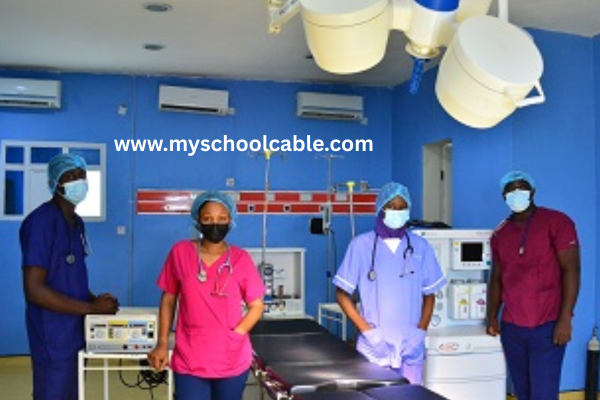
    Top Nursing schools in Nigeria

    Nursing Schools in Nigeria

    Have you always wanted to become a nurse and dedicate yourself to serving your community? Are you also seeking direction to a fulfilling career path in healthcare, but you are not sure of the best nursing schools to apply for, their requirements, and the best options for you? If this is so, then you are never alone. 

    Nursing schools in Nigeria require detailed attention because numerous institutions maintain separate entry standards and educational packages. This article  contains all the necessary information about the top nursing schools in Nigeria, their requirements, application form, and how to apply

    This article examines the Nursing and Midwifery Council of Nigeria’s responsibilities while discussing different nursing schools in Nigeria, along with their costs and admission guidelines that do not require JAMB, and clarifies application procedures. After reading this guide, you will gather enough knowledge to decide properly about your nursing school educational path. Let’s explore the professionally accredited body for nursing school students in Nigeria.

    There is a leading professional body in Nigeria that regulates and maintains authority over nursing schools in Nigeria, alongside midwifery registration and licensing, and professional examination, conduct, and standards for all nursing and midwifery professionals, and that body is known as the National Midwifery Council of Nigeria(NMCN).

    The NMCN started through a governmental decree in 1979, yet recent compliance prevents it from the Nursing and Midwifery (Registration, etc) Act, Cap. N143, Laws of the Federation of Nigeria, 2004. The Council receives its authority as a Federal Ministry of Health parastatal to establish and defend nursing and midwifery professional standards, along with discipline enforcement responsibilities

    Read More – Medical Schools In Nigeria

    Table of Contents

    School of Nursing in Nigeria Without JAMB

    Nigeria has more than a hundred nursing institutions that do not depend on JAMB requirements for enrolling students. You must consult official websites, together with school sites, to access updates on their admission procedures. 

    The registration process for Nigerian nursing schools does not involve the Joint Admissions and Matriculation Board (JAMB) examination. The nursing programs in both state-run institutions and private colleges admit students independently from JAMB using school-administered examinations and personal interviews. Candidates who either failed the UTME or need swift entry into nursing find relief since nursing schools do not require JAMB.

    Nursing Schools in Nigeria Without JAMB

    The following Nigerian nursing institutions can grant admission to students without requiring JAMB entrance exams:

    • Ahmadu Bello University Teaching Hospital School of Nursing
    • Mercy College of Nursing, Iwo, Osun State
    • Ebonyi State College of Nursing, Uburu
    • Anambra State Millennium College of Nursing
    • School of Nursing in Ogbomoso, Oyo
    • Unity College of Nursing Science, Bwari, Abuja
    • Ibadan College of Nursing
    • College of Nursing Sciences, Maiduguri
    • College of Nursing Science, Orlu
    • School of Nursing in Asaba
    • School of Nursing and Midwifery in Benue State
    • School of Nursing in Kano
    • School of Nursing in Ilorin

    Keep reading to find out about other nursing schools in Nigeria that require JAMB

    Nursing Schools in Nigeria With JAMB

    Most nursing institutions provide direct entry training, but several trainees must appear for the JAMB UTME tests before being admitted. The academic institutions tend to maintain high admission standards while working under university or federal, or state hospital systems.

    The list of top nursing schools in Nigeria with their cut-off marks that also require writing of JAMB includes:

    School of NursingCut-Off Mark
    Royal College of Nursing Sciences, Ezzangbo150
    University of Nigeria Teaching Hospital, Enugu150
    Sacred Heart College of Nursing Sciences180
    College of Nursing Sciences, Katsina160
    School of Nursing, UBTH180
    Jigawa College of Nursing Sciences, Birnin160
    FCT College of Nursing Science180
    Ogun State College of Nursing Sciences180
    Lagos State College of Nursing, Igando (LASCON)
    200
    School of Nursing, Wesley Guilds Hospital, OAUTHC, Ilesa180
    UCH School of Nursing, Ibadan (Degree Awarding)120
    Nigeria Army College of Nursing and Midwifery in Yaba, Lagos120
    School of Nursing, University of Benin Teaching Hospital in Benin180

    Admission to these institutions happens through achieving the highest admission threshold in UTME, ranging from 150 to 200 based on the school.

    The following section examines the fees students must pay at these nursing schools, together with their financial requirements.

    Nursing Schools in Nigeria and Their Fees

    The fees for nursing education at Nigerian institutions differ between schools based on their geographic location and their federal or state or private ownership status, and their educational facilities.

    The table below is the tuition fee scale for some fundamental nursing institutions.

    School NameTuition Fee Range (₦)
    College of Nursing, Obangede150,000 – 200,000
    ECWA School of Nursing, Egbe154,000
    School of Nursing, Abeokuta50,000 – 65,000
    School of Nursing, Abia State University Teaching Hospital, Aba150,000 – 200,000
    School of Nursing, Akure195,000 – 255,000
    School of Nursing Amachara45,000
    School of Nursing, ATBUTH, Bauchi100,000 – 150,000

    The total payment for nursing education requires acceptance fees, together with accommodation fees and textbooks and uniforms, and additional miscellaneous expenses.

    The first requirement for college enrollment consists of minimum cut-off marks.

    Nursing Schools in Nigeria With Their Cut-Off Marks

    Nursing institutions that rely on JAMB require candidates to pass their specified cut-off points before admitting them. The cut-off marks for nursing programs at JAMB-approved institutions fall between 180 and 200, although individual institutions might adjust their marks according to their needs.

    The following table demonstrates the specific admission criteria known as cut-off marks, which different universities employ:

    UniversityJAMB Cut-Off Mark
    Ahmadu Bello University200
    University of Benin200
    University of Lagos200
    Delta State University180
    Obafemi Awolowo University200
    University of Nigeria200
    University of Ilorin200
    University of Calabar180
    Ambrose Alli University180

    Students must consult official school portals because they hold the latest updates on form sales, together with deadline information.

    The first region under analysis will be Ogun State for nursing schools.

    Nursing Schools in Ogun State

    The educational institutions of nursing in Ogun State include public and private institutions. The Ogun State College of Nursing Sciences operates three branches located at Abeokuta, Ijebu-Ode, and Ilaro.

    Ogun State College of Nursing Sciences, Abeokuta

    • Requires JAMB
    • Tuition fee is ₦50,000 – ₦65,000
    • Application fee is ₦20,700
    • Cut-off mark is 180

    Other private colleges and health technology institutions in Ogun State also offer nursing programs. Prospective students should check for accreditation validations before applying.

    Students who live in Abuja can access quality nursing education facilities in the city.

    Nursing Schools in Abuja

    Multiple recognized nursing institutions operate in Abuja, being the Federal Capital Territory, including:

    Unity College of Nursing Science, Bwari

    • Does not require JAMB

    FCT College of Nursing Science, Gwagwalada

    • Requires JAMB
    • Cut-off mark: 180
    • Application fee: ₦2,200

    The educational standards combined with contemporary facilities make these establishments draw nursing aspirants across all regions of Nigeria.

    In addition to the numerous nursing academic centers in Abuja, Delta State operates multiple nursing education facilities.

    Nursing Schools in Delta State

    The educational institutions in Delta State offer different nursing programs at respected facilities.

    Delta State College of Nursing Sciences

    • Selling forms: Yes (₦15,000)
    • Cut-off mark: Varies

    School of Nursing, Asaba

    Does it not require JAMB?

    • The Nigerian Nursing and Midwifery Council has approved these schools to deliver high-quality nursing education. The commercial hub of Nigeria, named Lagos, holds its position after Delta State in our examination.

    Nursing Schools in Lagos

    Lagos presents students with numerous nursing educational institutions that consist of both public and private sectors:

    Lagos State College of Nursing, Igando (LASCON)

    • Requires JAMB
    • Cut-off mark: 200
    • Tuition: ₦200,000+
    • Application fee: ₦20,000

    Nigeria Army College of Nursing and Midwifery, Yaba

    • Requires JAMB
    • Cut-off mark: 160

    Nursing education in Lagos is available through both private colleges as well as health technology institutions that teach nursing programs. Check the accreditation status and current admission standards before submitting any application.

    Top Lists of Nursing Schools in Nigeria

    Nigeria has a large network of nursing schools that are accredited, and they include:

    • University-affiliated nursing faculties
    • State colleges of nursing
    • Federal and state teaching hospital schools of nursing
    • Private nursing schools in Nigeria

    A few notable examples include:

    • UNN Teaching Hospital in Enugu
    • University of Benin Teaching Hospital in Benin
    • University of Ilorin Teaching Hospital in Ilorin
    • Ebonyi State College of Nursing Sciences
    • State College of Nursing Sciences, Ogun State
    • College of Nursing, Igando, Lagos
    • College of Nursing Sciences, Delta

    For a concise and more updated list, check the Nursing and Midwifery Council of Nigeria’s website or the latest publications from the Federal Ministry of Health.

    Next, let’s discuss how to get and fill out the application forms.

    Application Form

    The application forms for nursing schools in Nigeria are usually found online via the schools’ official websites, or you can submit your application in person at the school’s admission office. The application process involves:

    • Creating an account on the school’s portal
    • Filling out personal and academic details
    • The next thing is to upload the required documents, such as (e.g., WAEC/NECO results, birth certificate, passport photograph)
    • The application fee is (₦2,000 – ₦20,000)
    • Applying and printing the confirmation slip

    Application periods and deadlines vary, so always check the specific school’s portal for current details.

    Let’s look at how to access these portals.

    Application Portal

    Most nursing schools now operate dedicated online application portals. These portals allow you to:

    • Register and create a profile
    • Fill out and submit your application form
    • Pay application fees securely online
    • Receive updates on your application status
    • Download examination slips and admission letters
    • Examples of such portals include those for Lagos State College of Nursing, Ogun State College of Nursing Sciences, and the University of Nigeria Teaching Hospital. Always use only the official school website to avoid a scam
    • Confirm you fulfill all admission requirements before making your application.
    Requirements

    The entry requirements to Nigerian nursing schools typically require the following elements:

    • Applicants need to obtain five WAEC/NECO/NABTEB credits, including English Language, Mathematics, Biology, Chemistry, Physic,s which they should earn from no more than two examination attempts.
    • Young applicants need to be 16 years old or above to qualify for admission.
    • Birth certificate or age declaration
    • Local government/state of origin certificate
    • Recent passport photographs
    • Some schools might require candidates to take JAMB, and candidates must have their minimum required score for UTME for admission.

    * *The educational institutions reserve the right to perform additional admission tests and interview candidates.

    The application procedure begins as follows.

    How to Apply

    To enroll in nursing school in Nigeria, students should follow this procedure.

    • Your first step should be to study accredited nursing institutions that match your needs, together with their admission policies.
    • Student candidates must check the admission timetable by visiting the official school website and the admission offices.
    • An academic certificate, alongside a birth certificate and passport photos, together withthe  required documentation, needs to be collected beforehand.
    • Students must finish their application form by entering the correct data using either online or in-person channels.
    • Students need to complete their payment of the application fee through the available channels, which include bank deposits or digital payments, or Point of Sale options at the educational institution.
    • The submission process requires uploading every needed file together with the printing of an official acknowledgement document.
    • School entrance applicants should study the necessary subjects alongside preparing themselves for school admission tests and interviews when needed.
    • Students must keep a watchful eye on both school websites and physical notice boards to track their admission standing.

    Your application’s success depends on proper completion of procedures according to the steps outlined below.

    Successful Tips

    The following approach will help you succeed in obtaining admission to nursing schools throughout Nigeria:

    • Beginning your application before the deadline reduces both panic and mistakes.
    • You should verify that your O-level result includes the necessary science subjects with minimum passing grades.
    • Your goal should be to score higher than the minimum cut-off marks for JAMB examinations if you need to take them.
    • Thoroughly prepare for entrance examinations and interview tests by doing question reviews along with repetitive practice.
    • All important documents should be properly organized and easy to access.
    • Regularly check your academic portal, email for notifications containing further instructions.
    • Contact present students and former students who attend the school you want to enroll in.

    These guidelines put you in the right position to achieve nursing student success in Nigeria.

    Frequently Asked Questions FAQs

    Which School is best for nursing in Nigeria?

    The top nursing educational institutions in Nigeria include of University of Nigeria Teaching Hospital, together with Lthe agos State College of Nursing as well as University of Benin Teaching Hospital, and the Ogun State College of Nursing Sciences. A school selection should match your location requirements, including budget constraints and professional objectives.

    Which School of nursing schools in Nigeria do not require JAMB?

    Multiple nursing education institutions throughout Nigeria do not require applicants to take the JAMB admission test. The list includes Ibadan College of Nursing alongside College of Nursing Sciences, Maiduguri, and Mercy College of Nursing, Iwo, Osun State.

    Does the School of Nursing require JAMB?

    JAMB entry is not compulsory during the admission process for nursing school programs. The admission process for both nursing school and university-affiliated institutions differs, as O-level results combined with entrance tests serve for non-university schools, but JAMB admission is mandatory for university programs with specific cut-off scores.

    How many years is nursing School in Nigeria?

    The study duration at Nigerian nursing institutions spans three to four academic years based on the selected program and educational establishment.

    Conclusion

    The selection of an appropriate nursing school in Nigeria establishes a foundation for a satisfying healthcare profession. Students searching for JAMB-requirement nursing colleges or direct-entry institutions have various approved educational centers to select from based on their requirements and available choices. Success depends on verifying accreditation status as well as reviewing requirements while making early applications for the best opportunity to succeed.

    Have you made your decision to launch your nursing education? Applicants should research their preferred nursing school, then collect their documents before filing their application. To stay updated on the latest news and get notified about nursing schools in Nigeria that are currently selling forms, visit myschoolcable.The starting point of your healthcare career exists today.

    APPLY

    Related Article

    How To Apply For Student Loan In Nigeria

    Top 20 Best Art Courses in Nigeria

  • Top 20 Best Art Courses in Nigeria

    Top 20 Best Art Courses in Nigeria

    Are you an aspiring student in art and wondering which art courses are best for you that will eventually help you launch your career fully in art and achieve your dreams?

    Apparently, current art students who aspire to career success need to understand which educational programs will help them achieve their goals. This article provides a list of universities that accept low cut-off scores for students studying art courses and also contains all necessary information along with answers that will help you make well-informed academic choices about the top 20 best art courses you can study in Universities in Nigeria.

    Albeit, let’s begin by showing you a list of the highest-paid art courses in Nigeria and their cutoff points in the topic below.

    Read More – How to Pass Your JAMB Exam in 2025: A Step-by-Step Guide

    Top 20 Best Art Courses

    Find the list of top best art courses in Nigeria that students are actively pursuing:

    Law
    The program dedicates its attention to understanding legal frameworks as well as constitutional responsibilities and judicial execution methods.

    • Law career paths include positions of legal practitioner and corporate lawyer along with judge.
      Cutoff point – 260 and above.

    Mass Communication

    • The major areas of study include media and journalism together with public relations and broadcasting. Career Opportunities: Journalist, broadcaster, media consultant.
      Cutoff point – 220 and above.

    English and Literary Studies

    • Focus Point: Literature, linguistics, creative writing.
      Career Opportunities: Writer, editor, communications expert.
      Cutoff point – 220 and above.

    International Relations
    The major areas in this field include diplomatic functions and international policy-making alongside international trade operations.

    • Career Opportunities: Diplomat, NGO worker, foreign affairs analyst.
      Cutoff point – 200 and above.

    Theatre Arts

    • Focus point: Acting, directing, stage production.
      Career path: Actor, playwright, film director.
      Cutoff point – 220 and above.

    Political Science

    The subject matter includes Governance together with political theories and public policy.

    • Career Path: Politician, policy analyst, civil servant.
    • Cutoff point – 200 and above

    Linguistics

    • Focus point: Language structure, phonetics, semantics.
    • Career path: Translator, interpreter, language consultant.
    • Cutoff point – 230 and above

    Fine & Applied Arts

    • Focus point: Painting, sculptures, drawing.
    • Career path: Visual artist, illustrator, graphic designer.
    • Cutoff point – 220 and above

    Music

    • Focus point: Composition, performance arts.
    • Career path: Composer, performer, music educator.
    • Cutoff point – 200 and above.

    Graphic Designing

    • Physical and virtual convergence using technology produces visible artistic content.

    Fashion Designing

    This field develops trendy outfits together with original accessories.

    • History and International Studies
    • Philosophy
    • Creative Writing
    • Media Studies
    • Photography
    • Film Production
    • Cultural Studies
    • Visual Communication Design
    • Art History

    Universities Accepting Low Cut-Off Marks (140-180)

    The following universities listed here welcome applicants who achieved the required JAMB scores ranging from 140 to 180 points to apply for the top best art courses mentioned in this article.

    • Musa Yar’Adua University
    • Prince Abubakar Audu University
    • Ebonyi State University
    • Fountain University
    • Ekiti State University
    • Federal University Otuoke
    • Federal University Gashua

    Eligibility and Requirements for Top Best Art Courses

    These universities above together with polytechnics in Nigeria provide opportunities for students to take art courses but applicants must adhere to the following eligibility criteria:

    • Candidates must obtain five (5) SSC credits in English Language and relevant subjects from the same exam session.
    • A minimum JAMB score of 140 for certain institutions.
    • Students need to accomplish Advanced Level certification in Arts subjects before entering the higher educational level.
    • For higher level admissions ND or HND holders can perform direct entry depending on their grades.

    How to Apply for the Top Best Art Courses

    • All candidates need to enroll in the UTME examination to select their target institution and course choices.
    • Your university or course application will be successful only if you fulfill the established minimum entrance criteria.
    • The necessary educational paperwork should include both your O’Level results with your identification cards.
    • Keep to the admission procedures which each institution specifies.
    Successful Tips To Choose The Best Art Courses in Nigeria

    Selecting the ideal art course in Nigeria should consider three main aspects that involve your passion areas along with future occupations and industry prospects. The following guidelines will help you develop a well-informed decision-making process as follows:

    1. Identify Your Passion
    The academic experience becomes more rewarding when you pursue education in subjects you love because your interest enhances your motivation levels. Run an evaluation of your favorite activities during free hours. Whatever interests you the most determines whether you excel at creativity analysis or communication skills. Your interests should match the art courses that are available for study.

    2. Research Job Prospects
    Understanding the job marketplace equips students to select programs that lead to promising employment options. To qualify, consider enrolling in Mass Communication, Law or International Relations because these subjects lead to many employment opportunities and demonstrate strong market value.

    3. Consider University Reputation
    University reputation becomes vital because it determines both your professional opportunities together with the resources you obtain to pursue your career. To apply successfully you should study art disciplines at accredited institutions including both Mass Communication at the University of Lagos and Law at the University of Ibadan.

    4. Look at Industry Trends
    Upcoming business markets establish fresh employment positions because they matter to the future job market. Select classes that involve digital media combined with law and international relations since these industries are expanding.

    5. Evaluate Career Flexibility
    Logically Art courses provide multiple professional options to their students. Courses that enable students to move between different professions such as journalism to business should be selected.

    6. Assess Personal Growth Opportunities
    The development of your skills through growth will improve your potential career opportunities. Students should select educational programs featuring self-expression and creativity which include Fine & Applied Arts and Theatre Arts..

    7. Consider Financial Aspects
    The value of specific art subjects differs when it comes to financial opportunities. You should research the monetary benefits that each course offers. Law and Mass Communication classes tend to generate high returns for students.

    8. Seek Advice
    Concurrently, professionals together with mentors deliver important information that leads to useful direction. Students should get advice from career advisors or practicing experts from their desired professional fields to understand the practical realities of individual courses in their case.

    ** Following this advice allows you to choose the appropriate art course that matches your needs in Nigeria.

    Frequently Asked Questions  About Best Art Courses in Nigeria

    What are the best art courses to study?

    Law together with Mass Communication and Fine & Applied Arts prove to be top choices because of their promising career prospects.

    What are 10 careers in the best art courses?

    • Graphic Designer
    • Illustrator
    • Lawyer (Law)
    • Journalist (Mass Communication)
    • Diplomat (International Relations)
    • Actor (Theatre Arts)
    • Translator (Linguistics)
    • Visual Artist (Fine Arts)
    • Musician (Music)
    • Fashion Designer.

    What are the top 10 professional courses in Nigeria?

    Both Law and Mass Communication and International Relations maintain their status as elite professional courses in Nigeria.

    Which arts degree is the best?
    Basically, students should choose their fields of study based on personal interests because Law together with Fine & Applied Arts provide promising financial opportunities.

    Conclusion

    However, students need to select a suitable art course as their first step toward fulfilling careers both in creative industries and academic spheres. Everyone will find a suitable option in Law as a high-paying career alongside Fine Arts and Theatre Arts for creative expression.

    Ready to kickstart your academic journey? You can gain access to our top 20 best art courses free PDF guide  by downloading . Review admission guidelines while learning strategies to obtain enrolment in prestigious Nigerian higher education institutions. and stay updated to the latest information about institutions with top best art courses in Nigeria myschoolcable

    Related Articles

    How To Apply For Students Loan In Nigeria

    Nursing School In Nigeria